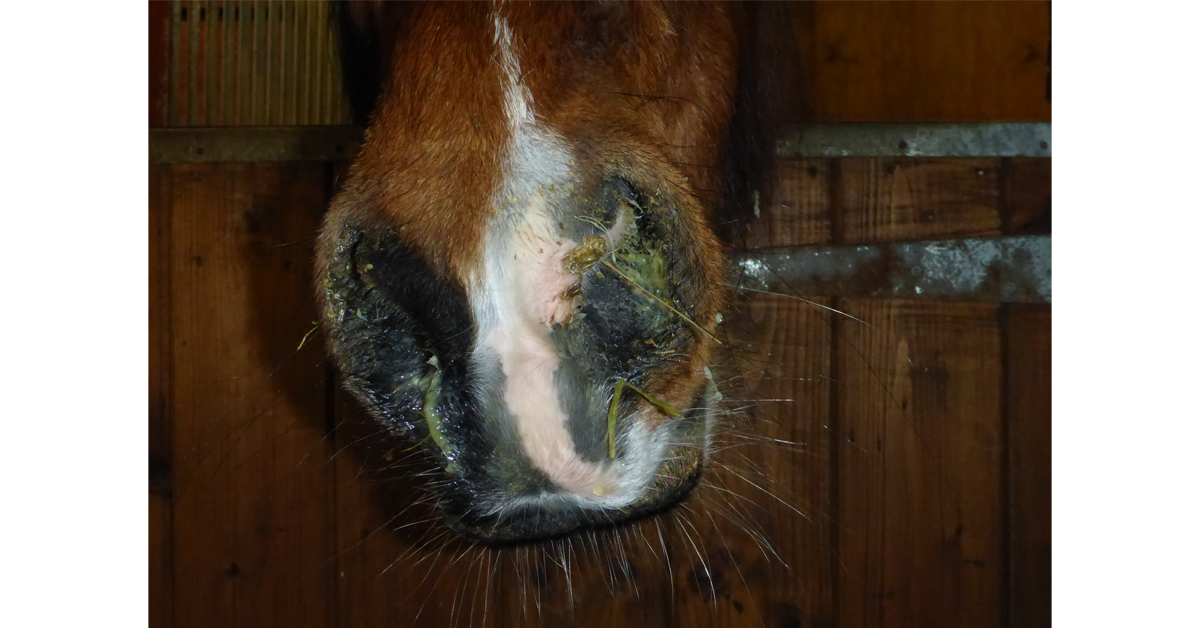
Strangles is an equine respiratory infection caused by the bacteria Streptococcus equi. Signs might include fever, dullness and lethargy, swollen lymph nodes around the head, reluctance to eat, and thick nasal discharge. Strangles bacteria have a preference for establishing in the lymph nodes around the head, which can develop into large abscesses that produce thick, infectious pus when they burst.
However, not all infected horses present with obvious signs of ill health. Some might only develop mild fever, a slightly snotty nose, and a day or two of being off-colour. Although these horses are less sick, they still have the potential to infect other horses that might become much more unwell.
Strangles is highly infectious, and some horses can become seriously ill. In severe cases swelling of the lymph node around the throat can block the airway (hence the name of the disease), prompting the need for emergency veterinary treatment. Although most infected horses will make a full recovery, strangles can lead to serious complications and is fatal in up to 10% of cases.
How Susceptible Are Older Horses?
Strangles can be an unpredictable condition. Even the fittest, healthiest horse on the yard can be the most unwell during an outbreak, and any horse is at risk.
Youngsters can be especially vulnerable to strangles because their naïve immune systems have a steeper hill to climb when responding to infection.
Older horses are more likely to have had some exposure to strangles in their lifetime, which can help some respond more quickly to a repeat infection. However, previous bouts of strangles do not provide ongoing immunity. Any potential benefit from previous exposure is likely to be offset by a less robust immune system. Horses living with chronic health conditions might also find fighting infection more challenging, particularly conditions affecting the respiratory and/or immune systems, such as equine asthma or pituitary pars intermedia dysfunction (PPID).
How Does Strangles Spread?
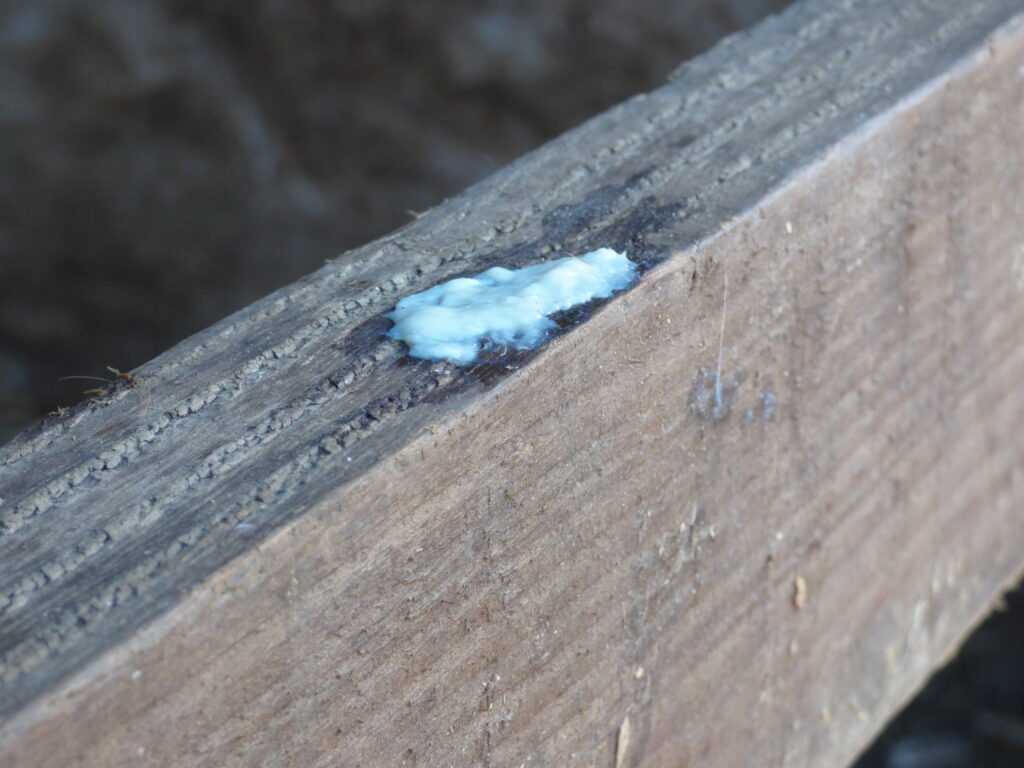
Although strangles is not an airborne disease, it can spread incredibly quickly through direct contact between horses and indirect contact such as shared surfaces, equipment and water tanks, and people’s hands and clothing.
Strangles bacteria can survive outside the horse’s body, though longevity depends on the environment. Strep. equi prefers cool, damp environments. One study found it could survive on a boot sole in winter for up to three weeks and in a damp bucket for over four weeks. Even in the dry heat of summer, the bacteria might survive for several days, emphasising the importance of good hygiene and biosecurity.
A key feature that supports the continued widespread circulation of strangles is that infected horses can appear to be perfectly healthy. There are three stages of infection when strangles can most easily be hiding in plain sight:
- Newly infected horses may take up to three weeks to become noticeably unwell but can start shedding bacteria not long after the infection takes hold. However, they usually develop fever as the first sign of infection, which is likely to occur before they become contagious to other horses. Routine temperature checking is invaluable for spotting and containing early infection before it spreads.
- Recently recovered horses are likely to remain infectious for an extended period after signs of disease have resolved, sometimes for several weeks and potentially months. Testing all horses on a yard at the end of an outbreak is key to ensuring horses aren’t released from quarantine while they are still infectious.
- Strangles carriers have recovered from the disease but still have bacteria living within their guttural pouches (part of their respiratory system), usually in balls of dried pus (known as chondroids) formed during a previous strangles infection. Guttural pouch endoscopy (scoping) can identify and treat strangles carriers to clear the horse of infection. Even better, scoping at the end of an outbreak can prevent horses from becoming carriers in the first place.
Is There a Strangles Vaccine?
Strangvac, the current vaccine available in the UK and much of Europe, takes an innovative approach and differs considerably from previous strangles vaccines. In countries where Strangvac is not available, owners must follow specific advice from their veterinarians regarding how to use the strangles vaccines that are available to them, because products can work in very different ways.
With Strangvac, veterinarians administer two primary injections into the horse’s muscle at four-week intervals, followed by a regular booster. Research has shown that an annual booster provides adequate immunity for many horses, with biannual boosters suggested for those at higher risk, such as horses that regularly attend equestrian events.
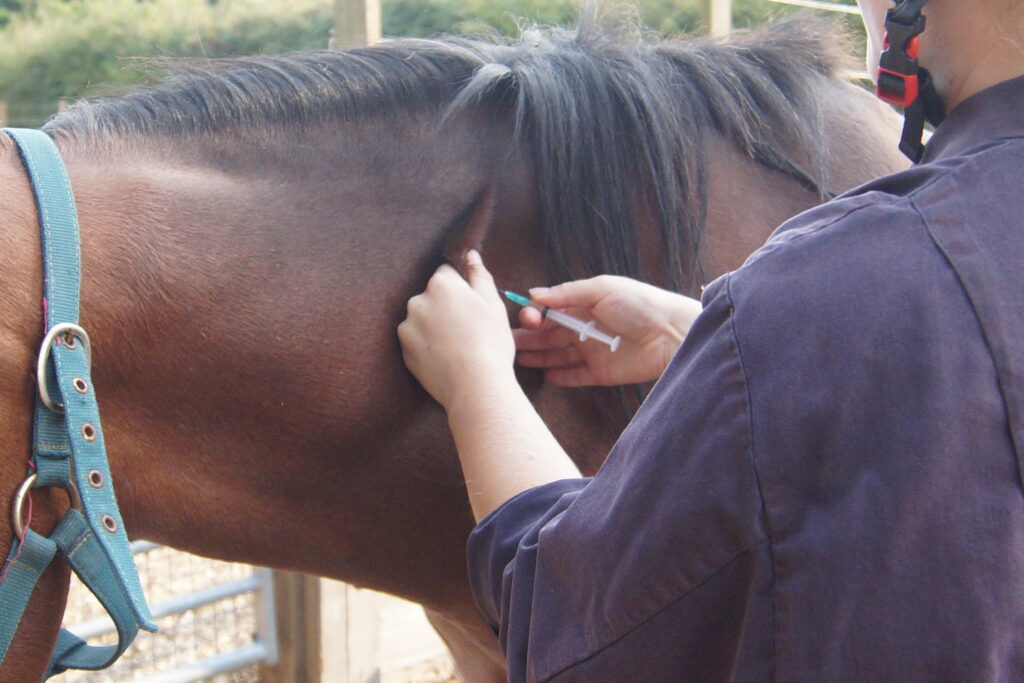
The vaccine is not “live” so cannot cause infection and doesn’t affect the accuracy of strangles blood results, which supports the use of the tests as part of outbreak management or when moving horses to a new yard.
Clinical trials and field data support the vaccine’s safety and effectiveness. When 17 horses on a yard in Sweden were vaccinated after three horses on the property tested positive for strangles, none of the 17 showed any signs of ill health, even though two of the infected horses became so ill they had to be euthanised. In another case study, three of 17 newly vaccinated horses developed mild, short-lived signs of infection after disease was identified on their yard, but only one tested positive for strangles, and no signs were seen in any horse following the second dose of the primary course.
Side effects are common with any vaccination and should not be a cause for concern in most cases. A mild fever, slight swelling at the injection site, and some stiffness and discomfort around the area are the most common but likely to resolve within one to two days. Avoid injecting the pectoral muscles, which are associated with a higher number of adverse reaction reports.
Strangvac is not yet authorized by the USDA for sale or distribution in the U.S., but the process for USDA approval is ongoing.
How Do I Protect My Horse From Strangles?
Any horse can get strangles, but we can all take steps to reduce the risk. Even horses that don’t venture far from home can still be exposed through indirect contact from people, equipment, or vehicles that have been in contact with other horses. And horses might need to travel unexpectedly for veterinary procedures or temporary accommodation.
The Strangles Awareness Week campaign promotes the BEST steps to prevent the spread of strangles:
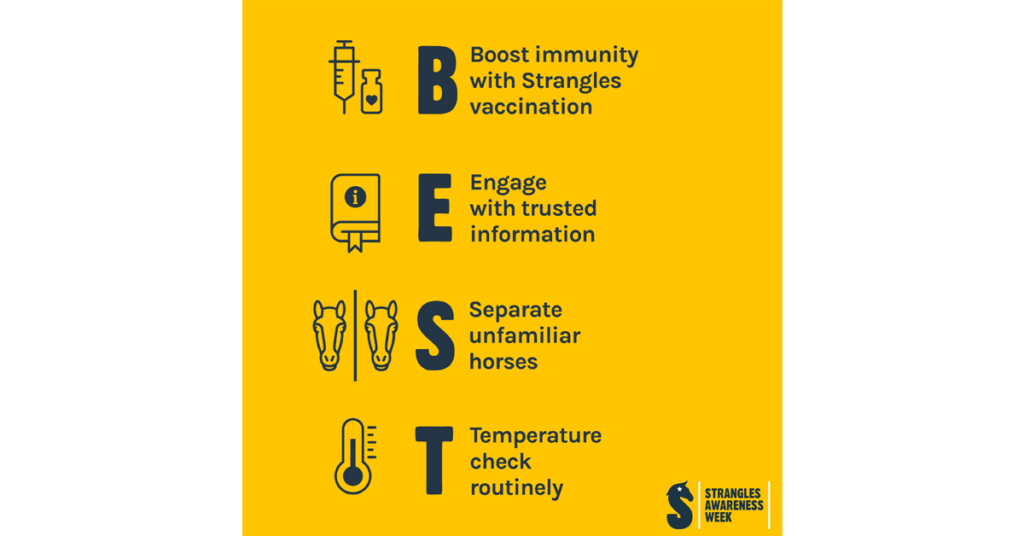
The BEST steps are practical, proactive, and cost-effective measures that can be built into horse care routines and activities, enabling equestrians to feel more confident whether they’re out and about or enjoying time with their horse at the yard.
To learn more and get involved with Strangles Awareness Week 2026, simply join the SAW mailing list, follow SAW on Facebook, Instagram, TikTok, or LinkedIn, and discover short films and animations on YouTube.
Related Reading
- Horse Fever and Normal Temperatures
- Biosecurity Planning for Equestrian Events
- Detecting Equine Respiratory Pathogens in Healthy Performance Horses
Sign up for My Senior Horse’s FREE newsletter to get the latest information about equids 15 years and older delivered straight to your inbox!