FEATURED CONTENT
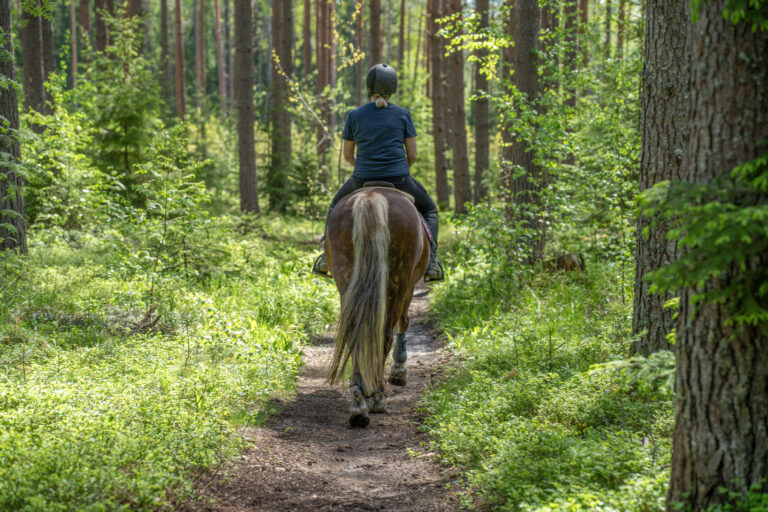
Signs of discomfort or reduced exercise capacity could indicate that your senior horse is ready to retire.
Read More →
Recent Content
Paying attention to clinical signs and hormone levels is key to monitoring a horse diagnosed with PPID and taking steps to manage the disease.
No posts found
Understanding how mitochondria change with age could eventually help veterinarians better prevent, manage, and treat age-related health problems in senior horses.
No posts found
Learn about feeding senior horses in Spain and globally with equine nutritionist Coby Bolger.
No posts found
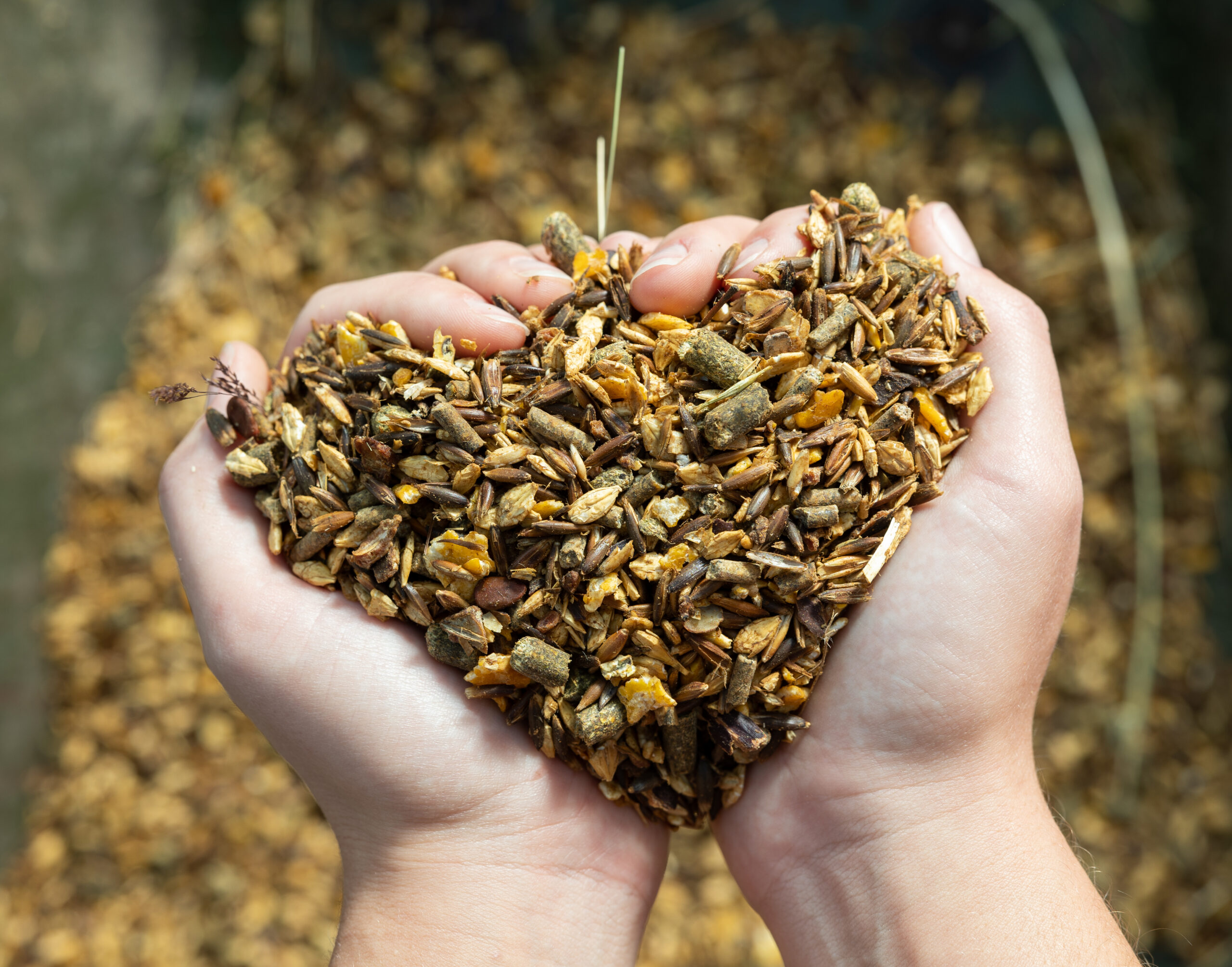
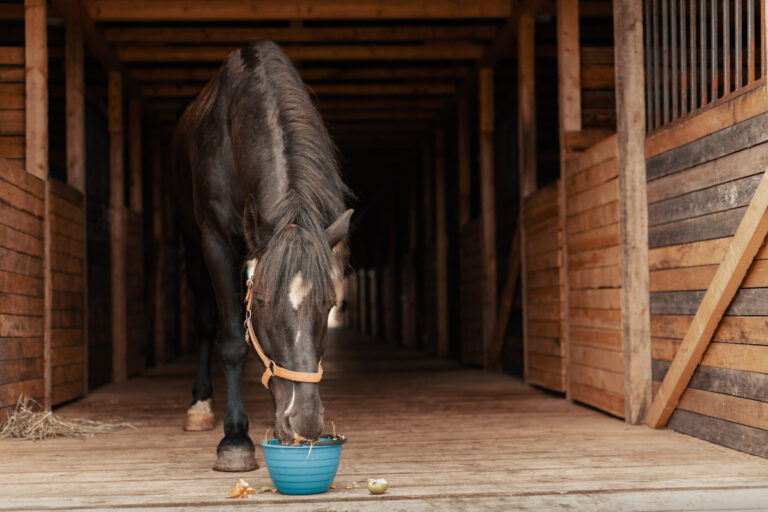
The best methods for increasing a hard keeper’s caloric intake are through increased forage, fiber, or fat.
No posts found
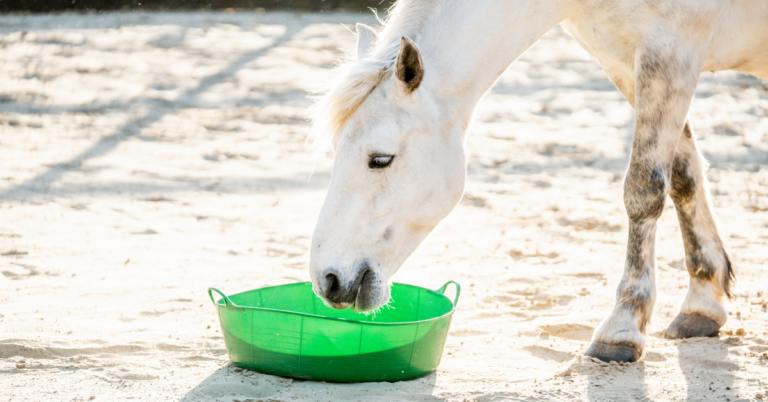
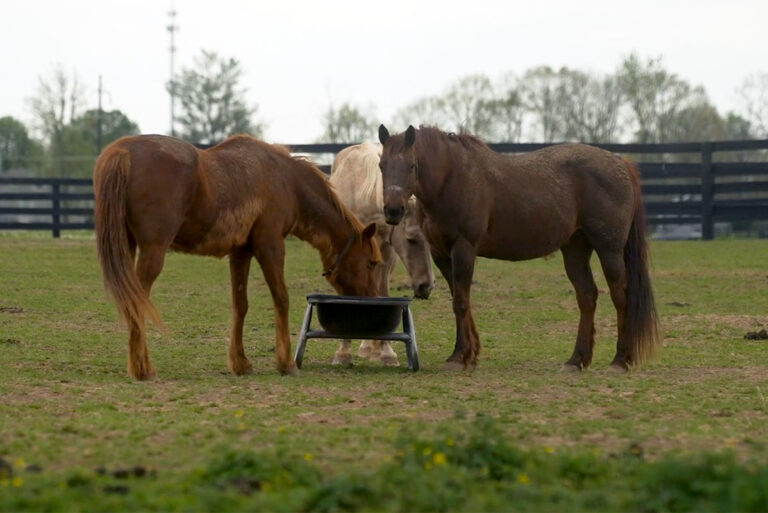
An overview of common types of horse feed and how to choose the right one for your senior horse.
No posts found
FREE NEWSLETTER
Get the latest updates on senior horse care delivered right to your inbox.
READER FAVORITES
POLLS & QUIZZES
MY SENIOR HORSE PODCAST
My Senior Horse podcast will present new episodes every other week throughout the year. We’ll cover topics ranging from new senior horse research, to diseases and conditions that affect seniors, to management tips for senior horses, donkeys, and mules.
FUN STUFF
NEWSLETTER
Sign up here for the My Senior Horse Newsletter. Get updates and information to your inbox once a week.
"*" indicates required fields