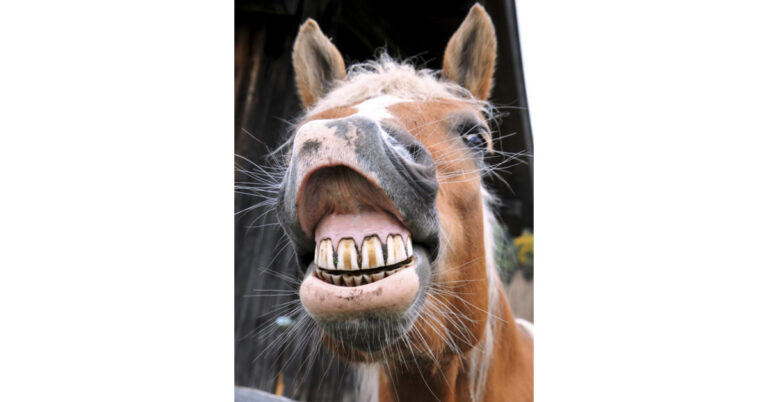
A new study found that cheek tooth removal in geriatric horses (20 years and older) was not associated with a higher rate of complications than in younger horses.
Researchers at the University of Kentucky looked at how horses with and without insulin dysregulation respond to meals of varying sizes and NSC percentages.
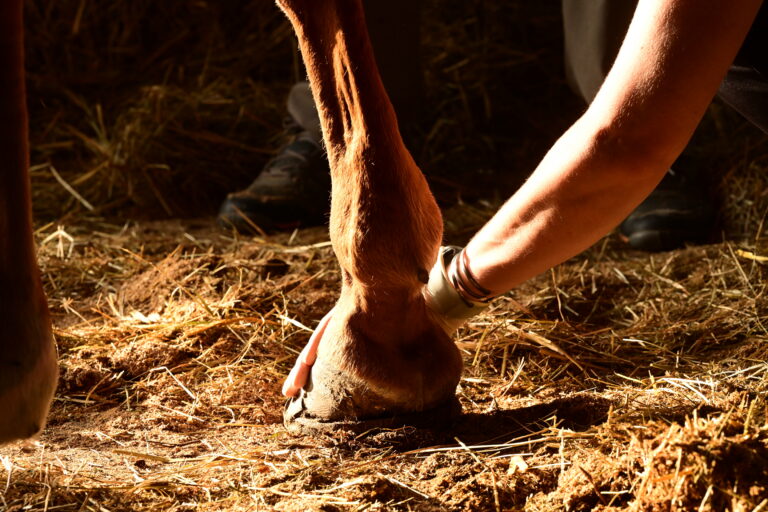
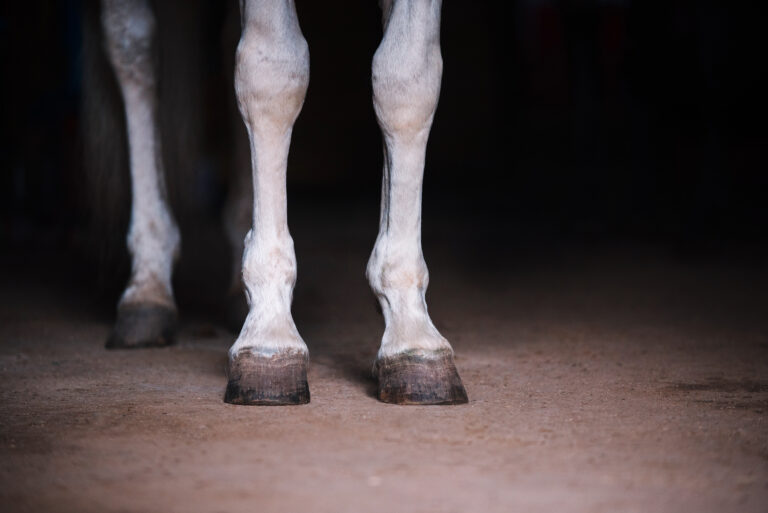
In this podcast episode, Dr. Andrew van Eps discusses the changes that occur in the hoof when a horse develops laminitis and describes some early clinical signs and risk factors.
University of Kentucky researchers provide key feeding and management strategies for easy-keeping horses that are at increased risk of insulin dysregulation and laminitis.
In a recent study, the SGLT2 inhibitor canagliflozin showed promise as an adjunct treatment for reducing hyperinsulinemia in horses with insulin dysregulation.
As horses age, dental disease and tooth wear can make extraction necessary. Dr. Jack Easley explains how veterinarians approach removal and what recovery and feeding look like afterward.
The ongoing New World screwworm outbreak poses a threat to horses in the U.S. and across Central and South America. Learn more about the outbreak’s current status and how to protect your horses.
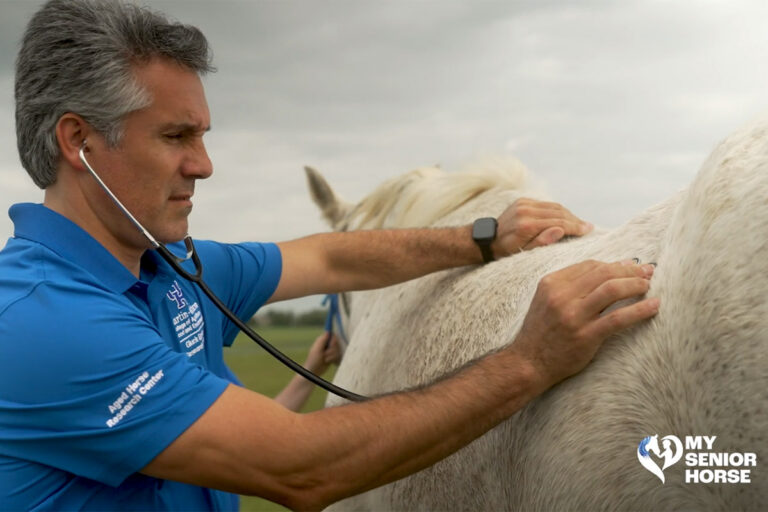
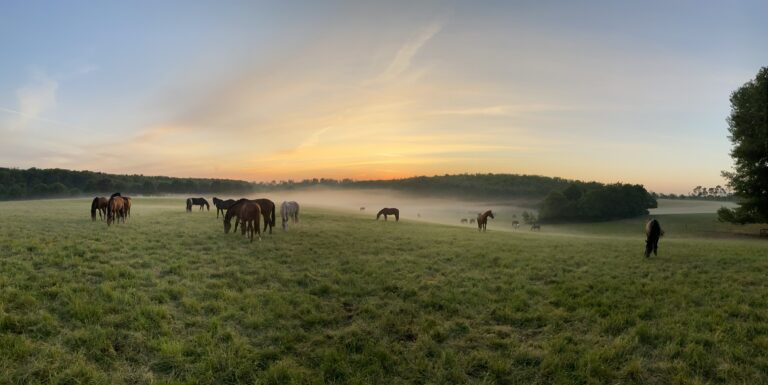
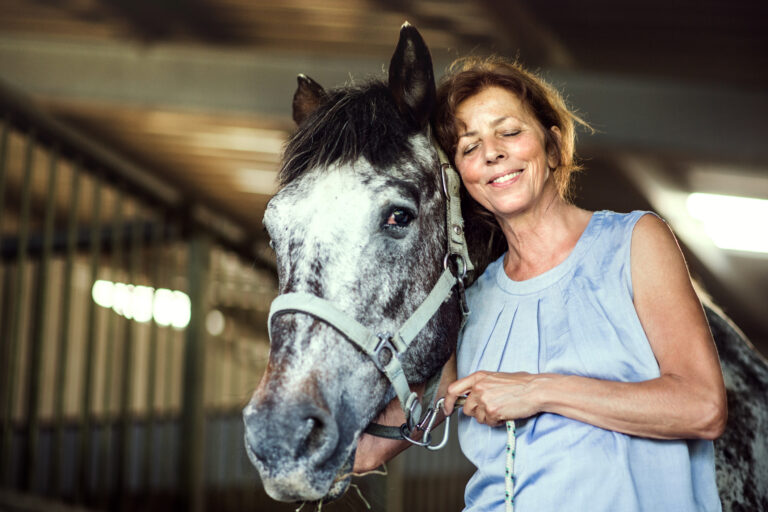
Learn about the daily care that goes into managing a herd of senior horses and common age-related conditions the team at the University of Kentucky's Aged Horse Research Program sees.
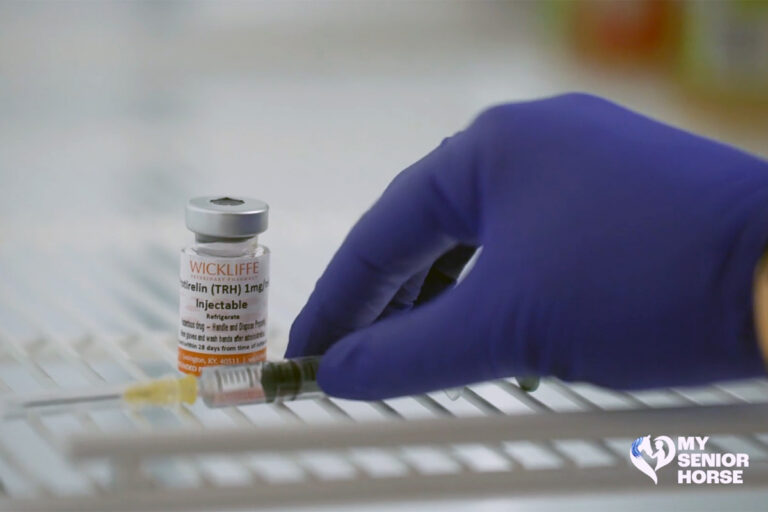
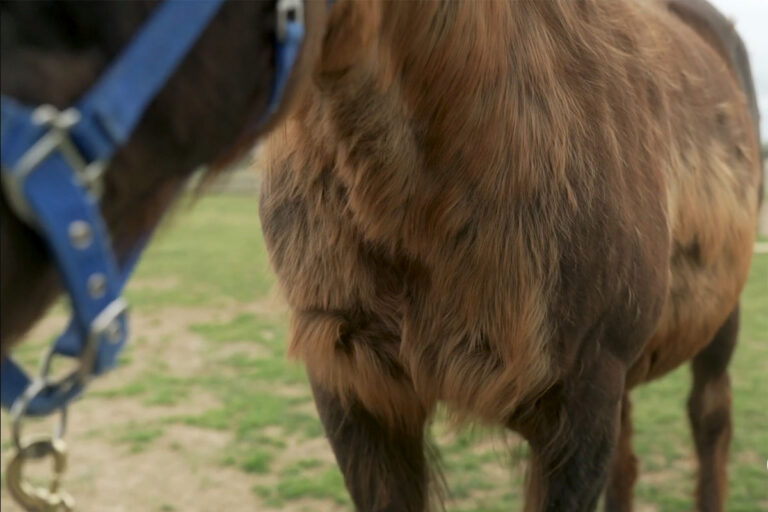
Up to 20% of horses aged 15 and older are affected by PPID, also known as equine Cushing’s disease. In this video, Dr. Cosette Faivre shares more information about this common endocrine disorder.