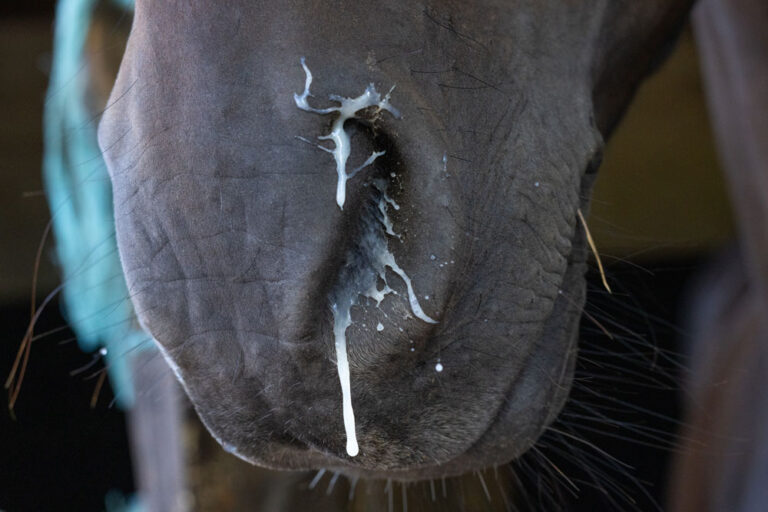
Systemic inflammatory response syndrome (SIRS) is a complex, pro-inflammatory immune response in humans and horses.1 It often occurs in horses after an infectious or non-infectious problem and can lead to multiple organ dysfunction. Common causes of SIRS in horses include gastrointestinal (GI) disease (e.g., colic or colitis), respiratory disease (e.g., pleuropneumonia), or septic metritis.
Researchers developed a SIRS scoring system for horses that included four criteria adapted from human SIRS scoring. They assigned points for specific physiologic readings. One point was given for heart rate (greater than 52 beats per minute or bpm), respiratory rate (greater than 20 bpm), rectal temperature (greater than 38.57°C or 98.6°F or lower than 37°C), and white blood cell count (greater than 12.5 or less than 5 × 10⁹/L). Horses with SIRS scores of 3–4 out of 4 (severe SIRS) had increased odds of death, according to researchers.
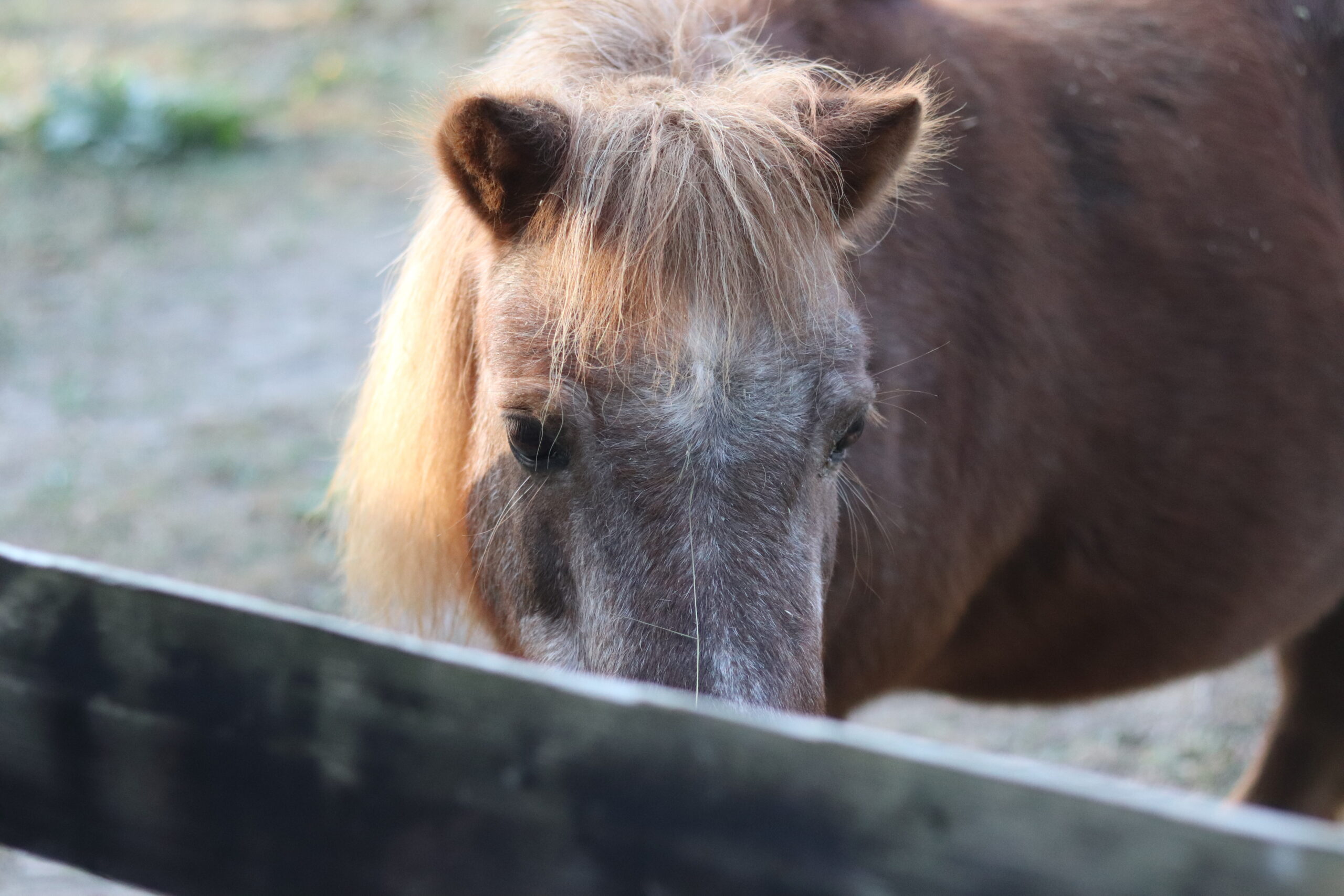
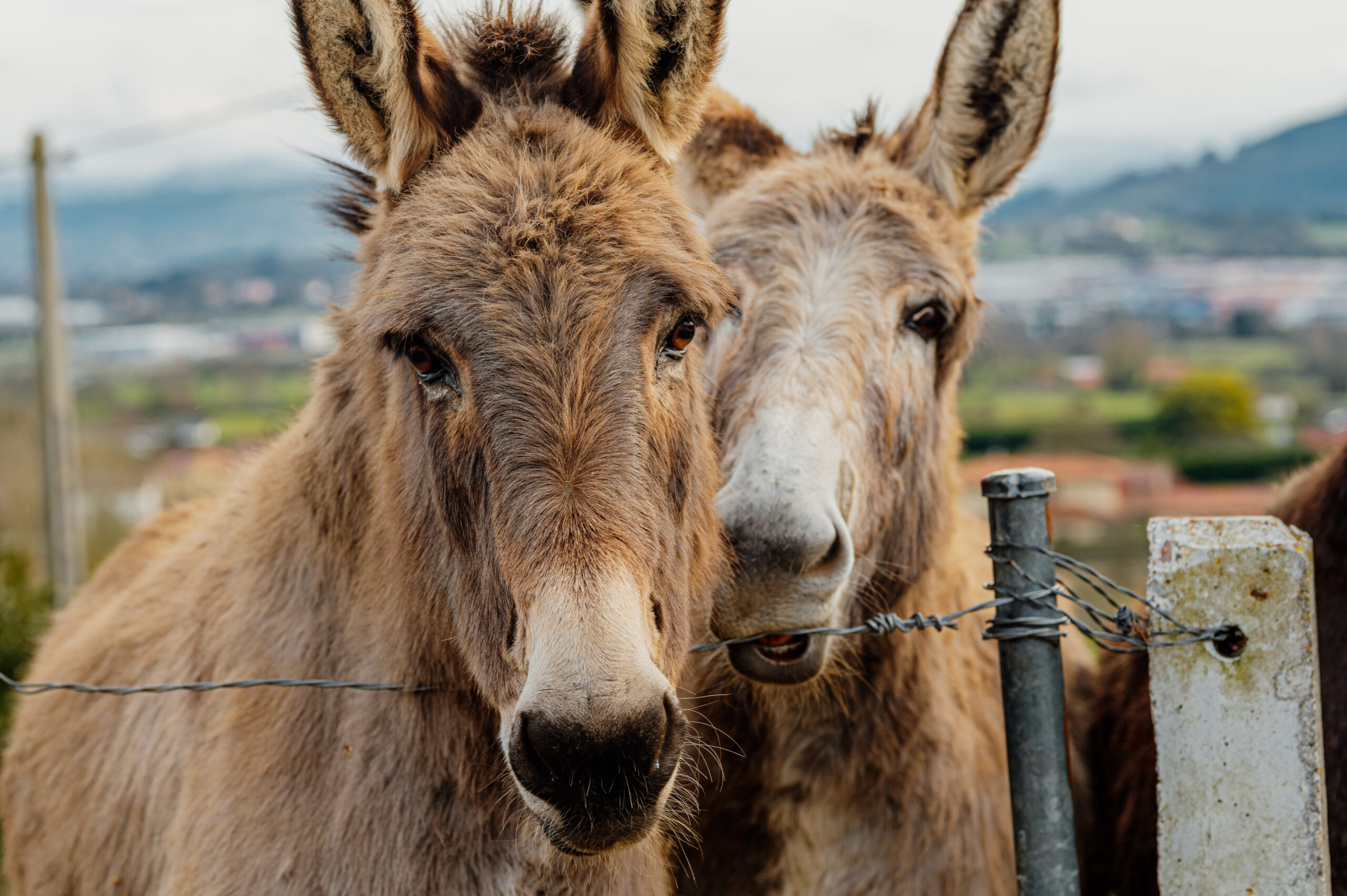
Expanding on this work, researchers wanted to know the SIRS frequency in donkeys with GI disease. They also wanted to develop a donkey-specific prognostic SIRS score.
About the Donkey SIRS Research
Researchers used clinical records from donkeys presenting with GI disease in two independent cohorts (400 from UK and 36 from Australia used for validation). The donkey-specific SIRS scores included five criteria, and these were different from the horse score: age, heart rate (greater than 56 bpm), white blood cell count (greater than 13.8 or less than 5 .2 × 109/L), triglycerides (greater than 2.8 mmol/L), and the ratio of packed cell volume to total protein (greater than 0.5725).
Researchers validated study findings from the first cohort of donkeys using a group of Australian donkeys. Using the donkey SIRS score (out of 6), they then created a traffic-light system to classify donkeys as having a low (score of 0 or 1), medium (score of 2), or high risk (score of 3 or more) of non-survival.
Elderly donkeys (older than 25 years) had nearly a five-times higher rate of death from SIRS. Middle-aged donkeys (16-25 years) had a 2.25-times higher rate of death. The overall fatality rate of SIRS in donkeys was 45.6%.
Take-Home Message
Gastrointestinal (GI) disease, respiratory disease, or septic metritis can lead to SIRS in horses and donkeys. Aged donkeys are at higher risk of death from SIRS than younger donkeys.
There now is a donkey-specific SIRS score to predict outcome in donkeys with GI disease. “This simple scoring system could help veterinarians treating donkeys with GI disease to quickly assess the risk of death of individual donkeys and make informed clinical decisions,” the researchers wrote.
Reference
- Development of a prognostic scoring system for systemic inflammatory response syndrome in donkeys. Marine A. Barnabe, Nicholas J. Bamford, Jonathan Elliott, Yu-Mei Chang, Karen Rickards, Nicola J. Menzies-Gow. Equine Veterinary Journal. May 2026.
Related Content
- Listening to and Interpreting Gut Sounds. MySeniorHorse.com
- Checking Equine Feces for Sand Video. MySeniorHorse.com
- Respiratory articles from My Senior Horse.
- Forage and Grain Tips to Reduce Equine Colic Risk. Dr. Pat Harris. MySeniorHorse.com
- 7 Management Tips to Reduce the Risk of Feed-Associated Equine Colic. Dr. Pat Harris. MySeniorHorse.com
Sign up for My Senior Horse’s FREE newsletter to get the latest information about equids 15 years and older delivered straight to your inbox!