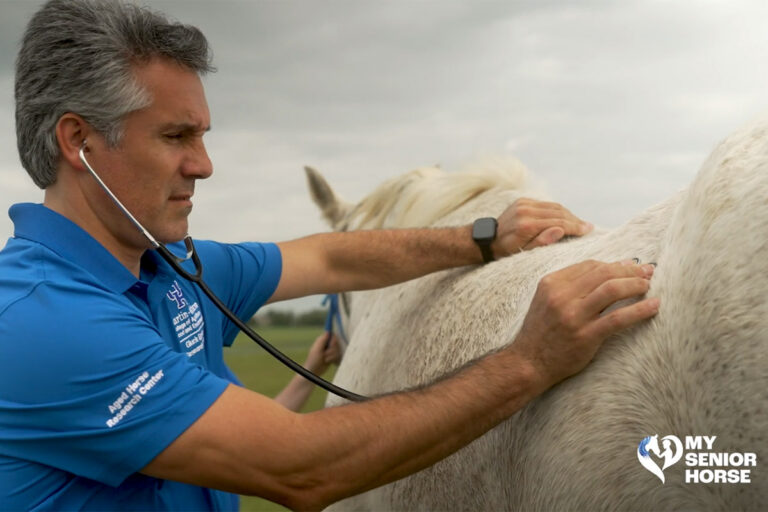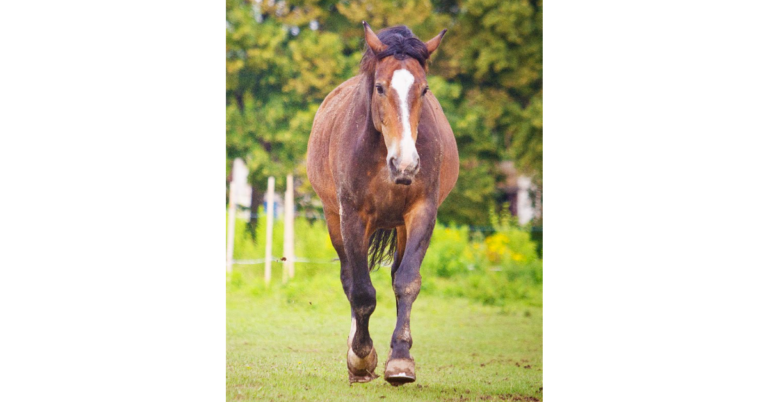
Adrenocorticotropic hormone (ACTH) testing is the most common way veterinarians diagnose and monitor pituitary pars intermedia dysfunction (PPID) in horses. Horses with PPID generally have elevated ACTH levels; however, ACTH changes physiologically with the seasons.
“We know that at the end of summer and starting autumn, we have a normal peak or increase of ACTH levels,” explained Nicolas Galinelli, DVM, PhD, postdoctoral scholar at the University of Kentucky’s Gluck Equine Research Center. “So it’s extremely important to try to adapt the levels if we are testing to the seasonal reference ranges.”
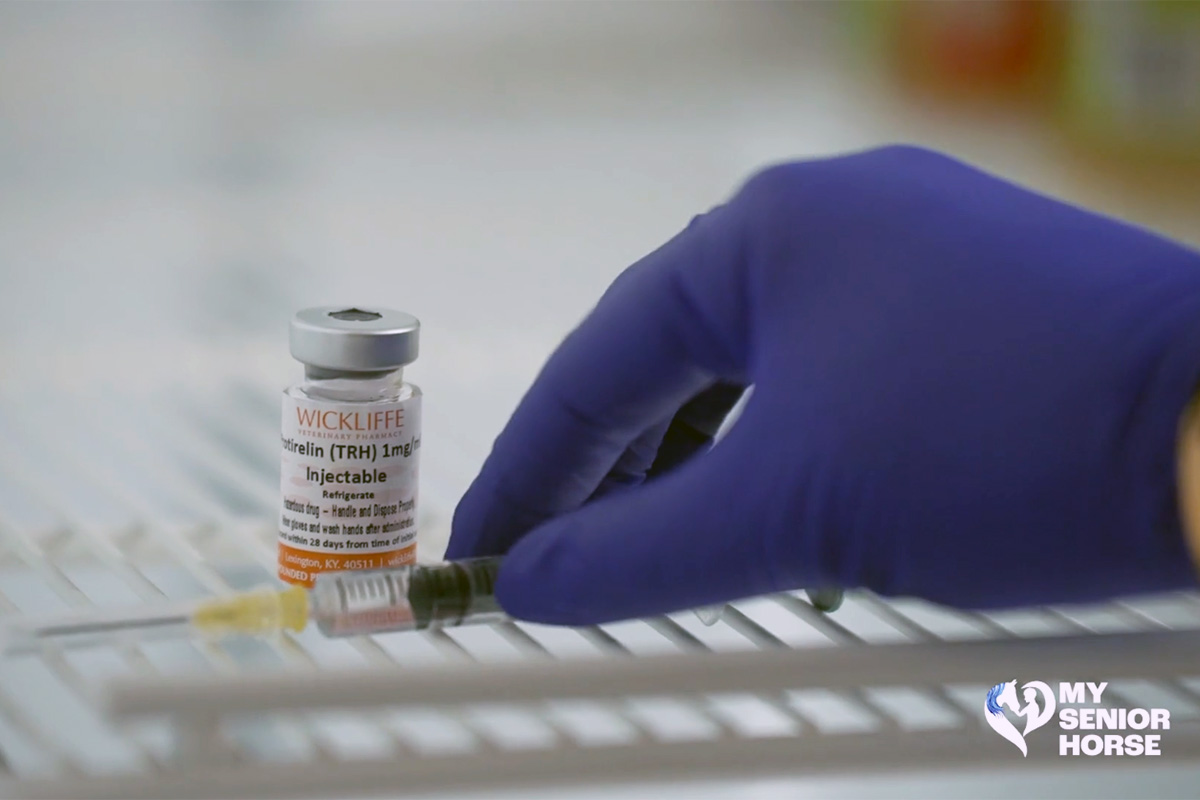
Another test veterinarians can use to diagnose PPID is the thyrotropin-releasing hormone (TRH) stimulation test. It, too, comes with seasonal considerations.
“It’s important to know that this test is not recommended to detect positive cases during autumn,” said Galinelli, because the natural rise in ACTH during this period creates high variability in test results and can lead to false positives. “In spring and summer, you can use (the TRH stimulation) test to detect positive cases. But during autumn specifically, it’s better to try to check the basal (resting) ACTH.”
If your test results are in the gray area between positive and negative, he advised retesting within three to six months to determine whether you’re dealing with a true positive or negative case. Galinelli cautioned that improper handling of blood samples can also cause false negative results.
Related Reading
- What Are the Early Signs of PPID in Horses?
- Understanding PPID, EMS, and Insulin Dysregulation in Horses
- Understanding PPID: A Common Endocrine Disease in Senior Horses
Sign up for My Senior Horse’s FREE newsletter to get the latest information about equids 15 years and older delivered straight to your inbox!
-
View all posts
Alexandra Beckstett is a lifelong horse owner and an award-winning writer and editor. She is the editorial director of EquiManagement and MyNewHorse.com, prior to which she spent 13 years with The Horse/TheHorse.com.