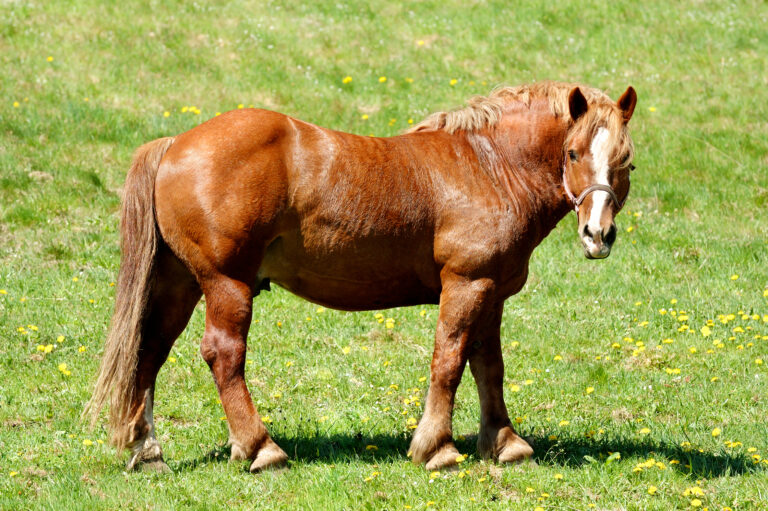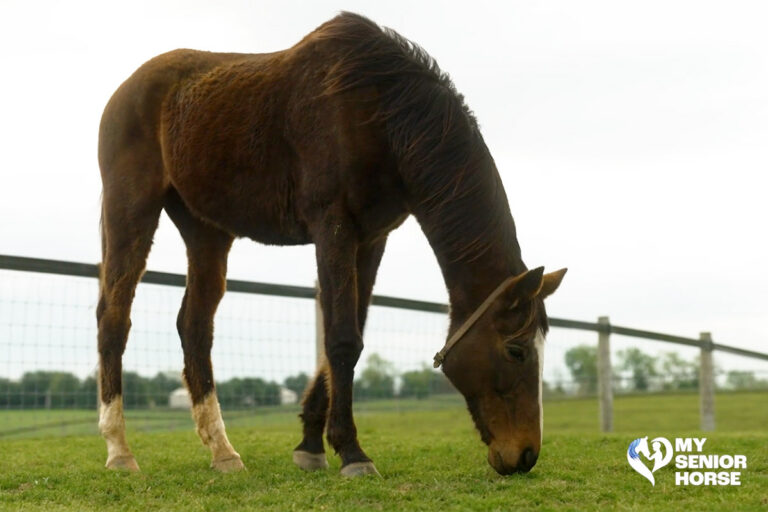
Paying attention to clinical signs such changes in hair coat and urination frequency is key when monitoring a horse that has been diagnosed with pituitary pars intermedia dysfunction (PPID) and taking steps to control the disease.
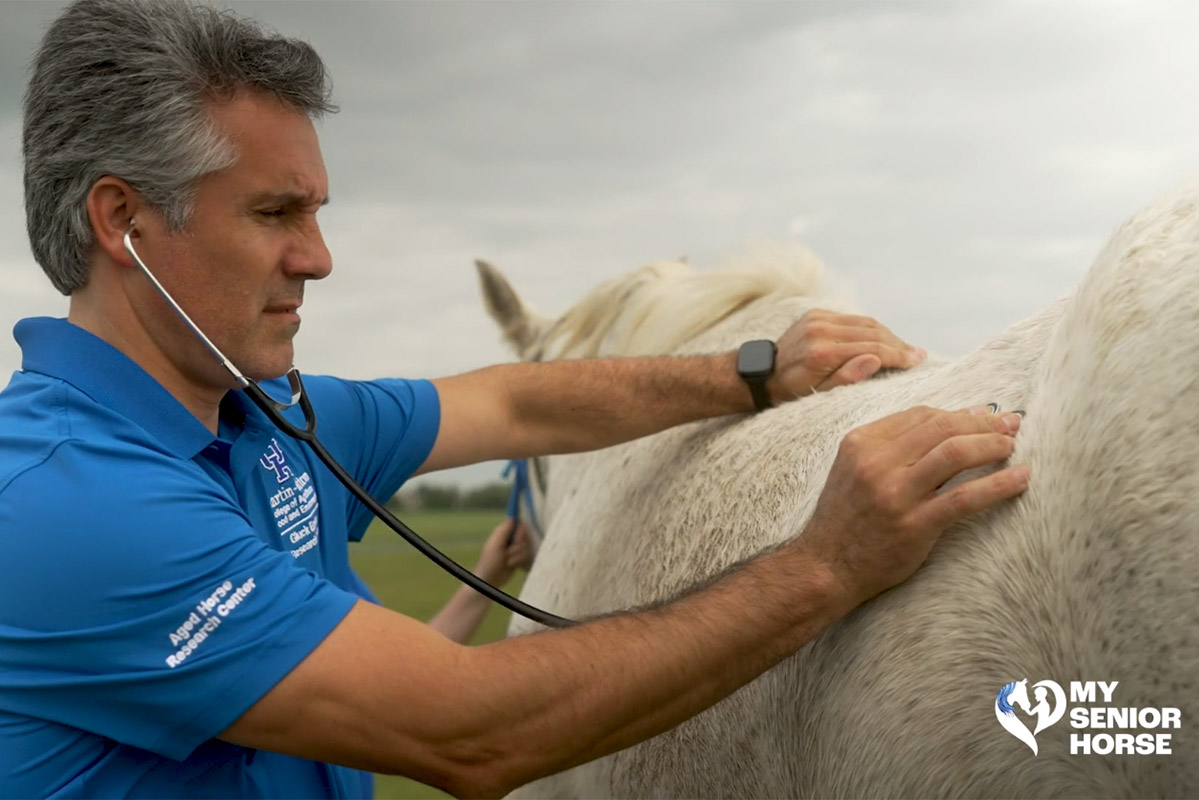
“Owners play a huge role because they are in contact with the horses on a daily basis,” said Nicolas Galinelli, DVM, PhD, postdoctoral scholar at the University of Kentucky’s Gluck Equine Research Center.
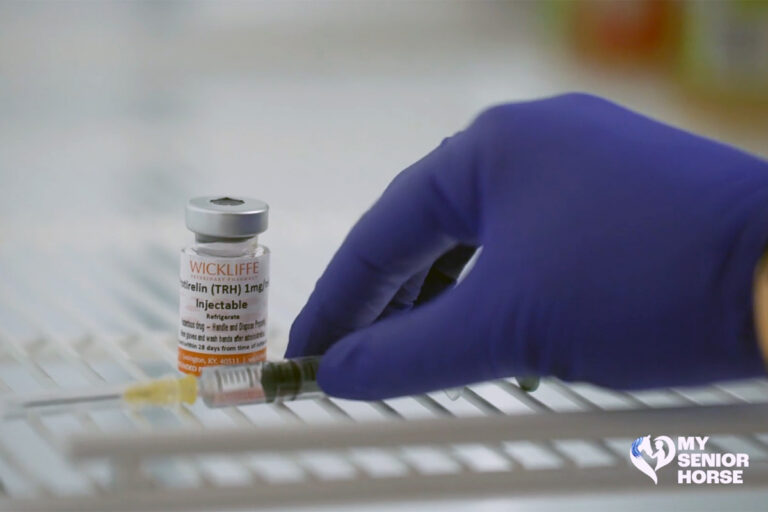
When evaluating a horse with PPID, the veterinarian can also check the horse’s hormone levels, specifically adrenocorticotropic hormone (ACTH).
“For instance, we can perform the basal ACTH test or the TRH stimulation test,” he said. “Some other things that we need to consider is the nutritional plan and body condition score of the horse to be sure that we are providing enough nutrients to maintain the body condition properly.”
Making Medication Adjustments
If a horse has been diagnosed with PPID, he’s potentially already been prescribed pergolide, the approved drug for treatment. It’s important to monitor the horse’s response to treatment and make adjustments as needed.
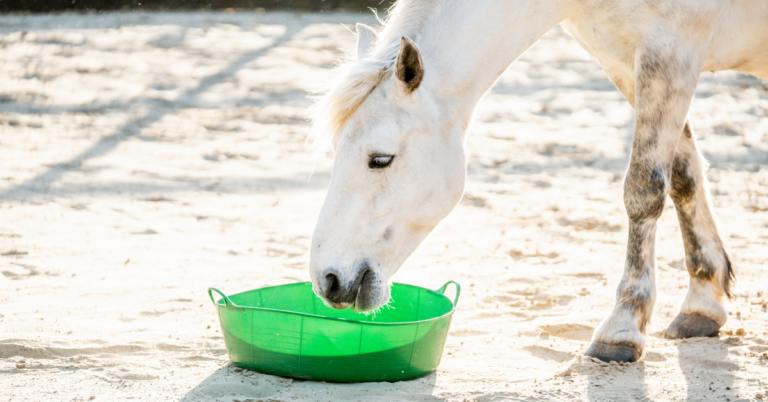
“It’s important that we check the evolution of the case,” said Galinelli. “So if the medication is working, the clinical science will improve. Whereas if the medication is not really working, which could happen, the animal could … have more polyuria (excessive urination) and polydipsia (excessive thirst) or have a worse hair coat. In those cases, we need to check the ACTH levels to see if it’s necessary to adapt the dose of the medication.”
If ACTH levels remain high, your veterinarian might discuss increasing the dose of pergolide gradually to see if you can achieve an effective dose.
“There are many cases where the ACTH levels do not decrease; however, the clinical signs improve,” Galinelli noted. “So we need to consider all those factors. But again, clinical signs are the main factor that we need to consider when we want to continue with the same dose, increase the dose, or decrease the dose of the medication.”
Related Reading
- Managing Appetite Loss Associated With PPID Treatment in Horses
- Seasonal Considerations When Testing Horses for PPID
- What Are the Early Signs of PPID in Horses?
Sign up for My Senior Horse’s FREE newsletter to get the latest information about equids 15 years and older delivered straight to your inbox!
-
View all posts
Alexandra Beckstett is a lifelong horse owner and an award-winning writer and editor. She is the editorial director of EquiManagement and MyNewHorse.com, prior to which she spent 13 years with The Horse/TheHorse.com.