Treatment of pituitary pars intermedia dysfunction (PPID, also known as equine Cushing’s disease) with pergolide mesylate (name brand Prascend) can cause about 30% of horses to experience inappetence or decreased appetite in one or more meals, stated researcher Nicolas Galinelli, DVM, PhD. Galinelli is conducting post-doctoral research at the University of Kentucky on novel treatments and nutritional management for endocrine and metabolic alterations in aged horses.
“Most cases of inappetence were transient and occurred during the first month of treatment,” he noted.
Galinelli and colleagues are currently running a clinical trial with PPID horses receiving pergolide. From the 14 horses treated daily, they detected just 2 horses with transient appetite alteration.
Reason for Inappetence
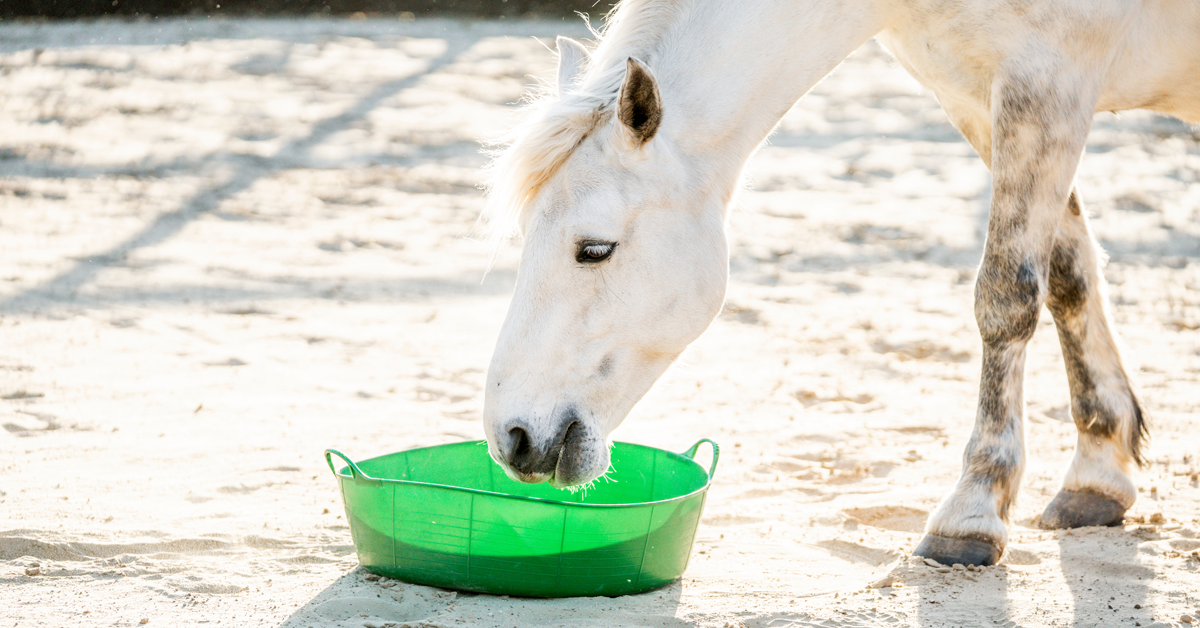
Horse owners know how concerning it is when a horse turns up its nose at the feed tub. There are many potential causes of appetite loss the horse owner must sleuth through. If the horse recently started receiving pergolide treatment, that is one possible culprit.
“We don’t completely understand the mechanism,” said Galinelli. “However, the dopamine agonist effect of pergolide mesylate is mentioned as interfering with the appetite pathway. In rodents, it is explained based on the influence on the dopaminergic neural system, which is implicated in the induction of anorexia.”
Temporary or Persistent?
Some equids will persist in meal refusal if the food contains pergolide. However, Galinelli said most horses will resume normal eating as soon as caregivers interrupt treatment or reduce the medication dose.
Pergolide Administration Tips
“Sometimes it is difficult to administer a pill to a horse and expect that the horse will swallow it without spitting it out,” said Galinelli.
Hiding the pergolide pill in a carrier (such as a small piece of carrot or apple) is one administration option if the horse won’t eat it in grain.
Empty gelatin capsules for pills are also available for purchase. “It could be tried as an option as long as the horse likes the taste of the gelatin capsule,” said Galinelli. “However, I have no personal experience in this way of administration.
“On the other hand, the administration of a dissolved pill with a syringe into the mouth is also possible,” he said.
He warned that the commercial drug brochure mentions that the drug can lose effectiveness if dissolved prior to administration. “But, sometimes this is the most practical possibility for difficult horses,” Galinelli said.
He advised from personal experience that if it is necessary to use this method, “dissolve the pill in the syringe just immediately before the administration. Do not leave the pill dissolved for some time before the oral administration. It can reduce the drug efficacy as it is advertised by the producer.”
Other Ways to Address Appetite Loss
“Some horses show a transient reduction in appetite with initial pergolide therapy,” said Galinelli. “This is often self-limiting.” However, if necessary, some strategies for addressing persistent inappetence include:
- Pause administration for a 3-7 days, then restart administration at a lower dose and gradually increase it to reach the final dose in 1-2 weeks.
- Divide the total daily dose into twice-daily administration. This is considered extra-label use as the manufacturer’s recommendations are for once-daily administration.
- Administer the medication once daily at a different time than the horse’s normal mealtimes.
- Reduce the current dose to half and evaluate the horse’s response. Once the appetite has normalized, gradually increase the dose.
Managing Refractory Cases
Currently, pergolide is the drug that has shown the best efficacy for PPID treatment, said Galinelli. However, there are some other options for refractory cases, he said.
“First, we need to ensure pergolide tablets are being handled and stored appropriately in provided packaging until administration,” he stated.
The Equine Endocrinology Group recommends the following strategies for managing refractory cases:
- Gradually increasing pergolide dose to 4-6 mcg/kg/day and adding cyproheptadine (0.25 mg/kg PO BID or 0.5 mg/kg PO SID) or gradually increasing pergolide to 10 mcg/kg. These doses are considered extra-label and are based on a veterinarian’s clinical recommendations. The manufacturer’s recommendations are not to exceed 4 mcg/kg daily.
- Cabergoline is another dopamine agonist. It has been compounded for administration via once-weekly injection. However, safety and efficacy data is not fully convincing nor available. Inappetence was also reported in 30%-60% of horses receiving cabergoline.
- Some nutritional supplements claim to treat PPID, with some even claiming to replace medical treatment. “However, the scientific evidence about efficacy and safety are lacking,” Galinelli stated. “For the recommendation of those dietary supplements it would be necessary to have further research with more consistent results and showing good efficacy.”
Final Words
“It is important to highlight that once treatment has been started, it is always recommended to discuss any changes with your veterinary clinician,” said Galinelli. “If the treatment is not giving the expected results or you have any concerns, contact your veterinarian before making any adjustments.”
Doses and alternative treatment information are available from the Equine Endocrinology Group.
About Dr. Nicolas Galinelli
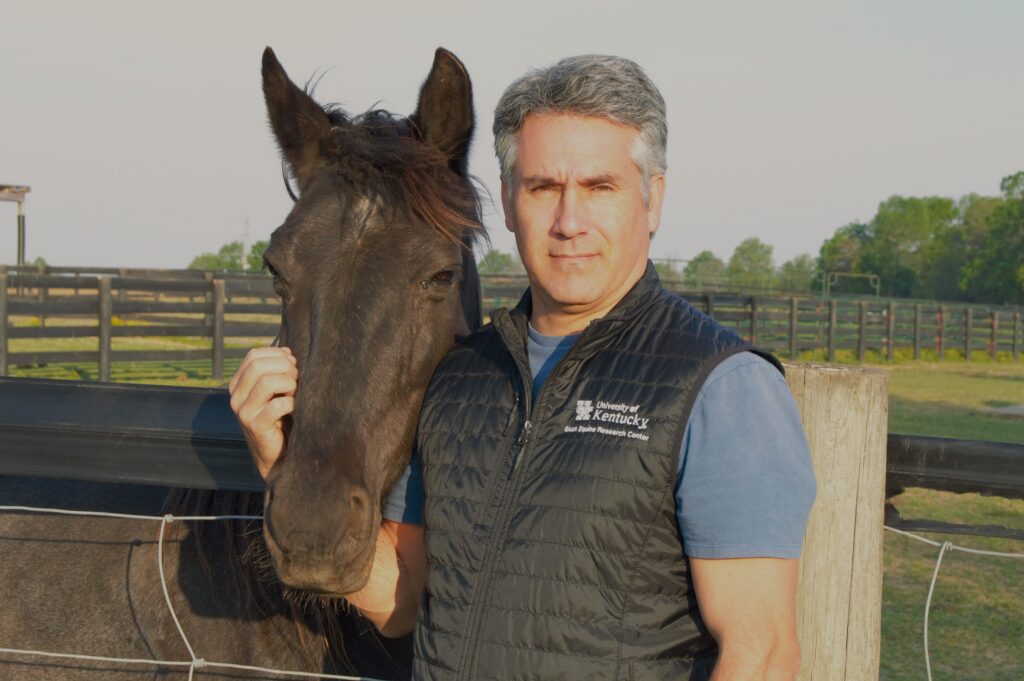
Nicolas Galinelli, DVM, PhD, is in post-doctoral studies at the University of Kentucky Department of Veterinary Science. Galinelli graduated in 2005 as a veterinarian from the University of La Plata in Argentina. He then worked as an equine clinician in Argentina, Saudi Arabia, Colombia, and the UAE. In 2016, Galinelli moved to Belgium, where he completed his residency at Ghent University in the European College of Veterinary and Comparative Nutrition, specifically focused in Equine Nutrition. Galinelli moved to Australia in 2020 when he started his PhD candidature at the University of Melbourne. His work focused on “Improving Our Understanding of Equine Pituitary Pars Intermedia Dysfunction (PPID): Implications for Diagnosis, Treatment and Management.” His current post-doctoral studies are focused on novel treatments and nutritional management for endocrine and metabolic alteration in aged horses.
Related Content
- Clinical Signs of PPID You Might Not Know. Kimberly S. Brown. MySeniorHorse.com
- PPID/Cushing’s Category of Content. MySeniorHorse.com
- Diagnosing and Managing PPID in Horses. Kimberly S. Brown. MySeniorHorse.com
- Coat Changes and Immune System Shifts in Senior Horses. Kimberly S. Brown. MySeniorHorse.com
- When Is a Horse Considered ‘Senior’? Clare Barfoot, RNutr. MySeniorHorse.com
- Developing a Feeding Plan for Your PPID Horse or Pony. Dr. Pat Harris. MySeniorHorse.com
- Quality of Life Tool for Monitoring PPID Horses. Alexandra Beckstett. MySeniorHorse.com
- Assessing Your Animal’s Risk of Laminitis. Dr. Edd Knowles. MySeniorHorse.com
- Disease Du Jour podcast: Equine Tendon Healing. EquiManagement.com
- PPID and Bone Mineral Density Loss in Horses. Kimberly S. Brown. MySeniorHorse.com
- Understanding PPID video. Dr. Cosette Fiavre. MySeniorHorse.com
- My Senior Horse Podcast: PPID Part 1. Dr. Hal Schott. MySeniorHorse.com
- My Senior Horse Podcast: PPID Part 2. Dr. Hal Schott. MySeniorHorse.com
- My Senior Horse Podcast: PPID Part 3. Dr. Hal Schott. MySeniorHorse.com
Sign up for My Senior Horse’s FREE newsletter to get the latest information about equids 15 years and older delivered straight to your inbox!