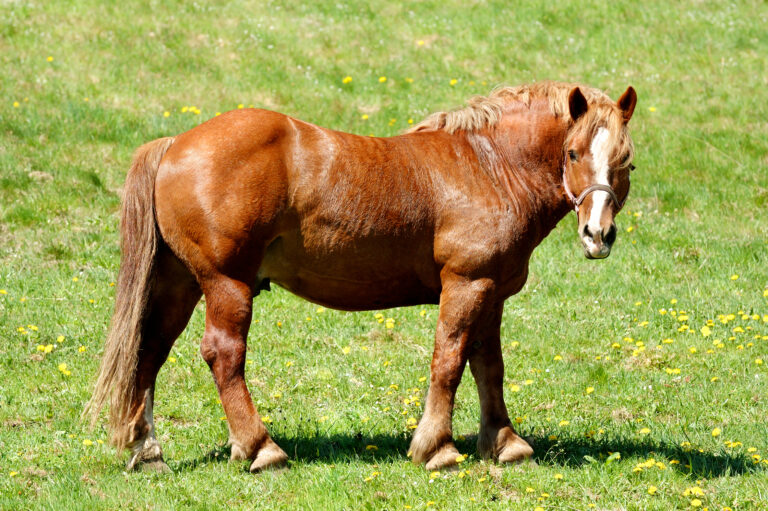
Nonstructural carbohydrates (NSCs), which include sugars and starches, are an important consideration when developing diets for senior horses. For easy keepers and horses with insulin dysregulation (ID) or equine metabolic syndrome (EMS), carefully managing NSC intake can help reduce the risk of excessive insulin responses and associated complications.
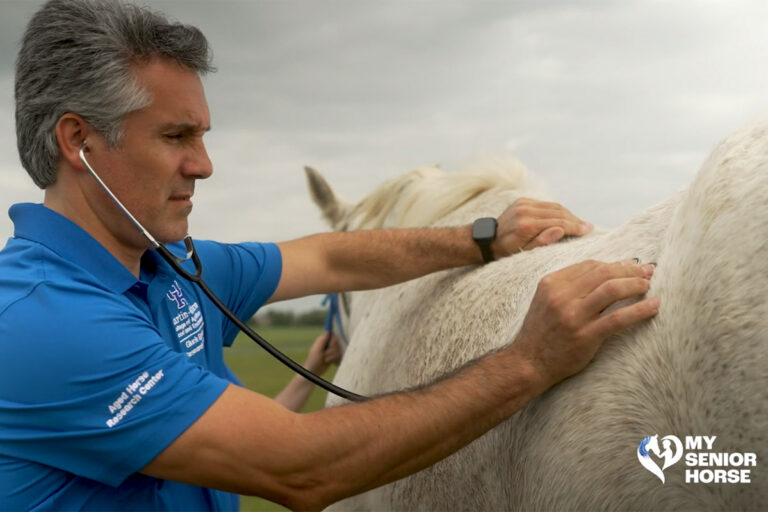
“With those horses, when we’re providing higher levels of nonstructural carbohydrates—so, levels greater than 12%—we are going to see an increase in that insulin response,” says Morgan Askins, MS, graduate research assistant and PhD candidate at the University of Kentucky. “When we have high levels of insulin in the horse that are circulating, especially over a period of time, then we can see issues with laminitis.”
NSC Levels in Feed and Forage
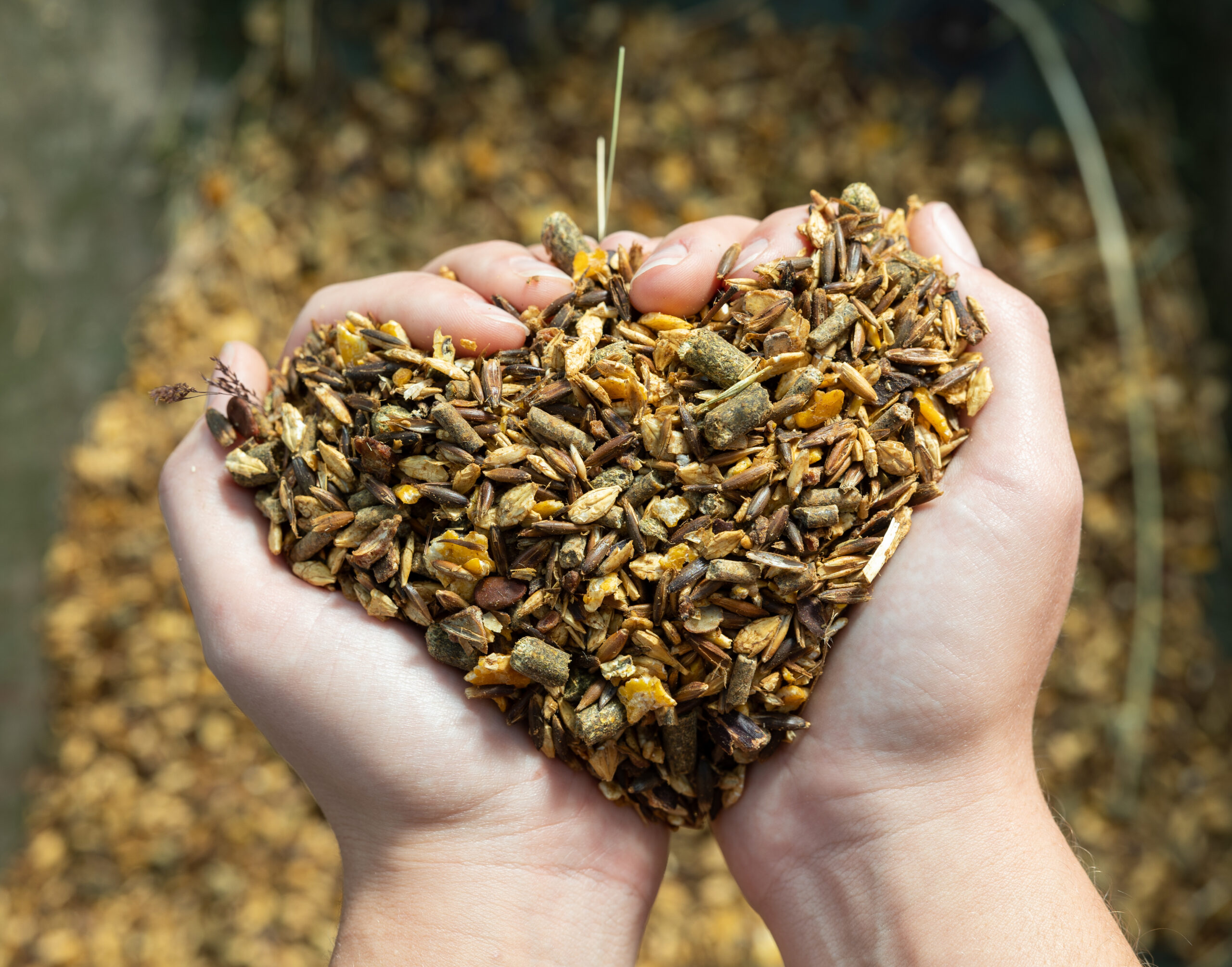
So how do you determine the NSC levels in a feed or forage? If you’re purchasing a concentrate feed from a feed company, these levels will often be listed on the feed bag or tag, or you can call the feed company and request that information. As for forage, you can take a composite sample of your hay or your pasture and send it to a reputable lab (e.g., Equi-Analytical, Extension services) for an analysis.
“It’s important that we keep in mind how the NSC in our pastures can change throughout the day,” says Askins. “So while our NSC level in our concentrate feeds and our hay is going to remain consistent, our NSC level in our pasture is going to have environmental influences that affect that level.”
Those environmental influences include time of day, season, current temperature, amount of rainfall, and amount of shade. Further, NSC levels fluctuate throughout the day.
“As photosynthesis occurs during the day, this is going to produce nonstructural carbohydrates, so the NSC level increases throughout the day,” Askins explained. “As we arrive at sunset, this is typically when our NSC level is the highest. And then during the overnight hours, the plants will utilize that nonstructural carbohydrate to grow, reducing the NSC levels in the overnight hours and seeing our lowest NSC level in our pastures at dawn.”
How to Limit NSC Intake in Horses
To limit NSC intake, especially for horses with endocrine disorders or at risk of laminitis, make sure you’re feeding a low-NSC feed (0.1-0.5 g NSC per kg body weight, with 0.1 g/kg for severe ID cases). Similarly, provide a hay that is less than 10-12% dry matter NSC.
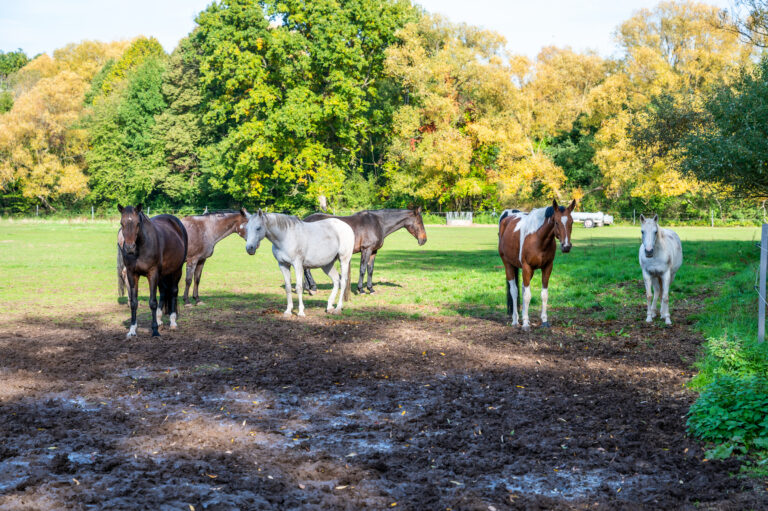
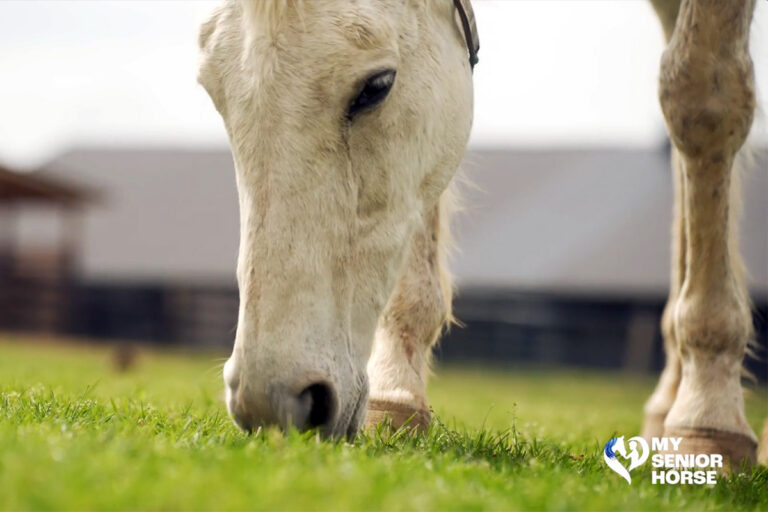
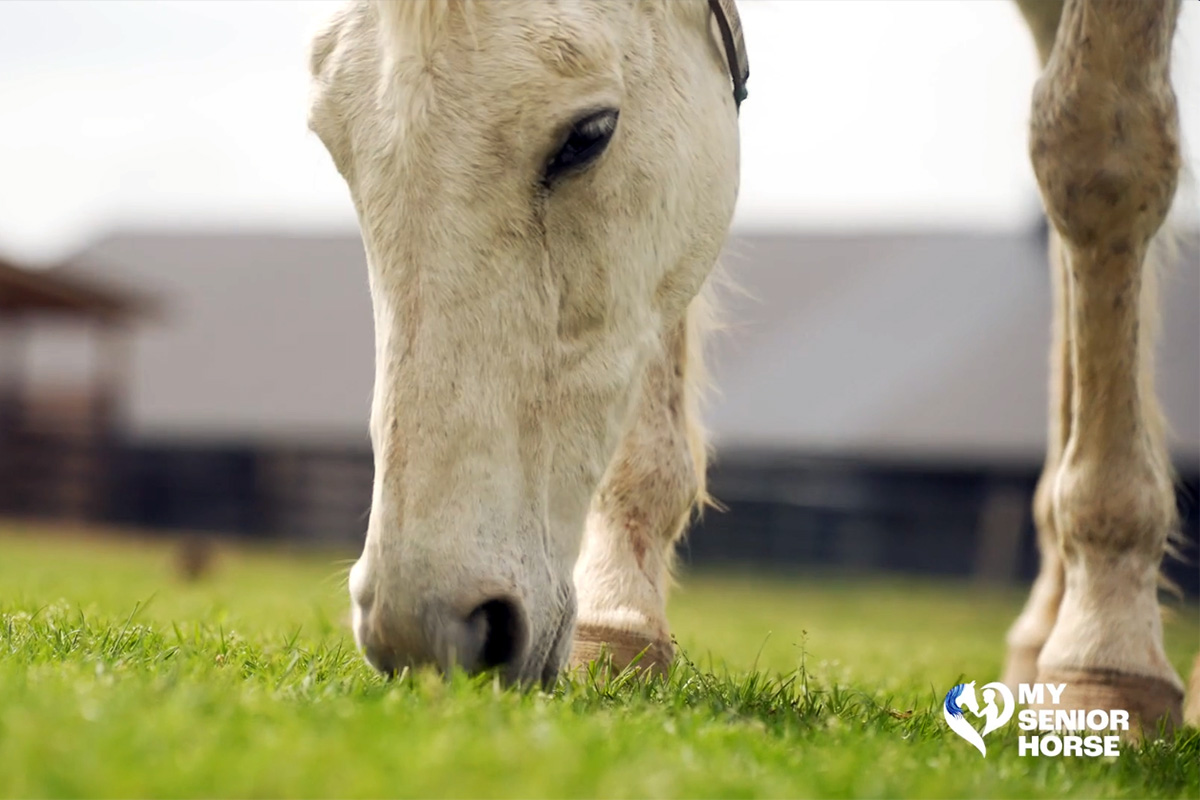
“Then for our pasture, it’s important that we are considering that time of day and those environmental impacts,” said Askins. “So, limiting the time that these horses have out on pasture to when those NSC levels are lower, avoiding turning these horses out in the evening hours when we see that our NSC is the highest, as well as avoiding turning them out on fresh spring pastures.”
In Summary
Because research has shown high individual variability in ID horses’ insulin responses, Askins recommends repeat monitoring of at-risk horses’ endocrine status through oral sugar tests as well as of the NSC levels in their feed. And remember, your veterinarian and local equine nutritionist are great resources.
Related Reading
- How to Choose the Right Hay for Your Overweight Horse
- Increases in Forage NSC Can Affect ID and Non-ID Horses
- Day and Time Effect on Pasture NSC and Insulin in ID Horses
Sign up for My Senior Horse’s FREE newsletter to get the latest information about equids 15 years and older delivered straight to your inbox!
-
View all posts
Alexandra Beckstett is a lifelong horse owner and an award-winning writer and editor. She is the editorial director of EquiManagement and MyNewHorse.com, prior to which she spent 13 years with The Horse/TheHorse.com.