Videos

Screenshot 2026-07-27 at 10.39
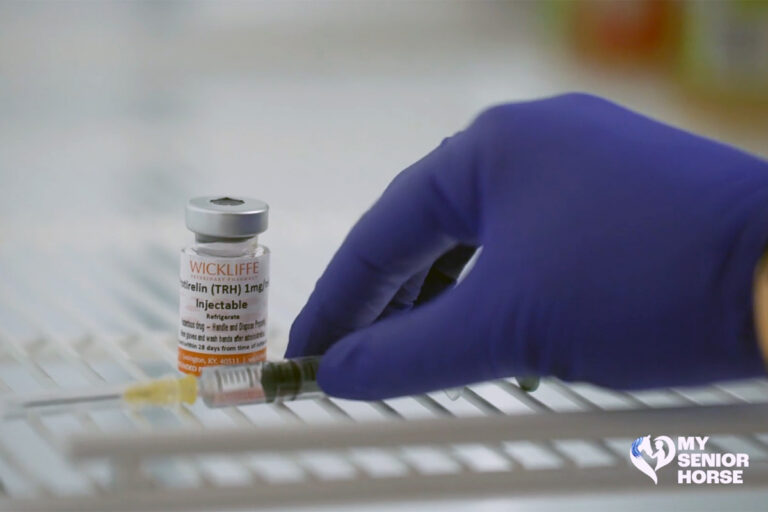
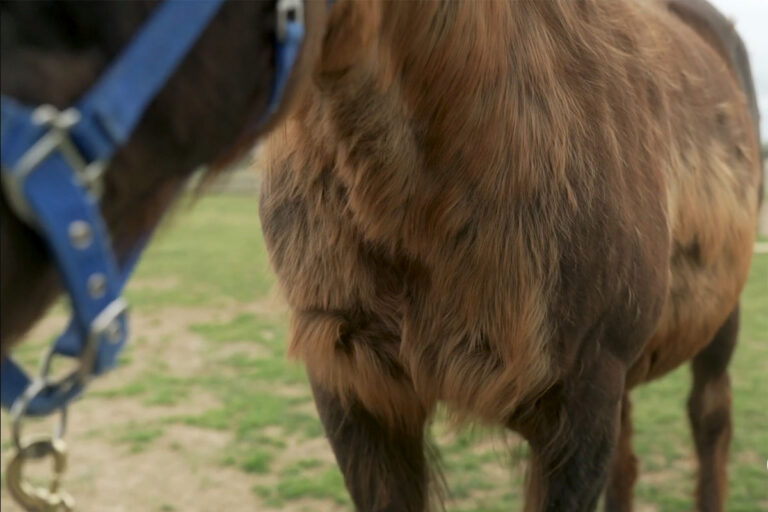
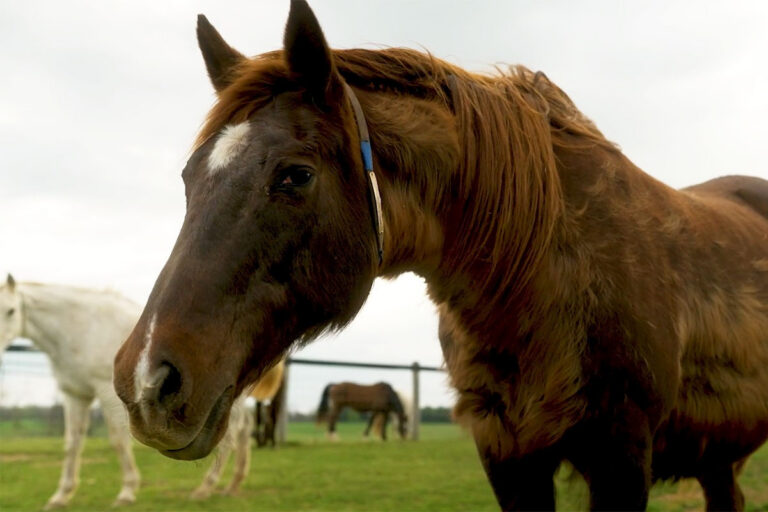
Understanding PPID, EMS, and Insulin Dysregulation in Horses
Dr. Edd Knowles describes the key differences between these three endocrine disorders that can develop in older horses.
4 feeding easy keepers
Feeding Older Horses That Are Easy Keepers
University of Kentucky researchers provide key feeding and management strategies for easy-keeping horses that are at increased risk of insulin dysregulation and laminitis.
2 senior herd PPID horse
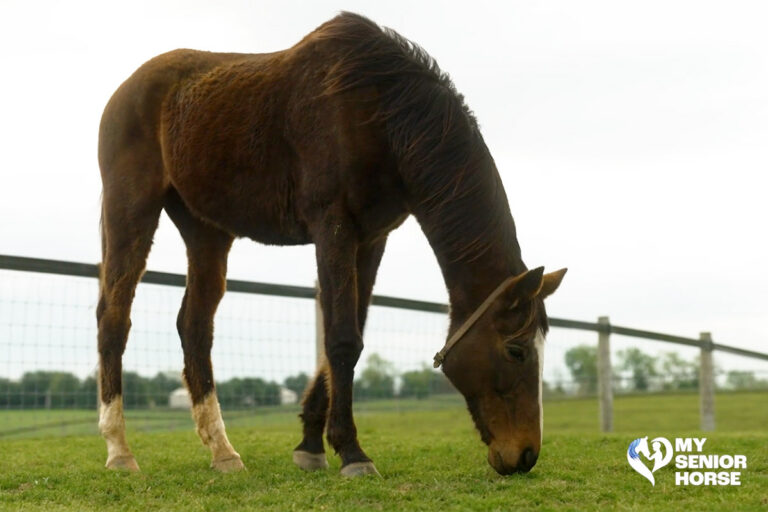
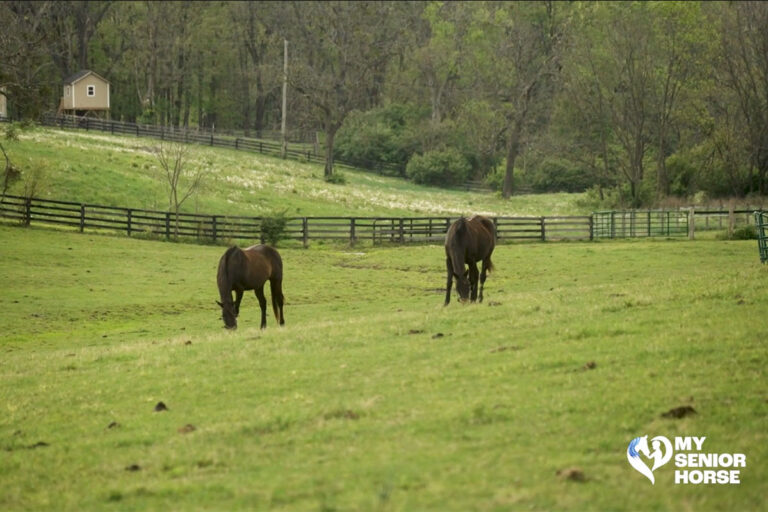
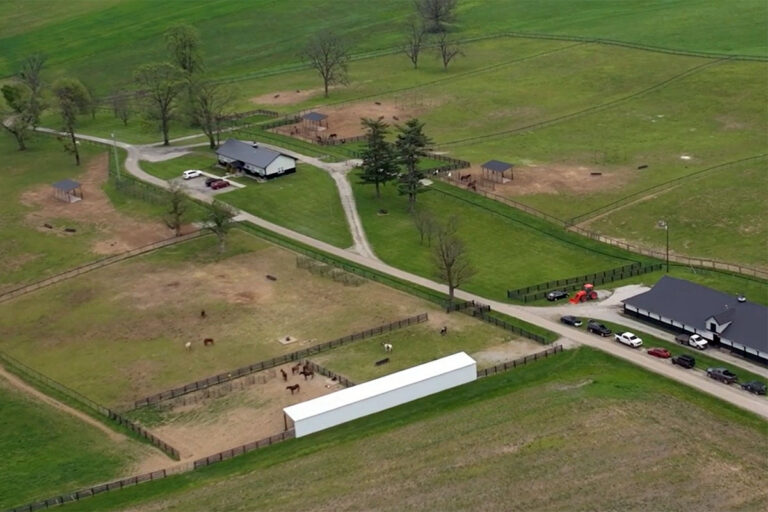
Caring for a Herd of Aged Research Horses
Learn about the daily care that goes into managing a herd of senior horses and common age-related conditions the team at the University of Kentucky's Aged Horse Research Program sees.
1 Senior horse program screengrab
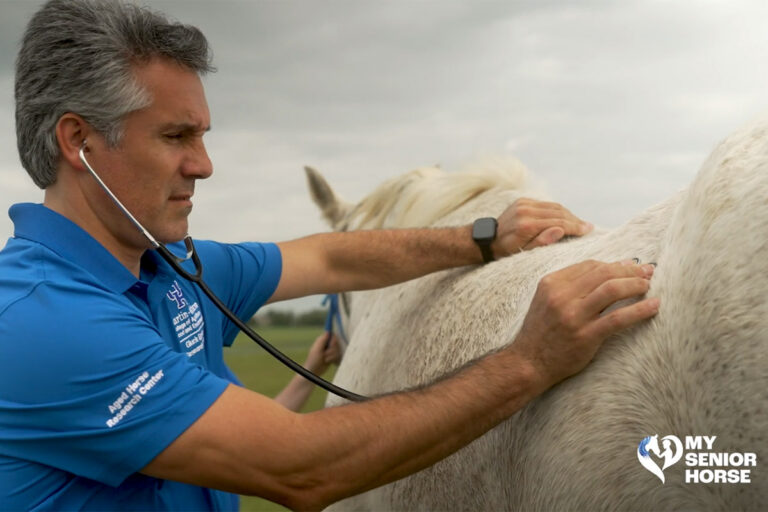
The University of Kentucky's Aged Horse Research Program
Discover how researchers are improving the care of aging horses through studies on PPID, insulin dysregulation, and other age-related conditions.
feeding ID horses
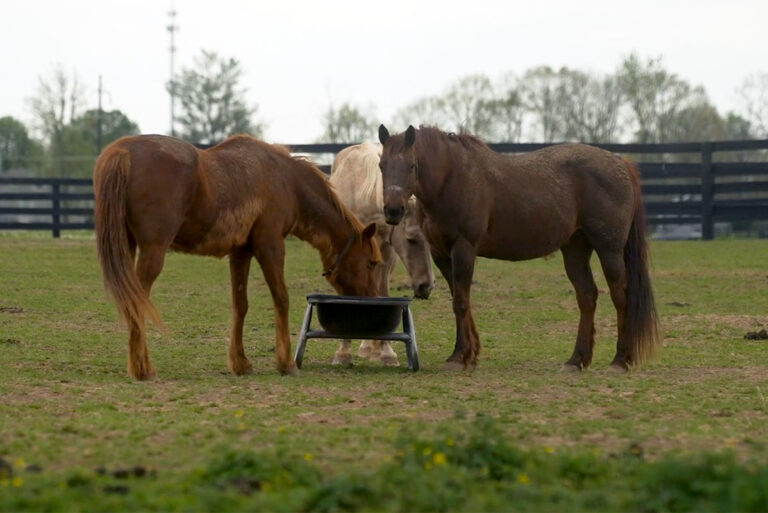
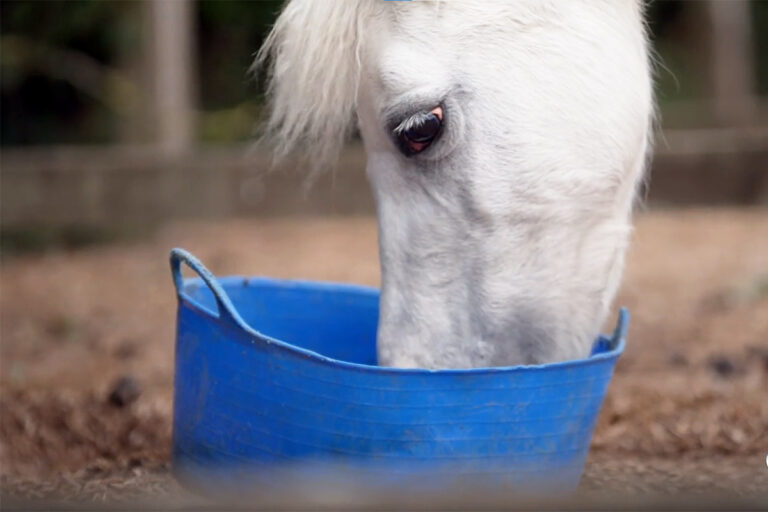
Feeding Horses With Insulin Dysregulation: Small, Frequent Meals Matter 
Small, frequent meals help control horses’ insulin levels, reduce boredom, and mimic natural trickle feeding.
understanding ration balancers
Understanding Ration Balancers for Senior Horses 
Balancers are designed to complement your horse’s existing ration and ensure the vitamin, mineral, and protein levels meet his or her daily requirements.
daily health checks
How to Perform Daily Health Checks of Senior Horses
Full body checks help ensure horses are in good condition and don’t have injuries or problems that require veterinary attention.
Benefits and uses of strip grazing
The Benefits and Uses of Strip-Grazing Horses 
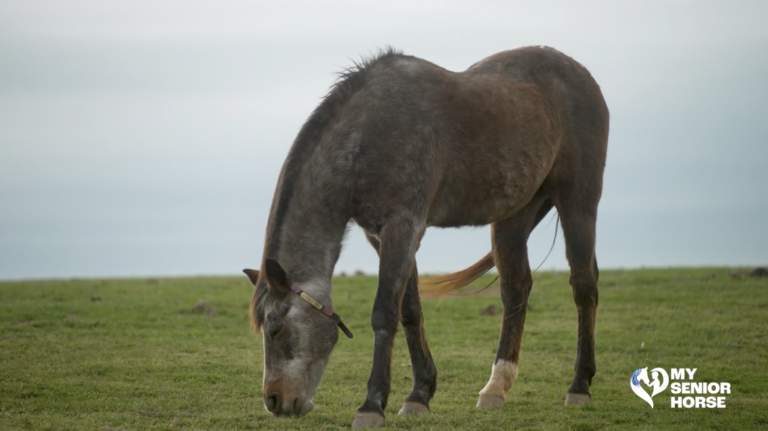
This arrangement allows owners to control the amount of grass and calories their horses consume on pasture.
early signs of laminitis
Recognizing the Early Signs of Laminitis in Horses 
Many horses have mild signs of laminitis before they become lame, particularly at-risk horses such as seniors, ponies, and equids with insulin dysregulation.

woodchip paddocks
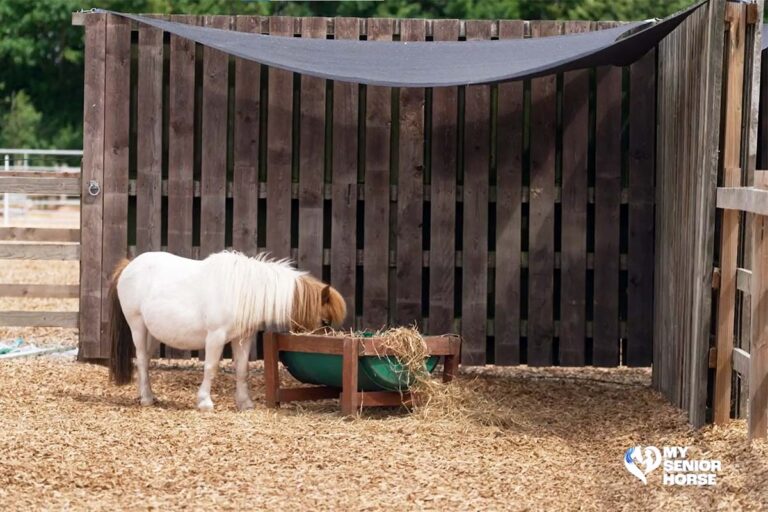
The Benefits and Uses of Woodchip Paddocks
A woodchip paddock is a great turnout environment for horses at risk of laminitis or sand colic or recovering from lameness or pastern dermatitis.
Feeding hospitalized laminitic horse
Caring for the Laminitic Horse on Stall Rest 
Dr. Nicola Jarvis shares steps caretakers can take to ensure these horses don’t deteriorate mentally or physically while on prolonged box rest.
Hospitalized senior horses
Caring for Hospitalized Senior Horses
Learn about the special requirements and considerations for older horses in hospital settings or on stall rest for weeks or months at a time.
PPID quality of life
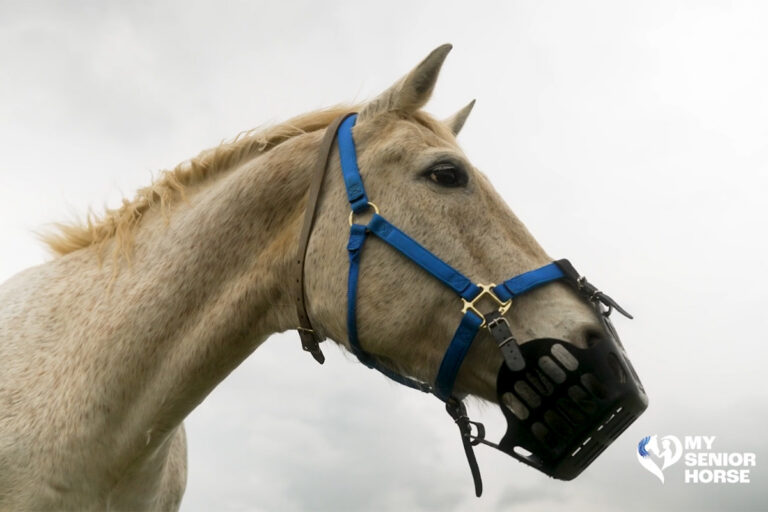
Quality of Life Tool for Monitoring PPID Horses
Researchers are refining an owner-reported tool veterinarians can use to monitor PPID horses over time.
Snow white
Meet Snow White: A Senior Shetland Pony
Learn how the caretakers at Redwings Horse Sanctuary keep this spunky 26-year-old mare happy and healthy despite her chronic conditions.
READER FAVORITES
New World screwworm fly Cochliomya hominivorax
New World Screwworm Update: What Horse Owners Need to Know
Horse owner touching her horse's hoof, potentially to monitor for signs of laminitis.
Understanding the Three Stages of Laminitis in Horses
aged gray donkey how long horse donkey mule live
How Long Can a Horse, Pony, Donkey, or Mule Live?
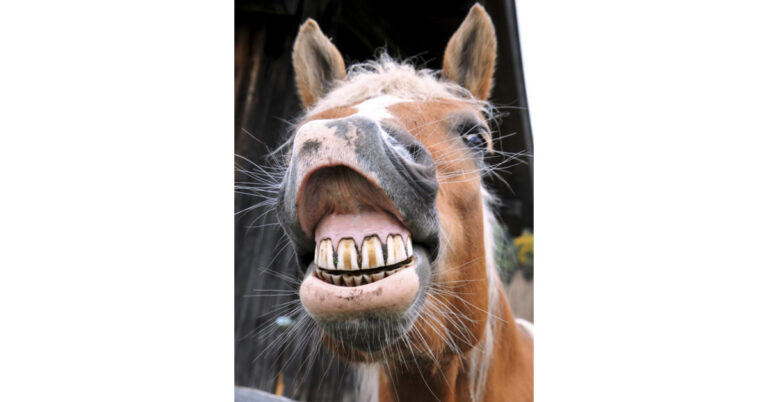
Horse teeth
Horse Teeth by Age
POLLS & QUIZZES
FUN STUFF
horse hoof laminitis
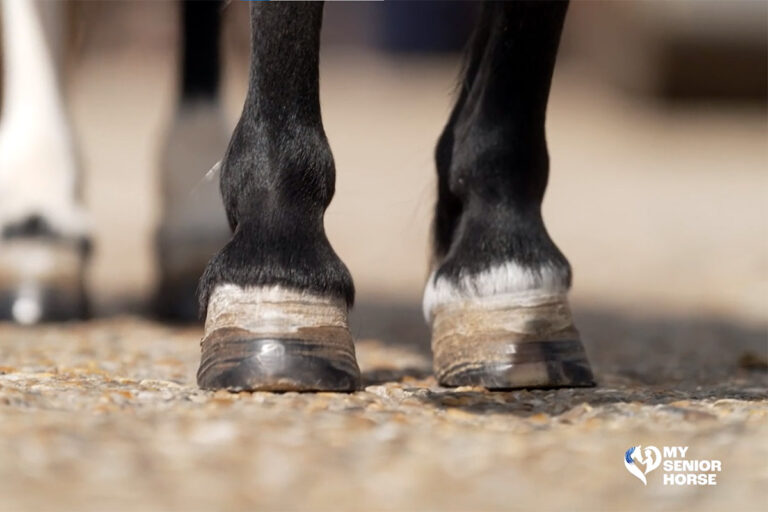
My Senior Horse Podcast: Effects of Laminitis on the Horse's Foot
SIRS research two donkeys one older
Systemic Inflammatory Response Syndrome (SIRS) in Donkeys
738217065_1871856750439604_1480301279405016768_n
Meet the Winners of the Inaugural My Senior Horse High-Point Awards
horse cantering getty
Joint Fluid Proteins Could Enable Early Detection of Equine Osteoarthritis
NEWSLETTER

Sign up here for the My Senior Horse Newsletter. Get updates and information to your inbox once a week.

"*" indicates required fields

This field is for validation purposes and should be left unchanged.
Name*
Country*