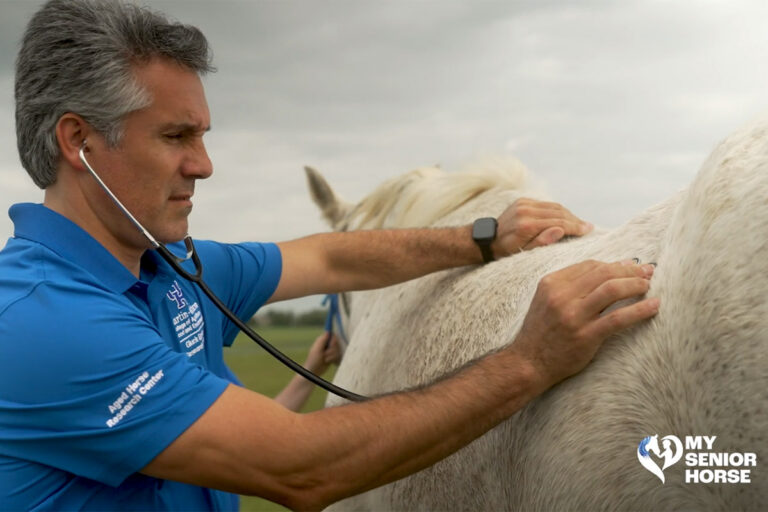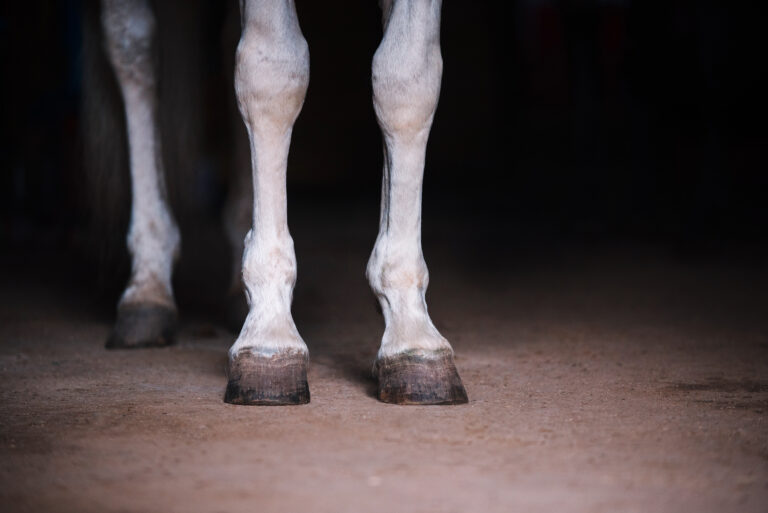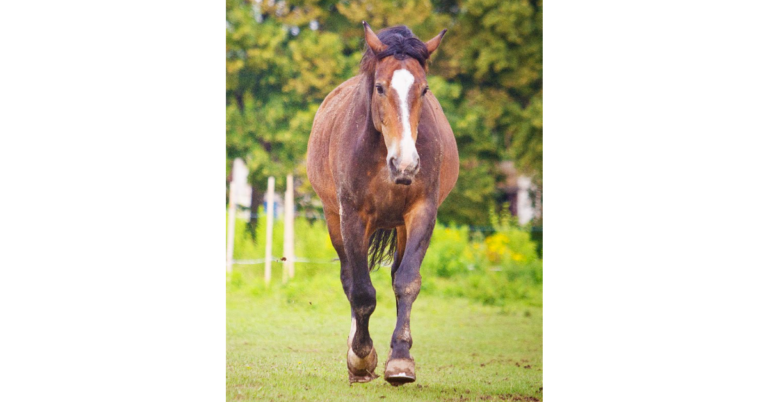

At Redwings Horse Sanctuary, in Norfolk, U.K., the staff perform full body checks on every equid twice a day to ensure horses are in good condition and don’t have any injuries or problems that require veterinary attention.
“When we are talking about a more senior equine, there are things that we will be looking at to give us clues about their health,” said Talita Tonioli Arantes, Redwings operations manager.
What to Look For
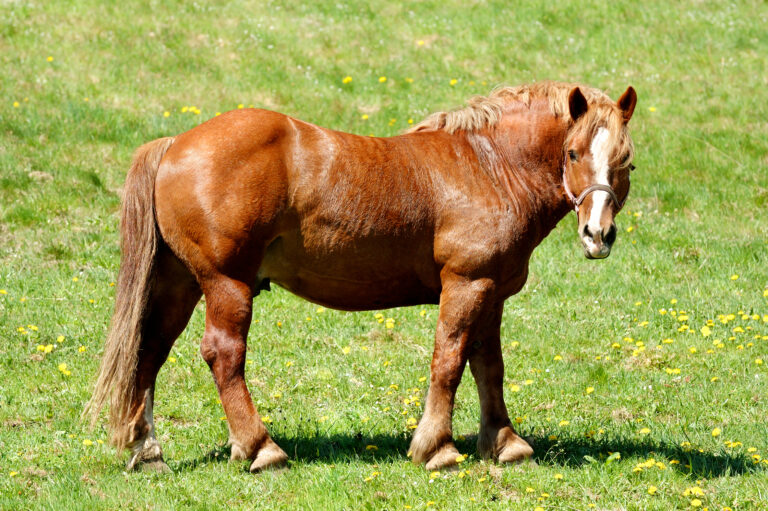
Tonioli Arantes said they assess each older horse’s dentition and look for signs of quidding (dropped clumps of forage that haven’t been chewed properly). “If we see that, we’re going to start actioning our vets to make sure the dentals are up to date and see if that horse needs extra feed to help keep their body weight,” she explained.
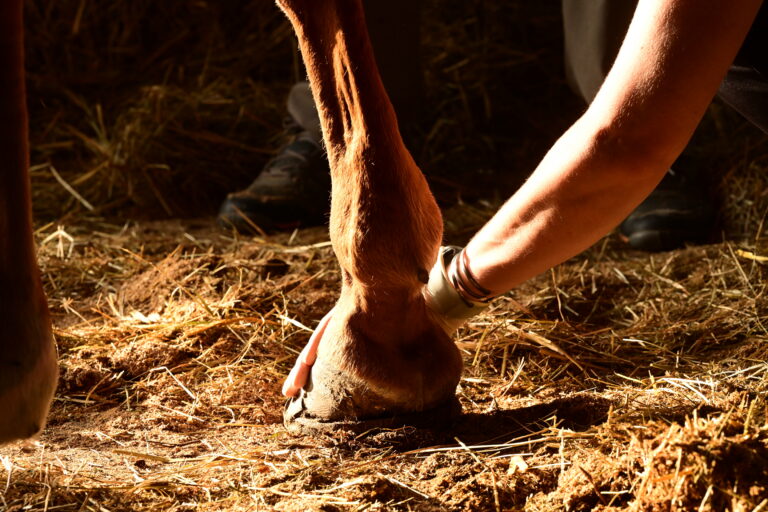
Her team also watches each horse walk to evaluate soundness and determine whether they might need medication or special shoeing to move better and be pain-free. They assess body condition and look for rub marks (e.g., on the fetlocks) that might indicate a horse is struggling to get up after lying down. A horse that is lying down too much might also be a sign of pain.
“Based on what we found, we report back to our vets, and they will create an action plan to help the horse,” said Tonioli Arantes. “They might prescribe a medication, which we then administer to the horses. Maybe there’s some remedial shoeing to help correct a lameness. So we create a health plan to make sure that horse is pain-free and going to live a good life at Redwings.”
Further Content
- The Benefits and Uses of Strip-Grazing Horses
- Assessing Quality of Life in the Older Horse
- How Veterinarians Approach Senior Horse Care
Sign up for My Senior Horse’s FREE newsletter to get the latest information about equids 15 years and older delivered straight to your inbox!
-
View all posts
Alexandra Beckstett is a lifelong horse owner and an award-winning writer and editor. She is the editorial director of EquiManagement and MyNewHorse.com, prior to which she spent 13 years with The Horse/TheHorse.com.