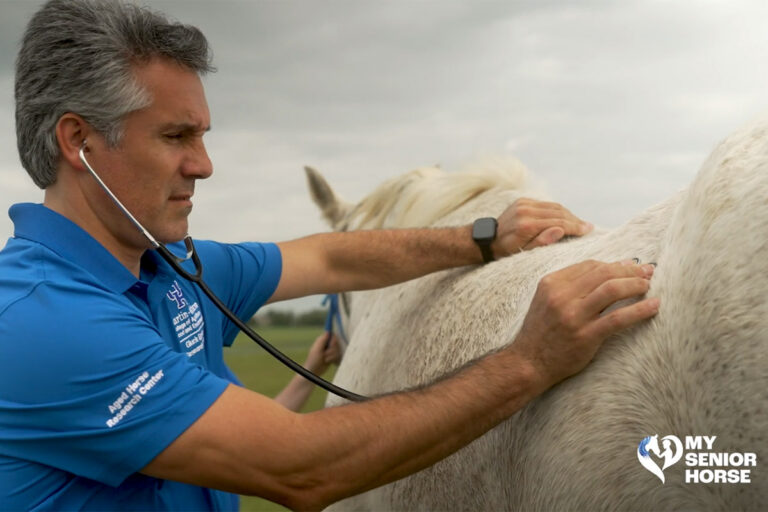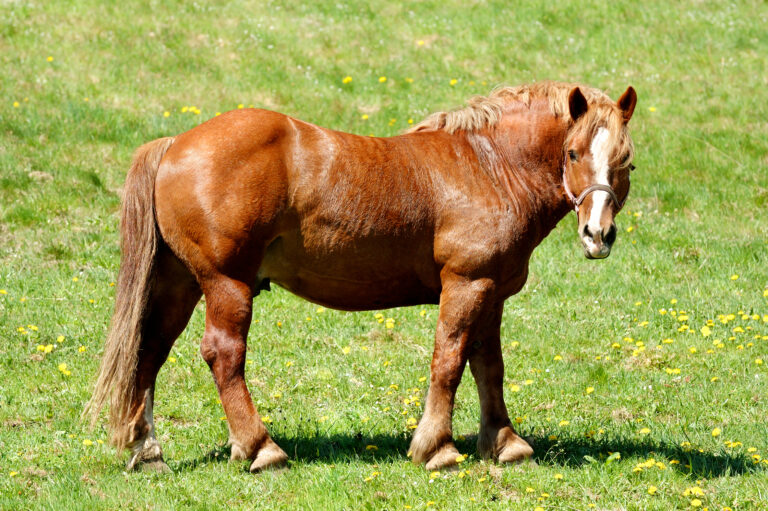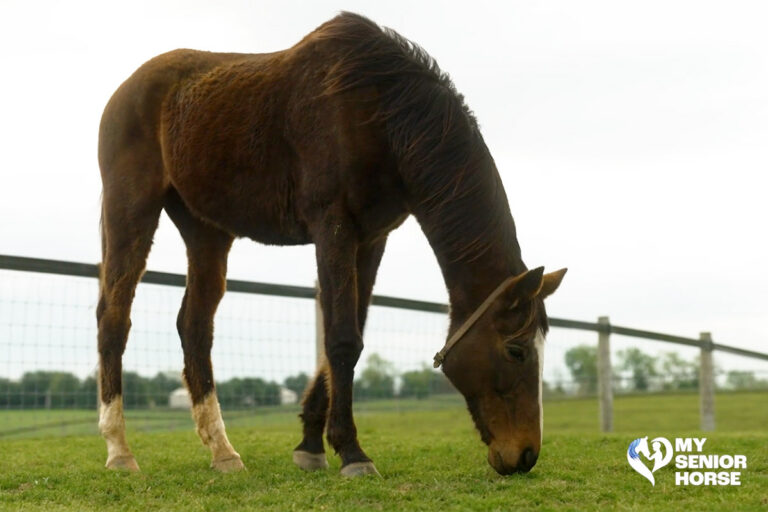

Any horse can develop the hoof disease laminitis. But, certain types of horses are at higher risk, including older horses, ones with insulin dysregulation, and ponies. Edd Knowles, MA, PhD, VetMB, MVetMed, Dipl. ECEIM, MRCVS, is the director of science and nutrition with Mars Horsecare. He described early warning signs owners can watch for in their horses.
“A lot of these horses will have mild signs of laminitis before they get a full-on attack,” he explained. “So we have to get used to learning to spot those. In particular, we need to be careful with horses that aren’t doing a lot of work because we may miss the early signs of lameness.”
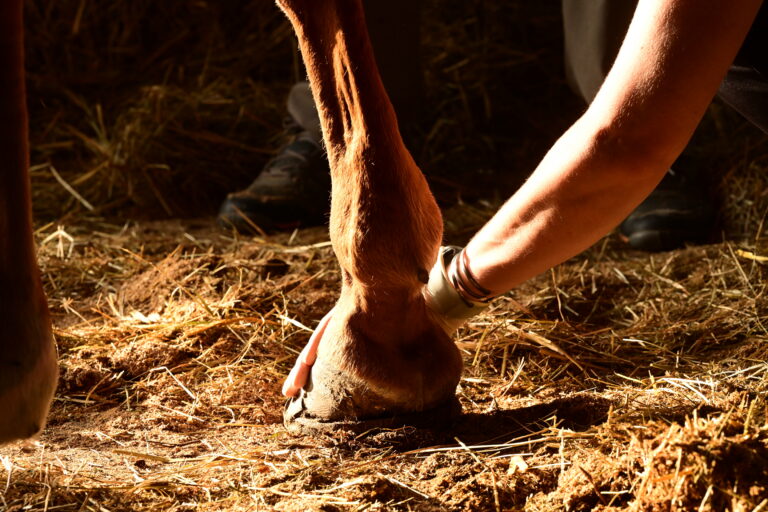
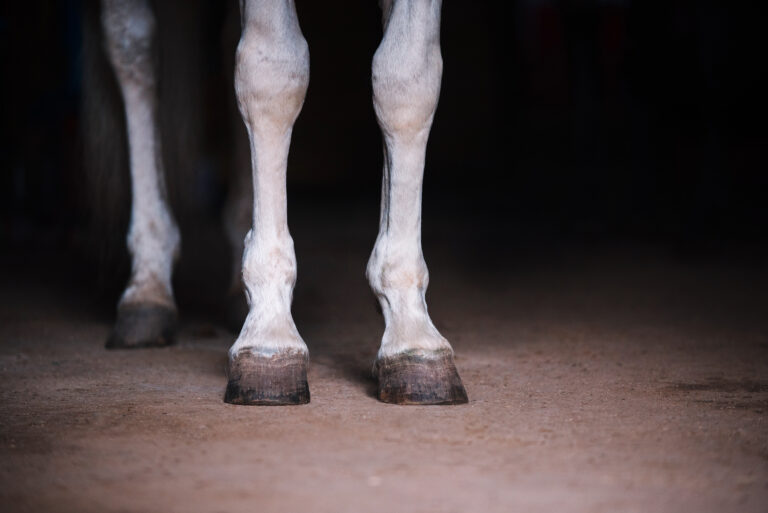
Things he said owners can look for include horses that are foot-sore, especially after being shod or trimmed. They can look for signs of divergent hoof growth, where the growth rings on the side of the hoof are wider at the heel than at the toe.
Knowles also urged owners to talk to their farriers, who can pick up on early signs of tearing and bruising indicative of mild laminitis.
Related Content
- The Benefits and Uses of Woodchip Paddocks
- Pasture and Obesity Effects on Pony Laminitis Risks
- Caring for the Laminitic Horse on Stall Rest
Sign up for My Senior Horse’s FREE newsletter to get the latest information about equids 15 years and older delivered straight to your inbox!
-
View all posts
Alexandra Beckstett is a lifelong horse owner and an award-winning writer and editor. She is the editorial director of EquiManagement and MyNewHorse.com, prior to which she spent 13 years with The Horse/TheHorse.com.