
Equine metabolic syndrome is a collection of risk factors associated with an increased risk of endocrinopathic (pasture-related) laminitis. Having low levels of a hormone called adiponectin is an important risk factor for metabolic disease and endocrinopathic laminitis, and it is often associated with insulin dysregulation.
Recent Research
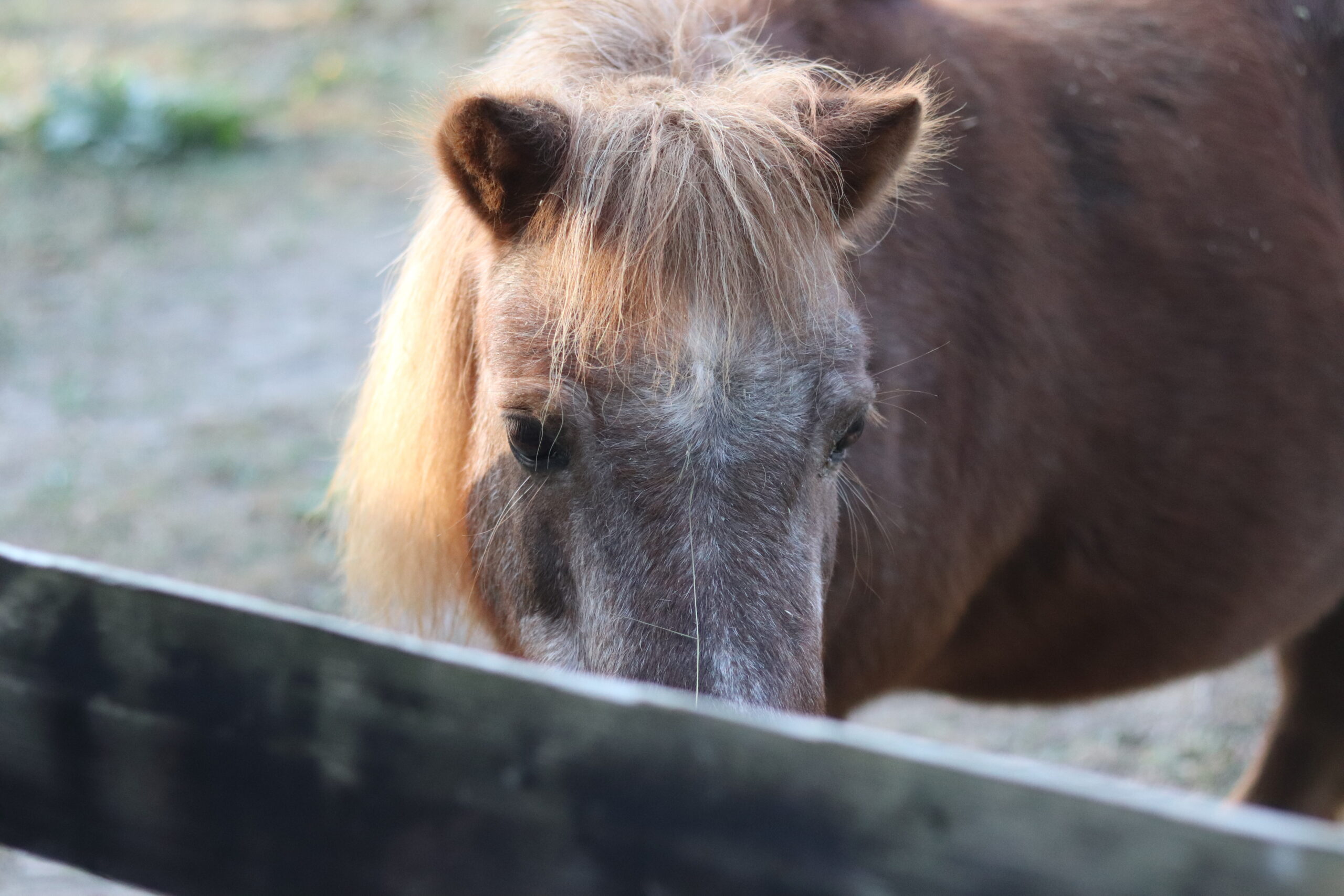
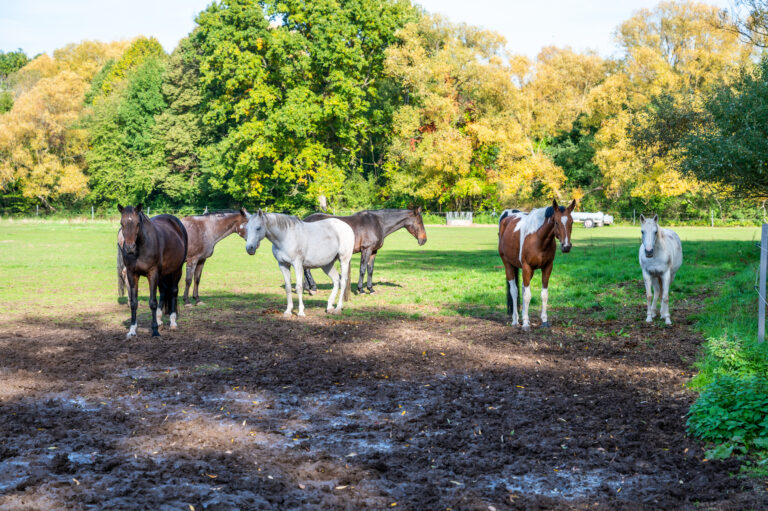
A study published in early 2025 looked at seven healthy ponies with no history of laminitis or insulin dysregulation (ID) while they were grazing at pasture. This research investigated the effects of grazing and obesity on insulin and adiponectin in ponies. The ponies were monitored over late spring/summer, with a focus on body measurements, insulin, adiponectin, and grazing conditions.
This research was titled “Effects of pasture consumption and obesity on insulin dysregulation and adiponectin concentrations in UK native-breed ponies.” Marine A. Barnabé, Jonathan Elliott, Patricia A. Harris, and Nicola J. Menzies-Gow authored the research. Equine Veterinary Journal published the research in April 2025.
Study Design
Seven native-breed ponies with normal insulin levels and healthy body condition scores (BCS) were allowed to graze until they became obese (BCS of 7 on a scale of 9).
Ponies were then maintained at a BCS of 7/9 until completion of the study at Week 22.
Insulin, adiponectin, and pasture conditions (grass height and vigor) were measured every two weeks. The researchers noted that stressed grass is likely to have a high non-structural carbohydrate (NSC) content per blade of grass. In addition, long, lush grass is likely to provide greater non-structural carbohydrate content per mouthful or per day because of its greater herbage yield. Both scenarios could result in higher non-structural carbohydrate intake.
Results
All ponies in this cohort developed ID at some point during the study. However, the ponies’ insulin levels varied throughout the study, sometimes changing from week to week. Five of the ponies consistently had insulin dysregulation throughout the study, but the remaining two ponies only had insulin dysregulation some of the time.
During the study period, adiponectin decreased in all ponies, particularly from Weeks 10 to 22. This decrease was gradual at first. There was a marked drop from Weeks 8 to 10. That is when most ponies reached a body condition score of at least 7 and were considered obese. In six of the ponies, adiponectin dropped below the normal range during the study.
All ponies had the same environmental risk (pasture) in this study, but researchers said all had different responses in terms of weight gain and changes in ID status.
“Some animals became insulin dysregulated very soon after being turned out to pasture and remained insulin dysregulated throughout, while others remained non-insulin dysregulated for most of the study despite showing substantial weight gain,” they noted. “One pony failed to become obese during the study but was insulin dysregulated and consistently had very low adiponectin throughout the study period.”
Although the ponies’ baseline insulin levels did not change during the study, their insulin responses to an oral sugar test, which is used to diagnose insulin dysregulation, increased at several timepoints (Weeks 14, 16, and 20). In addition, the ponies’ tissue insulin sensitivity, which is measured using a different test, also decreased throughout most of the study (Weeks 2-6 and Weeks 12-20).
Pastures and Weight
Pasture conditions were scored from 1 to 10 every two weeks, based on the height and vigor of the grass, with 10/10 being very high, lush grass. Pasture score that were either very low (3/10; short, stressed grass) or very high (8-9/10; long, lush grass) were associated with low tissue insulin sensitivity. Low pasture scores were also linked with low adiponectin.
Changes in belly girth and heart girth were strongly linked to weight gain. This suggests that these two measurements—which can be measured simply using a tape measure—may be useful for regular monitoring of weight gain/loss when a weighbridge (scale) is not available.
Body condition scores were associated with insulin levels both at baseline and after an oral sugar test, and with tissue insulin sensitivity, but not with adiponectin.
Laminitis
Two of the eight ponies developed mild laminitis during the study, despite having normal insulin at baseline and after an oral sugar test just before the study and having no signs of previous laminitis. The researchers stated, “Non-laminitic animals would not typically undergo regular insulin testing when turned out to pasture, especially if they do not show weight gain. This study suggests that [insulin testing] is a valuable approach for any animals with predisposing risk factors (e.g., breed or activity level).”
Conclusions
Six of the seven ponies developed low adiponectin levels. All seven ponies showed insulin dysregulation during the study, either consistently or at certain times only. Short, stressed grass and long, lush grass both had associated decreases in tissue insulin sensitivity.
(Editor’s note: This study was supported by grants from Waltham Petcare Science Institute and the Royal Veterinary College Mellon Fund.)
Previous Research
Relationships between total adiponectin concentrations and obesity in native-breed ponies in England. Marine A. Barnabé, Jonathan Elliott, Patricia A. Harris, Nicola J. Menzies-Gow. Equine Veterinary Journal 2023.
Further Reading
- Quantifying Endocrinopathic Laminitis Risk in Ponies. Carly Sisson. MySeniorHorse.com
- Caring for the Laminitic Horse of Stall Rest. with Dr. Nicola Jarvis. MySeniorHorse.com
- Insulin Dysregulation and Cresty Neck Score. MySeniorHorse.com
- Day and Time Effect on Pasture NSC and Insulin in ID Horses. Kimberly S. Brown. MySeniorHorse.com
- ECEIM consensus statement on equine metabolic syndrome. 2019. Andy E. Durham, Nicholas Frank, Cathy M. McGowan, Nicola J. Menzies-Gow, Ellen Roelfsema, Ingrid Vervuert, Karsten Feige, Kerstin Fey. Journal of Veterinary Internal Medicine.
- What is Equine Laminitis? Dr. Nicola Menzies-Gow. MySeniorHorse.com
- Long-Term Canagliflozin ID Treatment. Kimberly S. Brown. MySeniorHorse.com
- Feeding Horses and Ponies Prone to Laminitis: Part 1. Sarah Nelson. MySeniorHorse.com
- Feeding Horses and Ponies Prone to Laminitis: Part 2. Sarah Nelson. MySeniorHorse.com
- Characteristics of Equine Metabolic Syndrome. Dr. Simon Bailey. MySeniorHorse.com
- Owner Knowledge of Equine Endocrine Disease. Kimberly S. Brown. MySeniorHorse.com
- Farrier Knowledge of Equine Endocrine Diseases. Kimberly S. Brown. MySeniorHorse.com
- Assessing Your Animal’s Risk of Laminitis. Dr. Ed Knowles. MySeniorHorse.com
- Characteristics of the Equine Metabolic Syndrome. Dr. Simon Bailey. MySeniorHorse.com
- Horse Breeds, PPID, and Insulin Dysregulation. Kimberly S. Brown. MySeniorHorse.com
Sign up for My Senior Horse’s FREE newsletter to get the latest information about equids 15 years and older delivered straight to your inbox!