Transitioning senior horses from winter to summer feeding can be a challenge. In this podcast, we talk to Vanessa Allen to get tips on helping seniors transition to a summer feeding program.
Allen has been a nutrition advisor for Mars Horsecare in the UK since 2013. Prior to joining Mars, Allen was a research assistant at the University of Cambridge for nine years. She also has experience in the horse racing industry and a background and in top-level eventing.
(Editor’s note: The content of this podcast is the expert’s approach to the topic. Please consult with your practitioner if you have questions.)
Start With the Individual
When determining the timing of moving horses from a winter to a spring/summer feeding schedule, you must consider the individual, said Allen.
“I know here in the UK often people will say, ‘Oh, the clocks have changed, so we’re turning the horses out on their summer grazing’ or whatever,” said Allen. “And actually with changing weather patterns, we need to
react to what’s going on in the paddock and what’s going on with our horses rather than the dates on the calendar.
“We’ve had a very mild winter this year in the UK,” she continued. “The grass is flying through now, and we’re already above average growing figures here.”
She added that owners need to pay attention to the horse’s clinical issues. Also, know whether the horse is a “good-doer” and has been on restricted feeding for the winter to support weight lost.
“If they’re a good-doer, maybe you’ve had them on restricted grazing or restricted forage rations and restricted bucket feed rations,” said Allen. “Then, maybe you actually don’t need to change much to keep them a healthy weight.”
Weight of the Issue
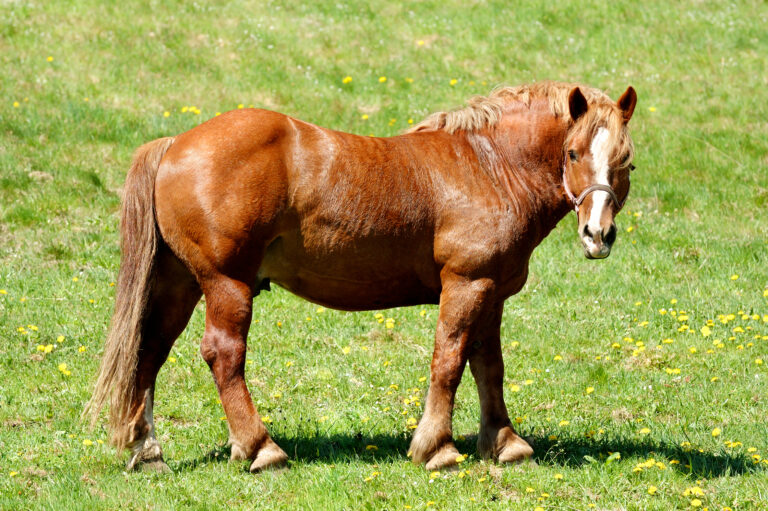
Allen said if a horse is carrying excess weight after winter, “We don’t want to suddenly go, ‘Oh, it’s summer, here’s loads of grass. Off you go.’ Then you see them put on more weight very quickly.”
On the other hand, she said there are horses that typically lose weight in the winter. She said nutritionists get a lot of calls in late March and early April where people say their old horse wasn’t too bad in January, but they’re now looking quite poor.
What should they do with spring/summer feeding?
“Actually, the horse perhaps had enough fat reserves to last most of the way through winter,” Allen noted. “Then it gets to the end [of winter], and the horse looks a little bit light.
“Those are the ones you may need to keep on their winter regime a bit longer,” she advised.
If a horse has lost weight over winter for the first time, “I would suggest the best thing that the owner can do is ring a nutrition specialist and talk about the situation,” said Allen.
If you have never had to feed your horse extra during winter and spring before, “you might be starting on a new path and a whole new management system,” she said. If the horse has lost excessive weight, it’s going to need a different feeding program for winter and spring/summer.
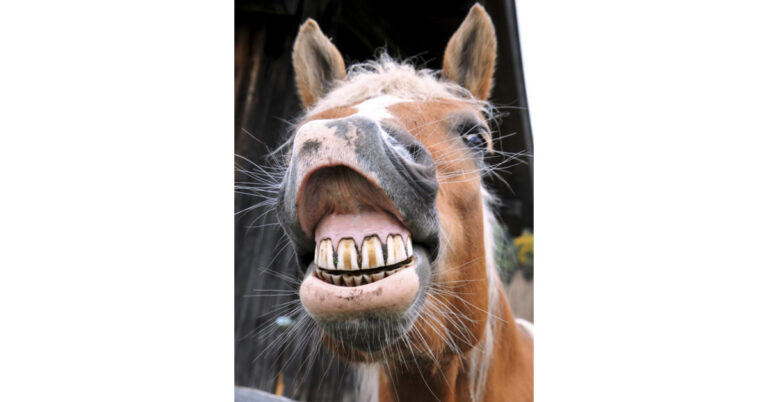
Watch your senior horse’s body condition over winter, she advised. “And make sure to determine if they have dental concerns,” Allen added. “They might need to stay on a forage replacer all year round” if they have dental issues that prevent them from grazing and chewing forage.
Transition Time
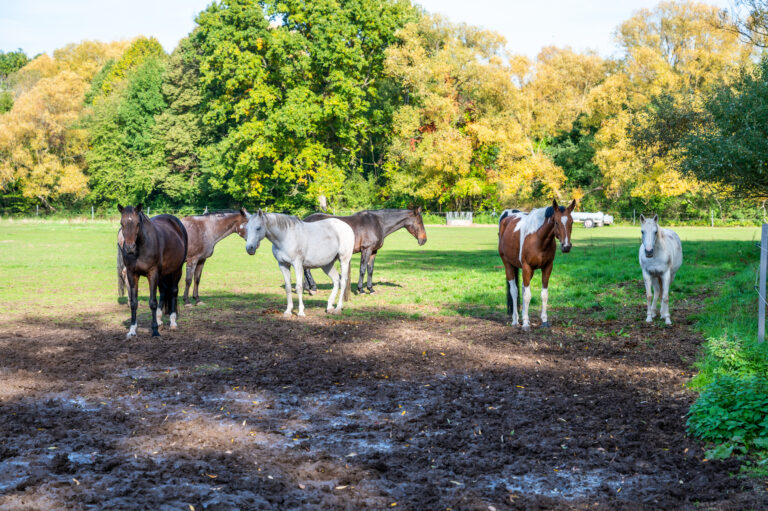
The gold standard is to transition slowly from winter mud or dirt paddocks that are ‘poached’ or overgrazed to spring/summer pasture, she said.
“Change the horse over half an hour for a day. The next day, maybe give them an hour on that paddock,” said Allen. Then add another hour, and another hour.
“Sudden changes of diet can cause digestive disturbance, and with these senior horses, that could be even more challenging,” she added. “We know that their digestive system is not quite so robust in some cases. And again, those with dental issues, it may be even more of a challenge.
“So really make these changes from winter to summer paddocks slowly,” she stressed.
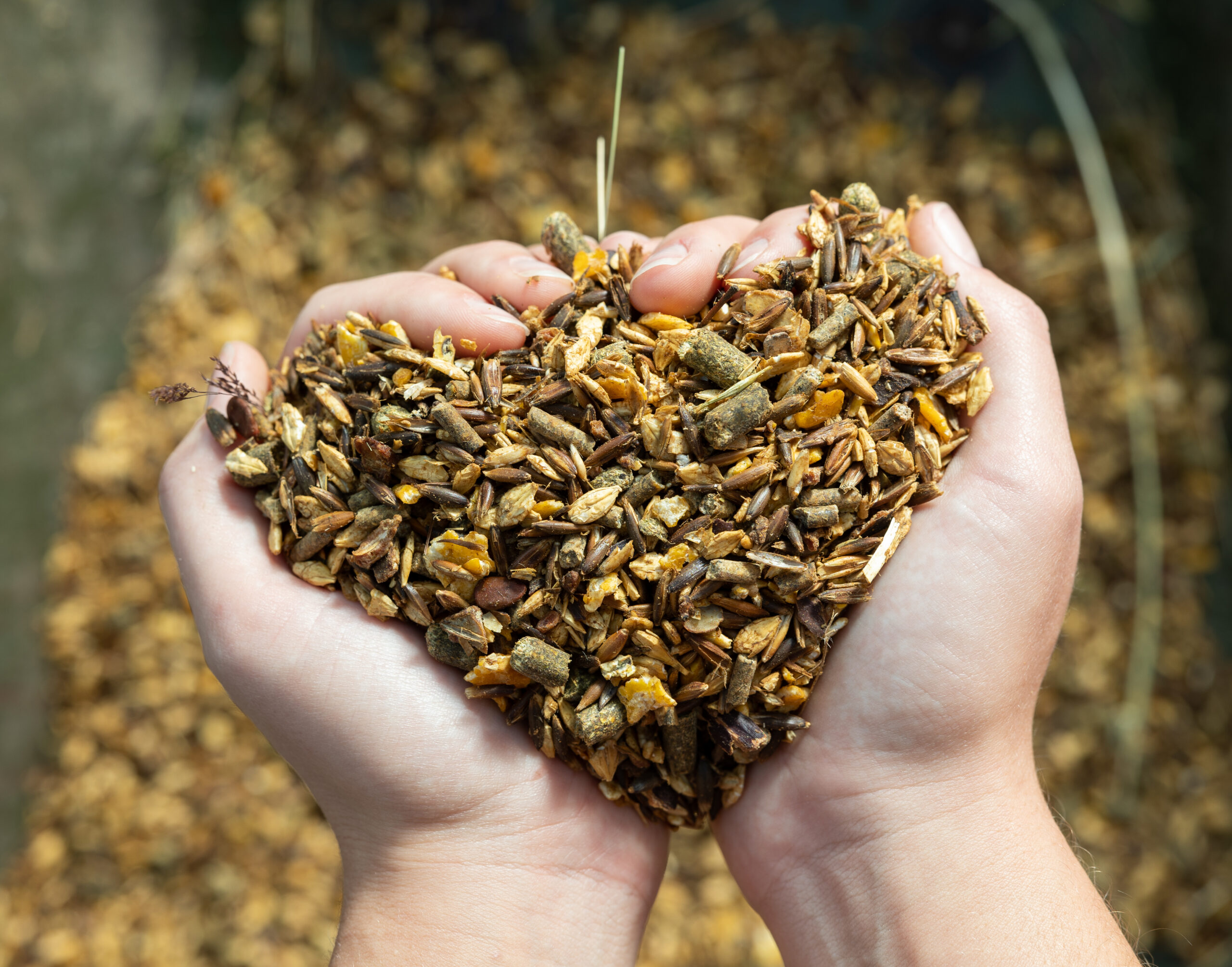
The same is true with bucket feeds. “Don’t just suddenly take them off their winter ration and change them to that spring/summer ration,” said Allen. “Just plan ahead, look at what you’ve got, and allow time to do things gradually.”
She added with a laugh, “Of course, bringing them back in [from grass] might be an issue! I have some that go, ‘I think I’ll play catch today.'”
More Grass, Less Other Feed
Feed normal morning or evening rations before turning the horse out to summer pasture. This helps with the transition.
“So yes, if they’re used to having a breakfast, continue to give them a breakfast. Even if it’s a smaller breakfast, just give them a little something,” Allen advised.
When horses have spent more time on lush grass, they might not be so hungry when they come in at the end of day, said Allen. “That’s really common. So, they may not want their breakfast because they’re like, ‘Let me out!’ Then when they come in, they may say, ‘I’m quite full now.’ Then you feed a smaller dinner.”
Words of Warning
While green grass is a godsend for some poor doers when it comes to feeding, it can put other horse owners in a tricky situation, noted Allen.
Horses with PPID (pituitary pars intermedia dysfunction, or Cushing’s disease), tying-up, laminitis, or other metabolic conditions will need special feeding management. Some might not be able to go out on grass at all, or they will have to be restricted. So, your ‘good-doer’ horses need restricted access to rich grasses, whereas ‘poor-doers’ thrive from more access to calories.
Feeding management based on the individual is critical, as Allen stated above. She says keeping track of body condition score is very important.
Allen talked about grazing and feeding options for these challenged horses in the podcast. She included strip and track grazing situations.
She advised allowing horses to pick at forage all day rather than “guzzling down” their ration in a half-hour or an hour. “Then they are standing for several hours without,” said Allen.
Also keep an eye on each horse’s fecal output when changing feeding schedules, said Allen. “Just be really aware of what’s going in and what’s coming out.”
Related Content
- My Senior Horse Podcast: Forage Substitutes. Kimberly S. Brown with Vanessa Allen. MySeniorHorse.com
- Tips on Feeding Older Horses With Dental Issues. Patricia A. Harris, MA, PhD, VetMB, DipECVCN, MRCVS. MySeniorHorse.com
- Help! My Senior Horse is Losing Weight! Dr. Nettie Liburt. MySeniorHorse.com
- Developing a Feeding Plan for Your PPID Horse or Pony. Dr. Pat Harris. MySeniorHorse.com
Sign up for My Senior Horse’s FREE newsletter to get the latest information about equids 15 years and older delivered straight to your inbox!