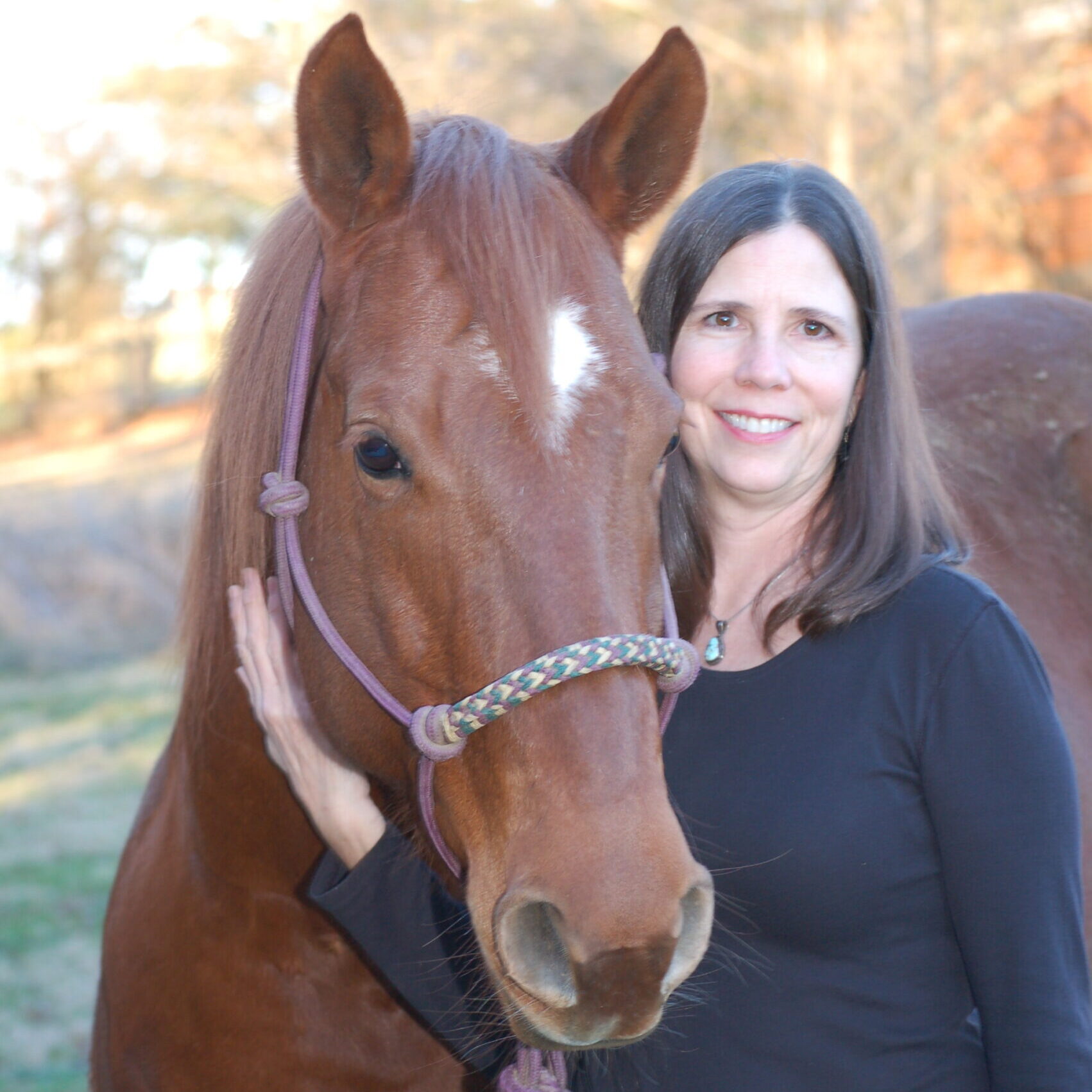
Do senior horses need to be vaccinated differently from younger horses? In this video, Dr. Kate Christie discusses vaccination protocols for senior horses.
Christie, who is boarded in internal medicine, is a shareholder in Rood & Riddle Equine Hospital in Kentucky. Her main areas of interest include gastrointestinal disease, metabolic disease, and neonatal medicine.
(Editor’s note: The content of this video is the expert’s approach to the topic. Please consult with your practitioner if you have questions.)
Core Vaccines for Senior Horses
There are some important things to consider when planning a vaccination program for a senior horse, Christie said.
“With older horses, the important thing to realize is our immune systems become less and less effective over time,” she said. “It doesn’t seem to be as big a factor in horses as it is in humans. But, it is important to keep our equid companions safe against transmissible diseases.”
Vaccinate every horse against Eastern and Western equine encephalitis (EEE and WEE), tetanus, and rabies, she said. “These are core vaccines for every horse,” she explained. “Those are things your horse can contract at home, even if they never leave the property.”
Risk-Based Vaccines
The main risk-based vaccines senior horse owners should consider are for equine influenza and equine herpesvirus. Christie said those diseases can cause more clinical signs in older horses, and older horses could develop more complications.
Other risk-based vaccines are based on where you live. Those can include Potomac horse fever and botulism.
Christie encouraged senior horse owners to discuss vaccination needs with their veterinarian to get recommendations based on their specific horse and region.
The Senior Horse’s Immune System
“Owners might think, ‘Oh, my horse has been vaccinated every single year, surely they have this long-built immunity,'” Christie said. “They actually did an interesting study where they showed that with every year a horse ages past the age of 15, they are 40% less likely to be vaccinated for our core diseases.”
The immune build-up from previous vaccinations is not sufficient to protect horses from potentially fatal diseases such as tetanus and rabies, she stated. “So, it is really important to continue to vaccinate them over time.”
Some research shows that humans have less of an immune response to vaccinations as they age. “That doesn’t seem to be as important a factor in horses, but it has been shown for the equine influenza virus,” Christie said. “It’s possible you might have to vaccinate your older horse more frequently for specific things.”
Vaccination Reactions
Christie said older horses don’t seem to be at higher risk for vaccine reactions compared to younger horses. Horses with a history of vaccination reactions can have injections spaced out over time, she said.
Discuss reactions and vaccination schedules with your veterinarian.
Related Content
- Understanding Aging Equines. Kimberly S. Brown. MySeniorHorse.com
- How Long Can A Horse, Donkey, or Mule Live? Kimberly S. Brown. MySeniorHorse.com
- My Senior Horse Podcast: Annual Wellness Exam. Dr. Toby Pinn-Woodcock with Kimberly S. Brown. MySeniorHorse.com
- Understanding the Aging Equine Immune System. Alexandra Beckstett. MySeniorHorse.com
Sign up for My Senior Horse’s FREE newsletter to get the latest information about equids 15 years and older delivered straight to your inbox!