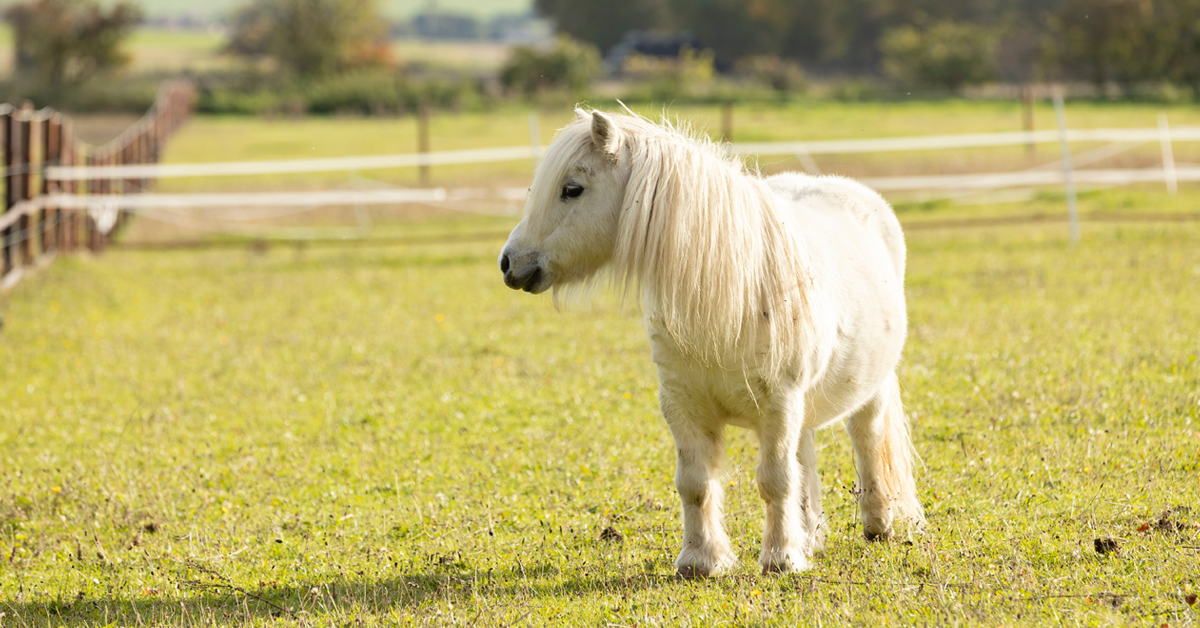
Proper management of a senior pony is important for the animal’s health and welfare. Many horse people had a senior pony while learning to ride. Ponies are sturdy, opinionated, and tough—just the thing a young rider needs to become a better equestrian. But even though they are tough, senior ponies need good nutrition and regular health care and maintenance.
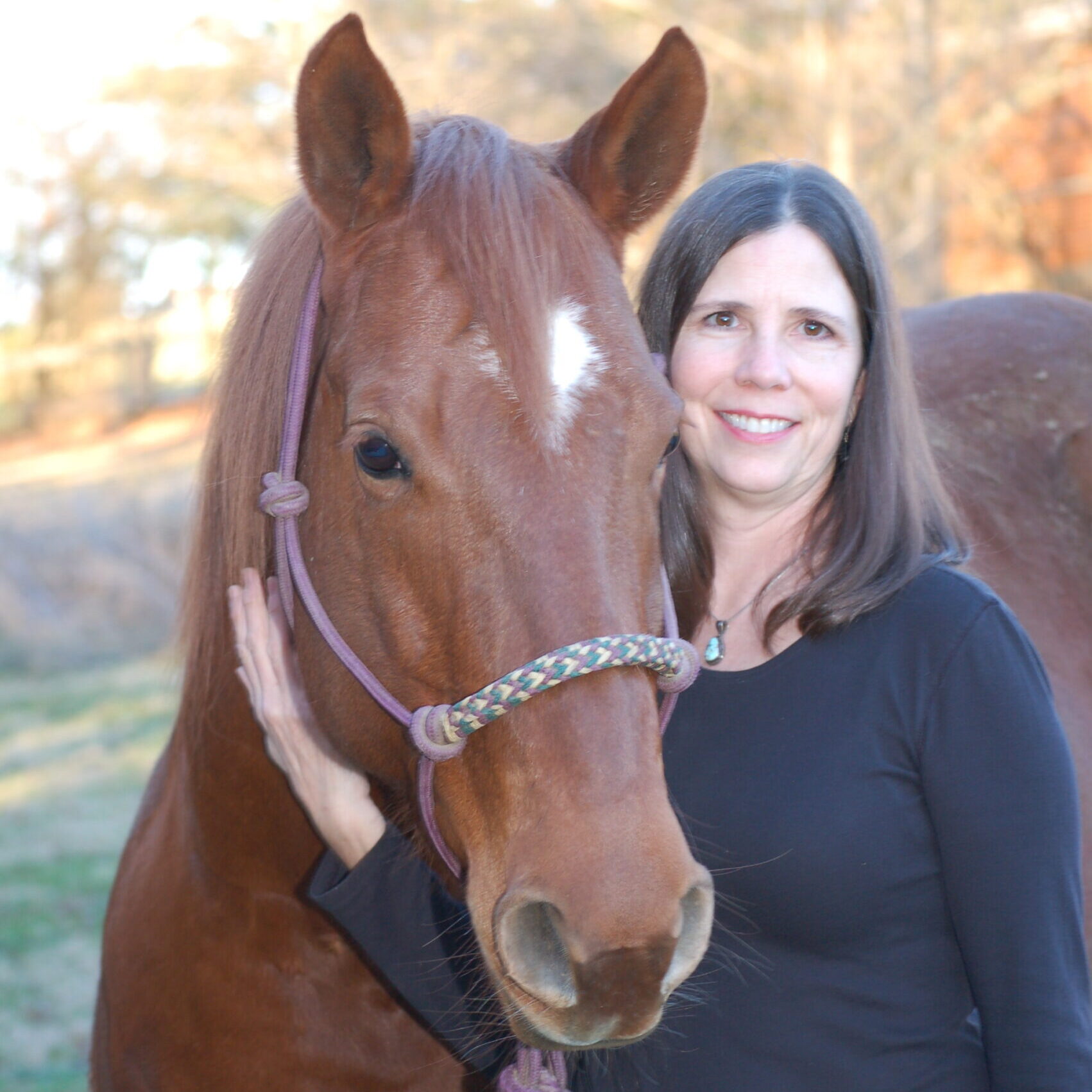
Dr. Shannon Pratt-Phillips of North Carolina State University is our guest on this podcast. She teaches basic equine science, advanced equine nutrition, and exercise physiology. (See more about Phillips below.)
(Editor’s note: The content of this podcast is the expert’s approach to the topic. Please consult with your practitioner if you have questions.)
Senior Pony Nutrition
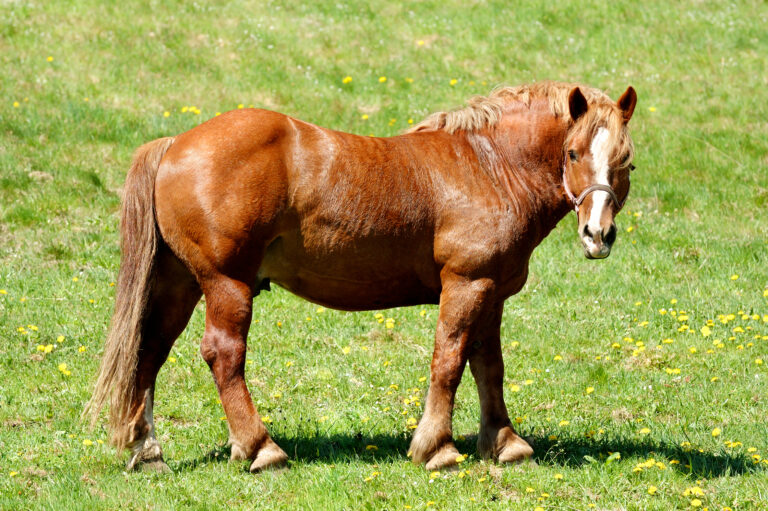
Phillips said many pony breeds originate from harsher climates. “They tend to be a little bit hardier than our typical horses,” she explained. “So, anytime we’re feeding a pony, we need to make sure they are being fed the appropriate energy [calorie] intake to accommodate for their slightly slower metabolism. This is partly because we know that ponies are so prone to obesity in general.”
Phillips said senior ponies have some of the same health concerns as other senior equids, such as PPID (pituitary pars intermedia dysfunction, formerly known as Cushing’s disease). They also can be prone to obesity and equine metabolic syndrome, which is associated with laminitis and insulin dysregulation.
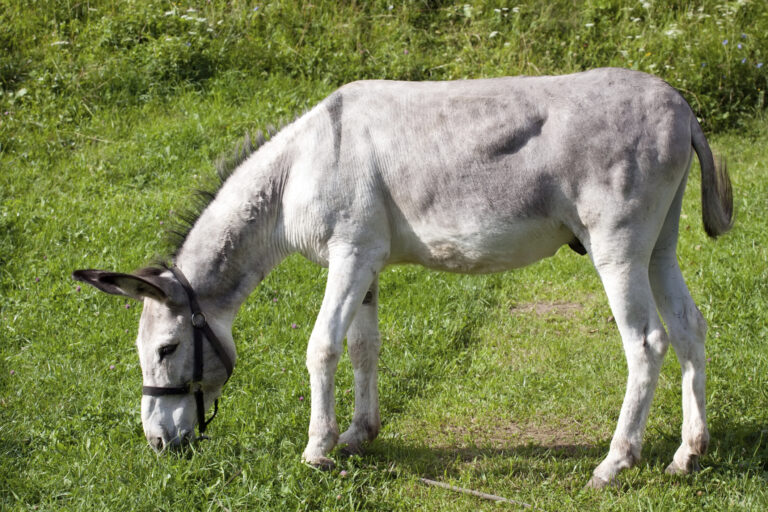
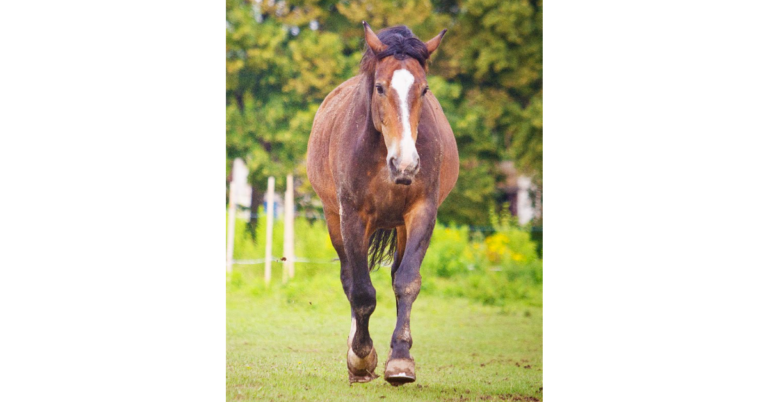
Take regular photos of a senior pony to help you recognize weight gain or loss, recommended Phillips. These subtle changes can be hard to see at first when you manage horses on a daily basis. She mentioned using weight tapes, muscle atrophy scoring, heart girth circumference, and belly girth circumference to judge body condition issues.
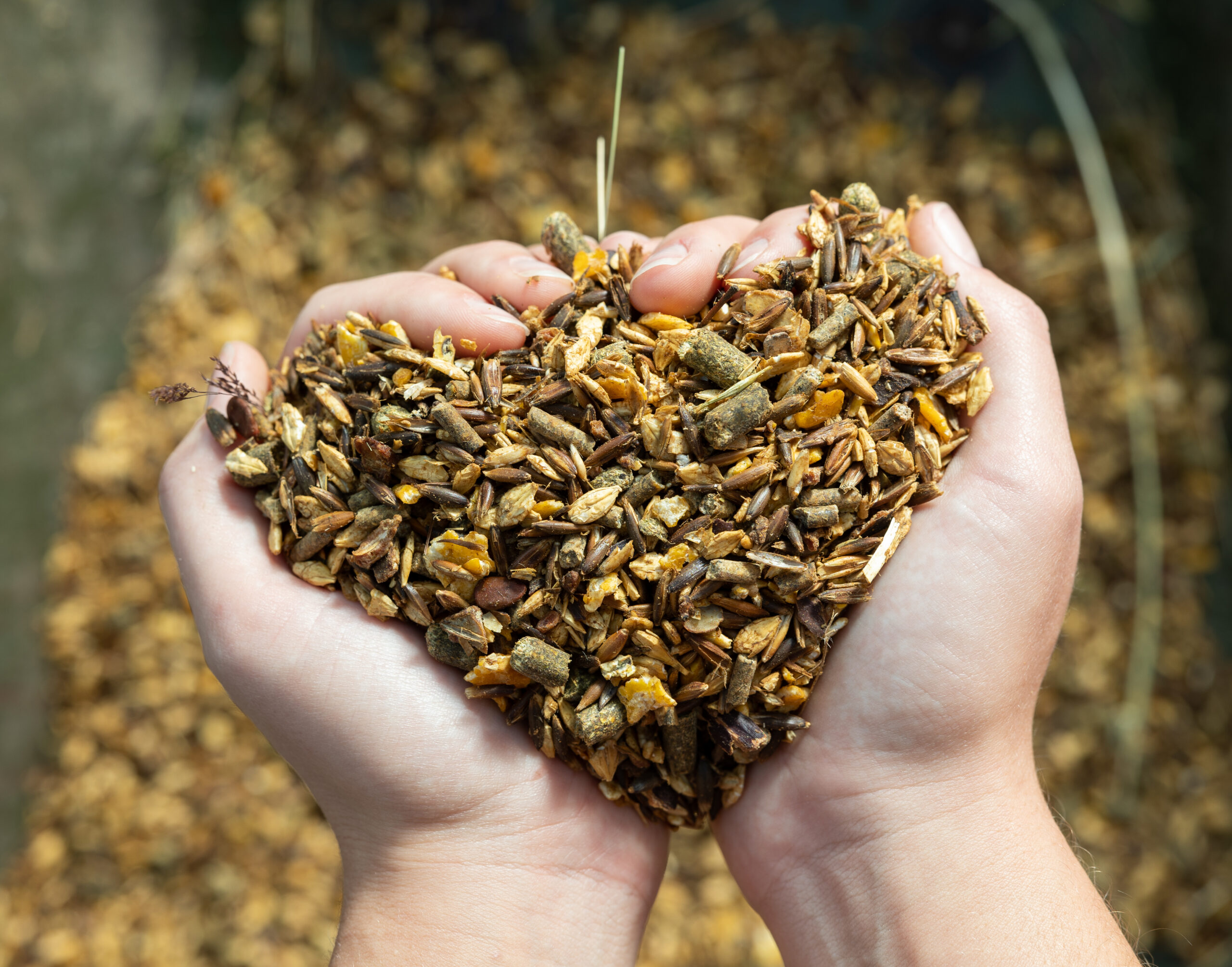
Phillips talked further about senior pony nutrition in the podcast. She discussed vitamins, minerals, types of feed, and working with horses that have fewer teeth. (See additional information on these topics in the Related Content section below.)
Dental Care
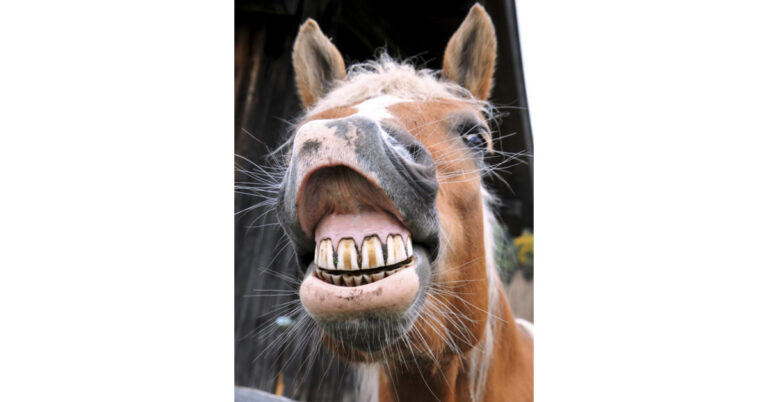
Phillips said we must also consider older ponies’ dentition. She said working closely with your veterinarian and equine dentist will ensure you are feeding the pony appropriately based on its teeth.
Watching your senior pony eat is a great way to notice dentition issues, Phillips said. If a senior pony is dropping food or rolling forage up in a wet ball and spitting it out (quidding), owners should have the animal’s teeth examined. She said tooth issues can affect the pony’s weight and type of feed it requires.
Social Status and Feeding
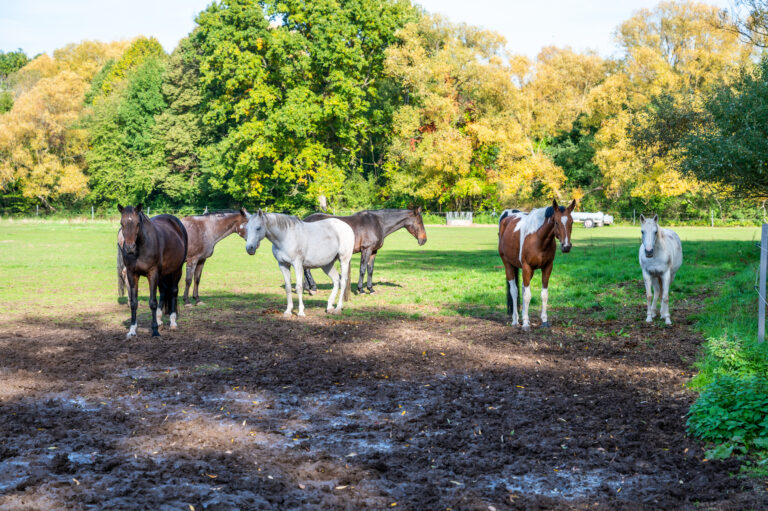
Like any senior equid, senior ponies need their social welfare managed. Phillips said owners need to carefully manage a senior pony in a larger group at pasture receiving supplemental feed or hay. “There might be some competition around it,” she said.
She noted that while some ponies become obese, others lose weight. “But as horse owners, we can monitor weight and body condition score,” she advised.
Phillips added that as horses get older, they tend fall lower on the pecking order in the herd. “So, if you are feeding additional hay in the winter, some of those older ponies might be pushed away from getting their fair share,” she said.
General Care for Senior Ponies
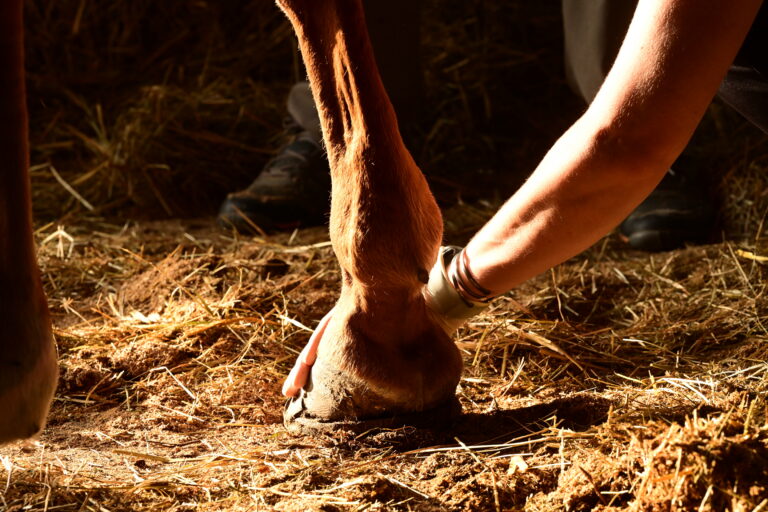
Observation is key when caring for senior ponies. Phillips said to watch for lameness, arthritis, colic, and any signs the animal is not eating normally.
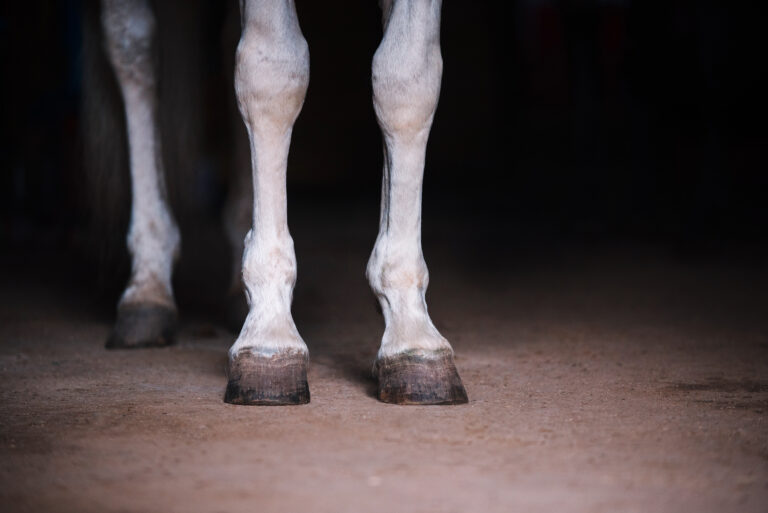
“Watch them move,” she advised. “Make sure that they are putting weight on all four legs equally. Horses that are developing laminitis tend to shift their weight off of their front feet.”
Rider Weight and Pony Carrying Capacity
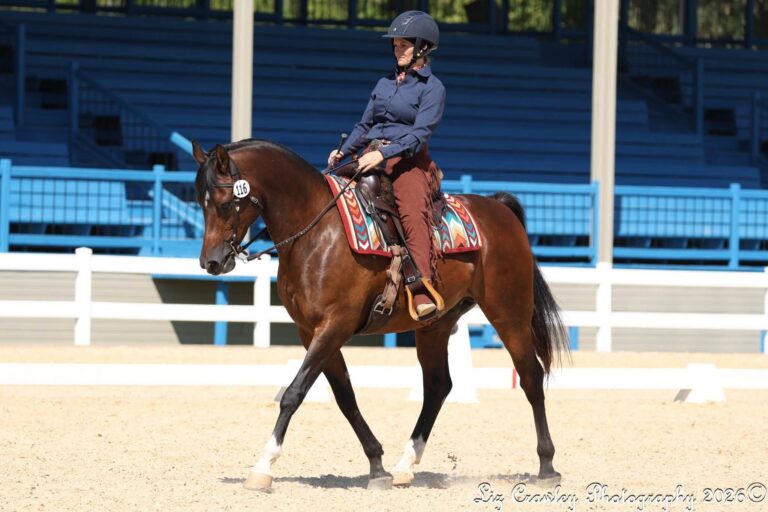
It is important that senior ponies continue to get exercise, said Phillips. However, research has suggested that equids shouldn’t carry more than 15%-20% of their body weight.
“That 15% to 20% is kind of a suggestion,” said Phillips. “But I think as a horse gets older, and they do start to lose some muscle mass, you probably want to be hovering closer to that 15% as being that upper limit.”
If the pony struggles with laminitis or arthritis, it might eventually need to retire from ridden work, she noted.
“Look at their body weight and their workload, and try to work to really make sure that their exercise is appropriate, their weight carriage is appropriate, and their calorie intake is meeting those needs,” concluded Phillips.
About Dr. Shannon Pratt-Phillips
Dr. Shannon Pratt-Phillips is a Professor in the Department of Animal Science at North Carolina State University. She teaches basic equine science, advanced equine nutrition, and exercise physiology. Phillips also conducts research in the area of equine nutrition, focusing largely on obesity, insulin dysregulation, and laminitis prevention and management. She is active in numerous professional organizations, including the Equine Science Society, where she is the immediate past-president, the American Academy of Veterinary Nutrition, and the American Registry of Professional Animal Scientists, to name a few.
Related Content
- A Guide to Equine Body Condition Scoring. Sarah Nelson. MySeniorHorse.com
- How Long Can A Horse, Pony, Donkey, or Mule Live? Kimberly S. Brown. MySeniorHorse.com
- Body Condition Scoring: Body Condition Index and Other Techniques. Sarah Nelson. MySeniorHorse.com
- Equine Muscle Mass: Detecting and Monitoring Changes. Alisa Herbst, PhD. MySeniorHorse.com
- Understanding EOTRH: A Common Dental Disease in Senior Horses. Kimberly S. Brown with Dr. Jack Easley. MySeniorHorse.com
- My Senior Horse Podcast: Dental Care. Kimberly S. Brown with Dr. Jack Easley. MySeniorHorse.com
- Feeding Senior Horses According to Their Dental Health. MySeniorHorse.com
- Feeding Horses that Can’t Eat Long Fiber. Alex Beckstett. MySeniorHorse.com article and video
Sign up for My Senior Horse’s FREE newsletter to get the latest information about equids 15 years and older delivered straight to your inbox!