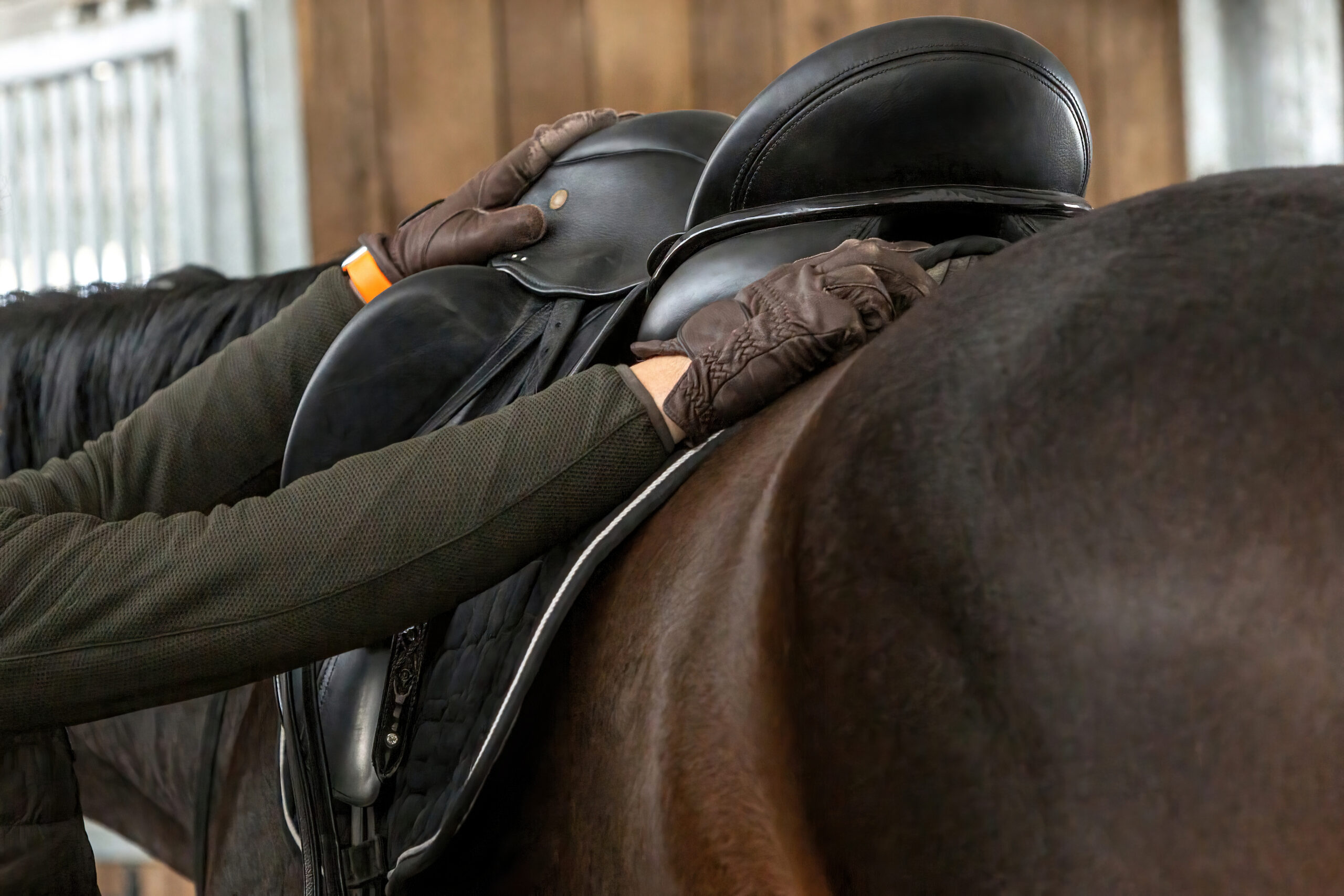
All ridden horses, regardless of their age, need a well-fitting saddle with regular fit checks, according to an internationally recognized equine biomechanics expert. Some seniors, however, might need professional saddle fitting more than they did in years past.
Senior horses lose muscle tone across their backs more easily than younger horses, become more susceptible to back pain and lameness, and lose elasticity in soft tissues that can sometimes make them swaybacked. And transitioning from full-time athletic careers to reduced workloads or trail riding tends to cause shifts in back shape, making once-well-fitting saddles less comfortable, says Russell MacKechnie-Guire, BSc (Hons), PhD, FHEA, BHSI, owner of Centaur Biomechanics in Warwickshire, U.K.
“People tend to think, oh the horse’s back has been the same for years—of course the saddle still fits,” he says. “Or they say, well he’s just retired to the occasional hack now so it’s fine; I don’t have to worry about saddle fit. But actually, you do need to worry, because you’re still loading the horse’s back. The overarching thing is that saddle fit is essential, all the way through the life of the ridden horse. And if you haven’t considered the saddle, then I really question: What’s the benefit for the horse here?”
Saddle Fit for Comfort and Longevity
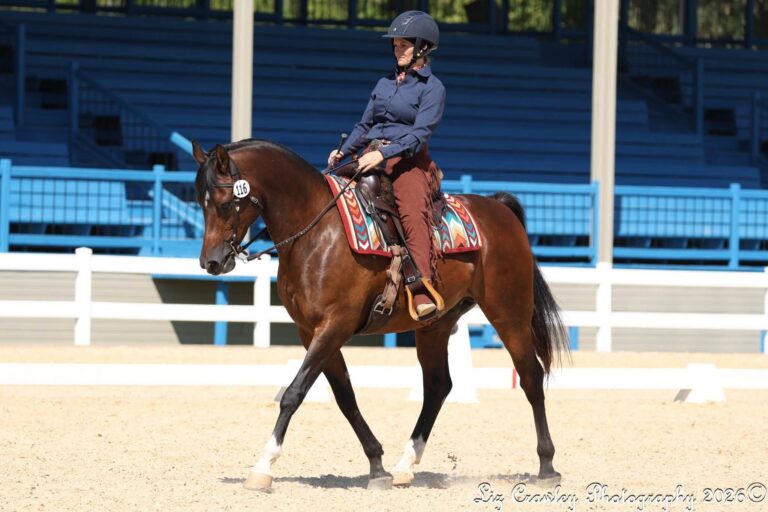
Saddle fit is critical for ensuring effective and comfortable distribution of a rider’s forces across the horse’s back, MacKechnie-Guire explains. Rider forces are double their weight at the trot and two and a half times their weight at the canter. Uneven pressure can be painful—especially if it’s concentrated in small areas or along the spine—and magnifies with movement.
Horses experiencing back pain from poor saddle fit have reduced welfare from acute pain during riding as well as chronic pain that lingers long after the saddle is removed, he says. They often make adjustments in the use of their muscles, back position, or gait to compensate for the discomfort, leading to strains, asymmetry, and other biomechanical problems. Horses can become lame, develop behavioral problems, and show resistance to work.
As such, all horses, including seniors, should have saddles that are expertly fitted to their unique backs, with a minimum of twice-yearly fit checks, recommends MacKechnie-Guire. While old horses don’t necessarily need saddle fittings more than younger horses, they need it for different reasons.
Older sport horses, for example, aren’t usually building up their athletic shape anymore. Instead, they’re experiencing natural consequences of aging, such as gradually reduced muscle tone and arthritic joints, meaning they might feel the effects of poor fit more than a younger horse would. “It’s just biology as the horse gets older,” MacKechnie-Guire says. “If you’re loading that horse using a poorly fitted saddle, you’re making that situation quite hard for him. And you’re going to reduce his longevity.”
He also recommends riding all older horses with a half pad to further dampen pressures. And they should have properly fitted girths—ideally with an ergonomic design, pressure-absorbing lining material, and buckles that are as high up as possible.
Don’t Overlook Horses in Low-Level Work
When seniors get semiretired to lower-level work or trail riding, MacKechnie-Guire says they might need more frequent saddle fittings, at least at first. As horses work less and spend more time on pasture, their backs evolve into a new shape. They’re still subject to the biological effects of aging, however, that make them susceptible to back pressure.
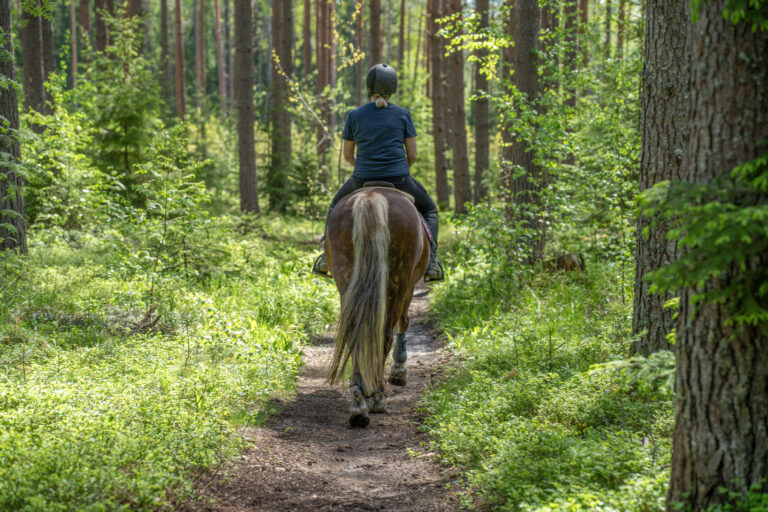
“So it’s the perfect storm, in a sense,” he says. “I hear people say, ‘Well I only go trail riding,’ and I say, ‘How long do you go for?’ They say two or three hours. Well, that’s two or three hours of your weight on a poorly fitted saddle. That horse is going to be compromised.”
To ensure proper fit during the transition period as horses retire from high-intensity to low-intensity exercise, MacKechnie-Guire recommends fit checks every couple of months until the horse’s shape stabilizes, and then a normal twice-yearly checkup schedule.
“The challenging thing for senior horses is that the back you fit the saddle to on Day 1 could easily deteriorate by Day 60, and that saddle may be out of balance,” he says. “It really depends on how the horse sustains or loses its condition.”
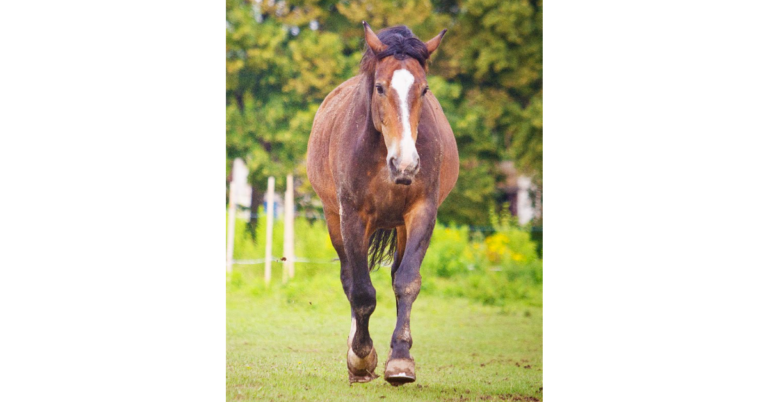
As for seniors who develop lordosis—or swayback—saddle fit is of upmost importance, MacKechnie-Guire says. Lordosis doesn’t mean horses can’t be ridden; it just means they need a precisely fitting saddle. “Fitters can adjust the panel, the depth of the panel, the materials in the panel, and several other things so as to really improve the fit for that individual horse that’s dropped down the middle,” he says. He recommends swayback seniors get fit checks four times a year as long as they’re continuing to be ridden.
Related Reading
- 4 Misconceptions About Senior Horses With Swaybacks
- My Senior Horse Podcast: Senior Exercise
- Managing Chronic Pain in Senior Horses
Sign up for My Senior Horse’s FREE newsletter to get the latest information about equids 15 years and older delivered straight to your inbox!
-
View all posts
Christa Lesté-Lasserre is a science journalist specialising in animal health and behaviour, life sciences, and evolutionary processes. Her articles and stories have appeared in major science magazines and literary reviews in multiple languages across the globe. Based in France's greater Paris area, Christa holds an MA from the University of Mississippi and a BA from Baylor University in Texas, complemented by postgraduate work in life sciences at the University of Paris René Descartes.
A Pulitzer Center grantee for her coverage of the COVID-19 pandemic for Science magazine and recipient of American Horse Publications awards for her articles on equine behaviour, Christa focuses on shaping scientific studies into the stories they tell.