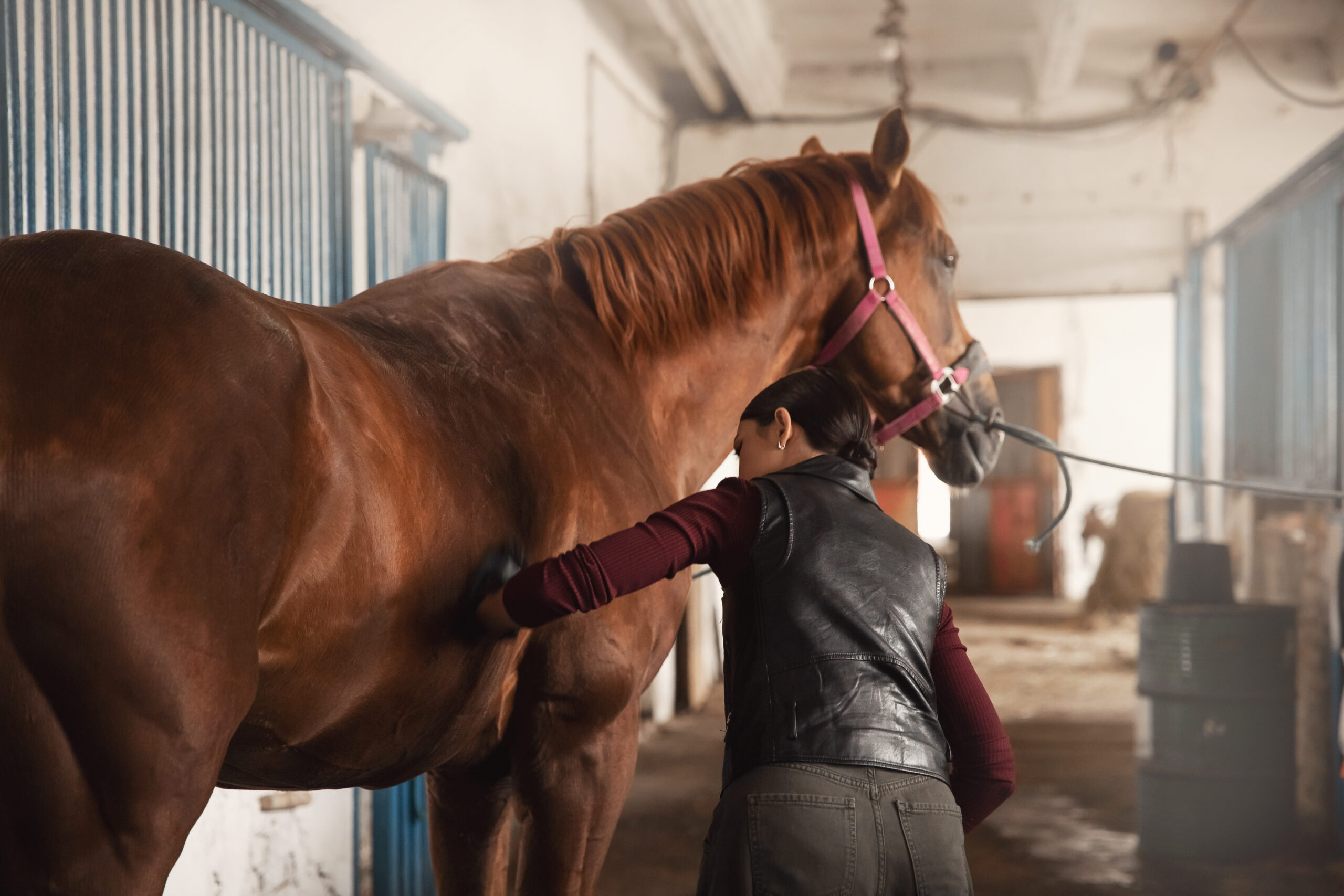
More than 60% of German horses over age 20 and 34% over age 30 are still working under saddle or harness, a new survey shows.
Even among retired horses, most were still doing groundwork or being walked, with only 6% being completely inactive. As these horses age, however, owners report shifts in feeding practices and social dynamics, including increased use of chopped forage and a gradual loss of social rank within the herd, says Heidrun Gehlen, PhD, Dipl. ECEIM, professor at the Equine Clinic at Freie Universität, in Berlin, Germany.
“These results highlight patterns in reported management practices and may inform future research or discussions on care strategies for older horses,” Gehlen states in her recent academic publication.
Survey Goals and Study Population
More than ever, horses are reaching what appear to be their natural life expectancies—as opposed to death due to predators, slaughter, or humane euthanasia in the face of once-complex veterinary problems. That’s likely due to improvements in management and veterinary care, especially as veterinarians’ approaches to senior horse health care are usually strongly influenced by the owners as primary caregivers, she says.
“Older horses rely on proactive owners to identify emerging issues, adhere to veterinary advice, and implement age-appropriate interventions, highlighting the central role of education in supporting optimal management,” Gehlen and her colleagues report.
Understanding management practices of geriatric horses could help scientists guide owner education and promote effective, welfare-oriented care for older horses, they explain. But there’s little information about what senior horse owners are already doing as a starting point.
To find out, Gehlen and her colleagues surveyed senior horse owners across Germany about housing, feeding, social contact, activity, and daily care practices. The study included 919 horses between 20 and 39 years old, with about one-fifth of them aged 30 or older. Most were geldings, while mares accounted for 42% of the study population.
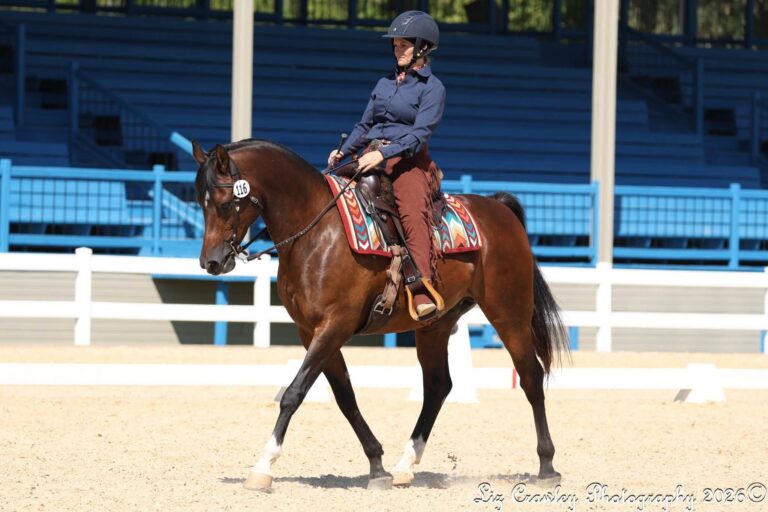
The horses remained active in a wide range of pursuits, including leisure riding, trail riding, dressage, jumping, eventing, endurance riding, driving, vaulting, and Western disciplines. Overall, 62% were still being ridden or driven. That proportion declined with age, however, from 78% among horses aged 20 to 24 years to 57% among those aged 25 to 29 years and 34% among horses aged 30 and older.
Owners devoted substantial time to their seniors. About 41% reported spending two hours a day caring for them, while another 28% spent three hours and 16% spent four hours or more. More than half of the horses were groomed daily, and nearly all were groomed at least once a week.
Nutrition and Housing Trends
As for feeding, owners increasingly replaced long-fibered dry roughage with pre-chopped roughage as horses aged, the researchers state. The proportion of horses receiving long-fibered dry roughage (standard hay) fell from 90% among horses aged 20 to 24 years to 69% among those aged 30 years and older, while the use of pre-chopped roughage rose from 21% to 73%.
Somewhat counterintuitively, however, the researchers say they found older and retired horses were less likely to receive vitamin and mineral supplements. Just over a third of horses aged 30 and older received mineral supplements, for example, compared to roughly half of those aged 20 to 24.
The trend does not fully align with current feeding recommendations, which generally call for senior horse diets to include appropriate vitamin and mineral supplementation alongside high-quality forage, they add.
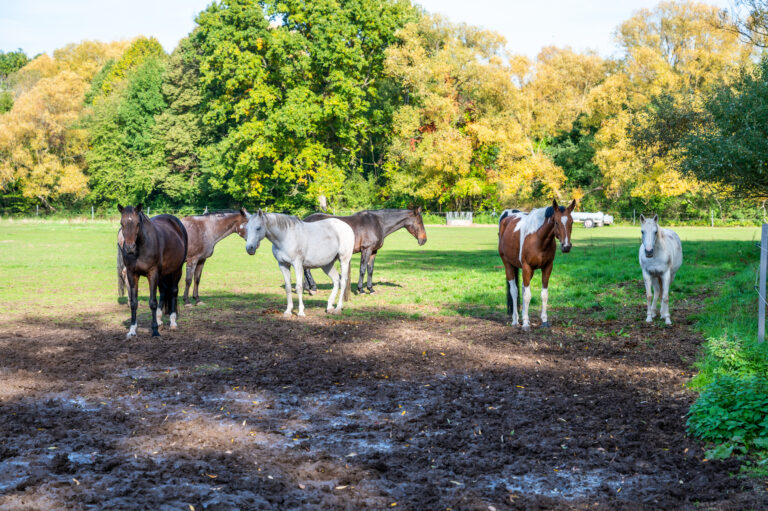
Housing also varied considerably, with nearly 60% of the horses spending at least part of the day in individual housing, about half experiencing some form of group housing, and 40% having pasture access. Across all groups, social isolation was rare, the researchers state. Nearly 87% of horses maintained direct physical contact with other horses, while only about 2% were limited to visual, auditory, and olfactory contact alone.
Owners also reported changes in herd dynamics as horses aged. Older horses were increasingly likely to lose social rank within their groups, with respondents reporting a decline in rank in 25% of horses aged 20 to 24 years compared with 41% of horses aged 30 years and older.
In Summary
The findings provide a snapshot of how German owners care for senior horses in their third and fourth decades of life. Far from being inactive retirees, many of these horses remained active, socially connected, and closely cared for well into old age, Gehlen says.
Diseases, vaccination and deworming routines, and dental and hoof care were documented as part of a separate study, the researchers add.
Reference
Czerner AC, Lindner A, Zeyner A, Wensch-Dorendorf M, Gehlen H. Geriatric Horses in Germany: Approaches to Nutrition, Housing and Overall Care. Animals (Basel). 2026 Mar 5;16(5):813. doi: 10.3390/ani16050813
Related Reading
- The University of Kentucky’s Aged Horse Research Program
- Vaccination Protocols for Senior Horses
- Caring for Senior Donkeys: Understanding Their Unique Needs
Sign up for My Senior Horse’s FREE newsletter to get the latest information about equids 15 years and older delivered straight to your inbox!
-
View all posts
Christa Lesté-Lasserre is a science journalist specialising in animal health and behaviour, life sciences, and evolutionary processes. Her articles and stories have appeared in major science magazines and literary reviews in multiple languages across the globe. Based in France's greater Paris area, Christa holds an MA from the University of Mississippi and a BA from Baylor University in Texas, complemented by postgraduate work in life sciences at the University of Paris René Descartes.
A Pulitzer Center grantee for her coverage of the COVID-19 pandemic for Science magazine and recipient of American Horse Publications awards for her articles on equine behaviour, Christa focuses on shaping scientific studies into the stories they tell.