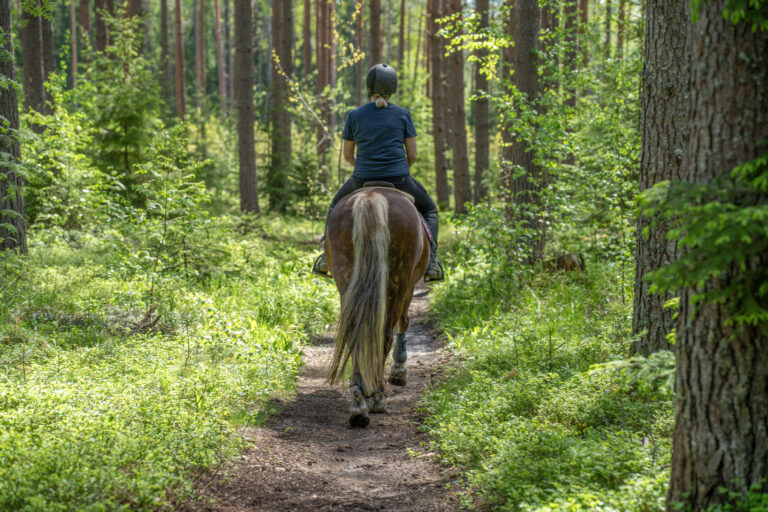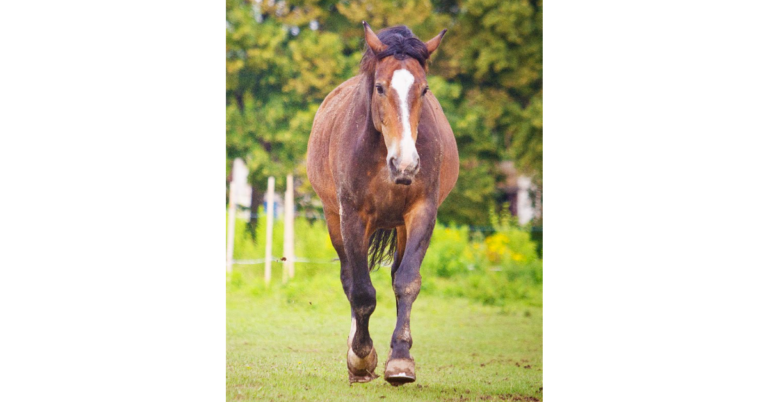
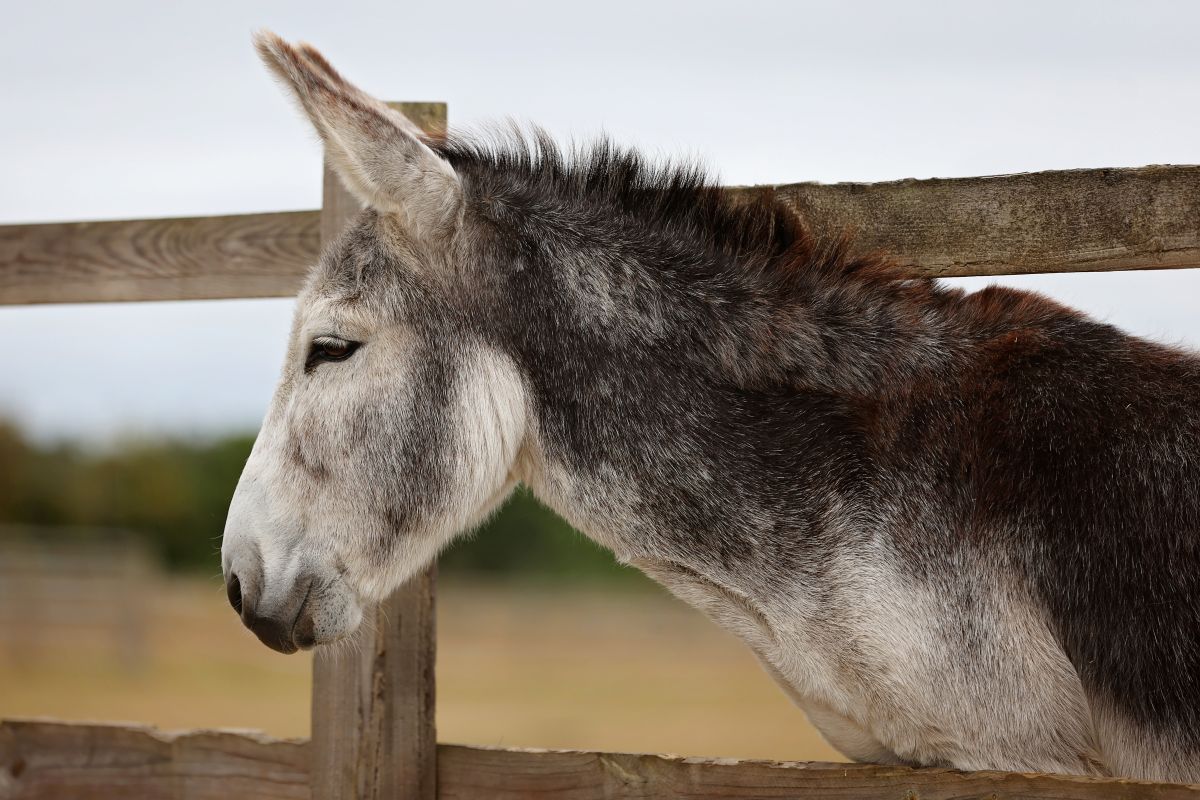
When caring for donkeys (of any age!), it is key to remember they have evolved very differently from their horse and pony counterparts. Therefore, they have notable physical and behavioural differences, explains Sarah Hallsworth, Equine Behaviour Manager at Redwings Horse Sanctuary, in the U.K. She oversees the behaviour rehabilitation of approximately 1,000 rescued residents across the charity, including more than 100 donkeys. She and her colleagues have lots of experience managing the differing needs of both horses and donkeys.
Horses are prey animals, and their first instinct is most often flight. When faced with something they are unsure about, they will choose to run to put space between them and the situation. Donkeys are much more likely to stand their ground and assess the situation first, says Hallsworth. This results in a much more stoic demeanour than horses, and they are often much less demonstrative in their behaviour, whether they are feeling unwell, in pain, or frightened.
Knowing What’s Normal for Your Donkey
For this reason, especially in senior donkeys, it is crucial to know your donkey’s normal behaviour and be able to pick up on very subtle signs they may not be feeling themselves.
“At Redwings, a donkey showing any sign of pain is treated as an emergency, as if they are at the point of visibly exhibiting these signs we know they are likely to be in significant pain or distress,” says Hallsworth. “We work hard to know our donkeys and their individual personalities well, so we can recognise even the most subtle sign that they are not themselves, and any change in their behaviour is investigated promptly.
“We are alert to very small changes in their behaviour and, during our daily checks, we will be looking at their level of interaction with their herd mates, and us,” she continues. “Do they look their usual bright and alert self, or do they look disinterested or shut down? At Redwings, we know our donkeys’ motivators—whether that be food or scratches. If they do not respond to these as we would expect them to, that is a clear sign of concern for us, and we would be ringing our vets for advice, regardless of the age of the donkey.”
Knowing the subtle signs your donkey is unwell or in pain means you can treat them at a manageable point and avoid much more serious concerns, adds Redwings Senior Welfare Veterinary Surgeon Nicola Berryman, BVetMed. She has worked for 15 years treating both horses and donkeys and has a real soft spot for the Sanctuary’s long-eared residents. She emphasized the importance of always treating a donkey that has gone off their food or stopped eating completely as an emergency.
Health and Behaviour Considerations
Donkeys are far more susceptible to hyperlipaemia, which occurs when they stop eating enough and their body attempts to feed their essential organs with the energy stored in their fat deposits. This results in this fat circulating the body inappropriately in the blood and can cause the liver and kidneys to degenerate and fail. Once the process has started, it can be incredibly hard to treat and reverse and, ultimately, it can cause irreversible organ failure across the body and even death.
“If our senior donkeys have unmanaged pain, especially dental pain, or an untreated condition that causes them to stop eating, it is not overstating things to say that not spotting the signs early enough could be very dangerous for them,” says Berryman. “But, it might not just be pain that causes them to go ‘off-colour,’ as donkeys are especially susceptible to stress.”
Situations such as transport and changes in diet, routine, or companionship can all risk putting a donkey under stress. Companionship is especially crucial, she says, because donkeys form very strong pair bonds. “When caring for our senior donkeys, we must plan for the eventuality that they may lose this very close companion, and that grief can be very dangerous for them, as they do tend to grieve differently from horses,” Berryman explains. “In donkeys, this grief can manifest in physical suffering, especially if this stress does lead to loss of appetite and, therefore, hyperlipaemia.”
When caring for senior donkey(s), it is especially important to consider end of life plans, to ensure they always have the best quality of life possible and to provide for their companions. This could involve spending time with your veterinarian and/or your family to decide what’s in the best interest for your donkeys—both for emergency scenarios or in the event of a planned euthanasia.
“In the latter scenario, you should consider introducing another donkey ahead of the event, to allow them time to bond so you don’t leave one grieving alone,” says Berryman. “Or, if you have a pair of senior donkeys who have lived together for many years (often their whole lives), you may even consider euthanising them together, which is always a kind and valid option in such cases and could prevent suffering.”
Physiological and Anatomical Differences
Physiologically, donkeys do have differences compared to ponies and horses. One way to provide the best care for your senior donkey is to choose a veterinarian who has experience working with donkeys.
“For example, donkeys metabolise medication very differently to horses,” she notes. “When considering that senior donkeys might need pain relief, such as phenylbutazone (bute), for management of conditions like arthritis or dental pain, for example, it is important to work in consultation with an experienced vet on how to best deliver the correct dose and timing for your donkey—which may be quite different to any horses or ponies in your care.”
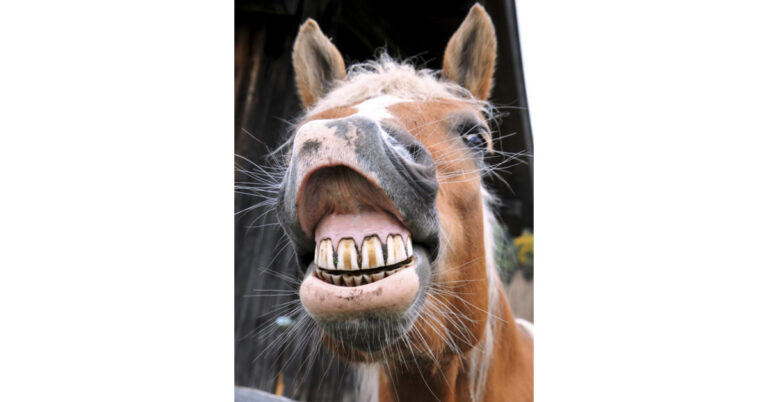
Donkeys also have anatomical differences, especially with their mouths and teeth. While all equids require regular dental checks and care, working with a veterinarian who has experience caring for geriatric donkeys will have a positive impact on their longevity and quality of life, Berryman says.
Compared to their horse and pony counterparts, donkeys are much less suited to wet or inclement weather because they have evolved to live in arid desert environments. “At Redwings, our donkey and horse herds do tend to live in different environments, with our donkey herds having extensive shelter provision (such as a large barn) as well as concrete pads or areas of hardstanding to give them dry spaces to stand out of the mud,” she says. “We are also much more likely to consider rugging a donkey to give them some weatherproofing, as being cold or wet is another reason that could cause them the stress we are so keen to avoid.”
Take-Home Message
With the right care, senior donkeys can thrive. The oldest donkey Redwings has had in their care was Humphrey, who lived to be 48—a great age made possible by the lengths his carers and the veterinary team at the sanctuary went to to get know him and his needs.
In part two of this article, Hallsworth and Berryman will review training considerations for donkeys and how you can work with your veterinarian to ensure routine care provision is a positive experience for them.
Related Reading
- Donkey Domestication, Physiology, and Disposition
- My Senior Horse Podcast: Donkeys
- A Guide to Mature Donkey Castration
Sign up for My Senior Horse’s FREE newsletter to get the latest information about equids 15 years and older delivered straight to your inbox!
-
View all posts
Redwings Horse Sanctuary is the UK’s largest horse welfare charity, caring for more than 1,000 rescued horses and donkeys.
Redwings believes every horse, pony, donkey and mule deserves a life free from fear, neglect, and suffering.