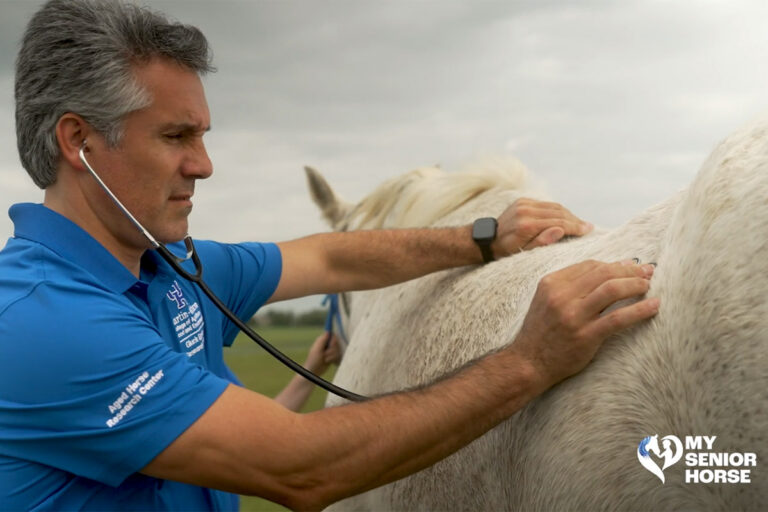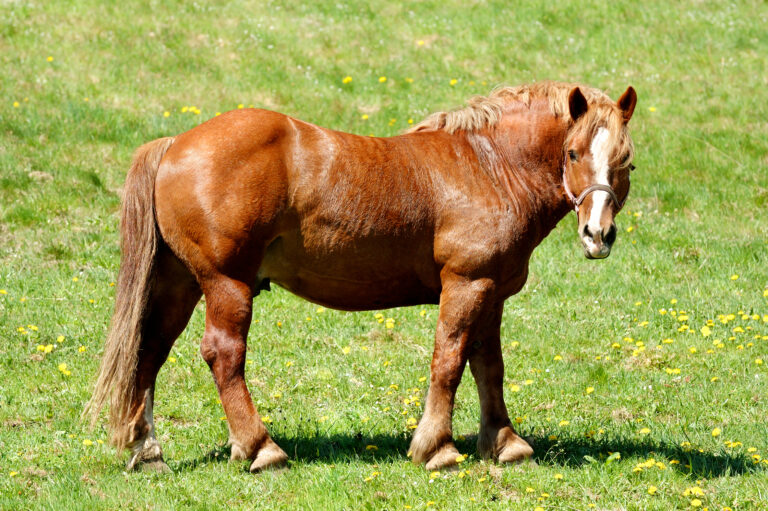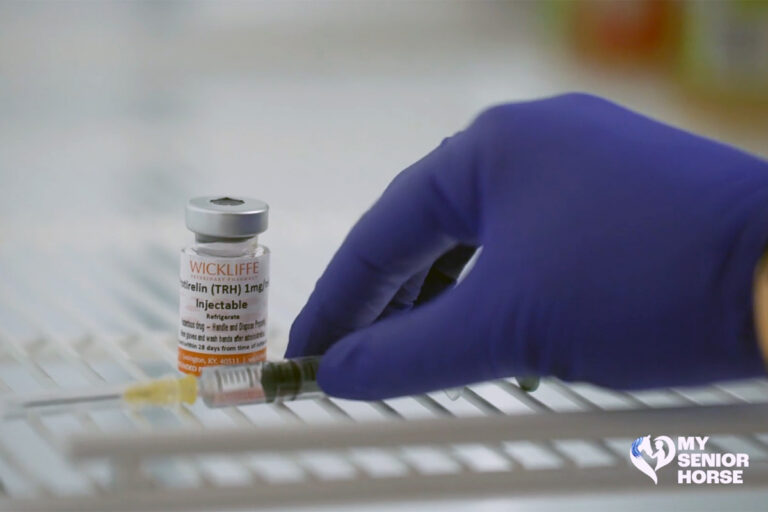
Morgan Askins, PhD, MS, graduate research assistant at the University of Kentucky, has been conducting various studies about insulin-dysregulated (ID) horses and forage management for these animals in collaboration with WALTHAM Equine Studies Group.
“We recently conducted a survey across the United States looking at how common and why restrictive grazing strategies were being utilized by horse owners and managers,” she said. “We found that 91.5% of survey takers had either utilized currently or previously a restrictive grazing strategy.”
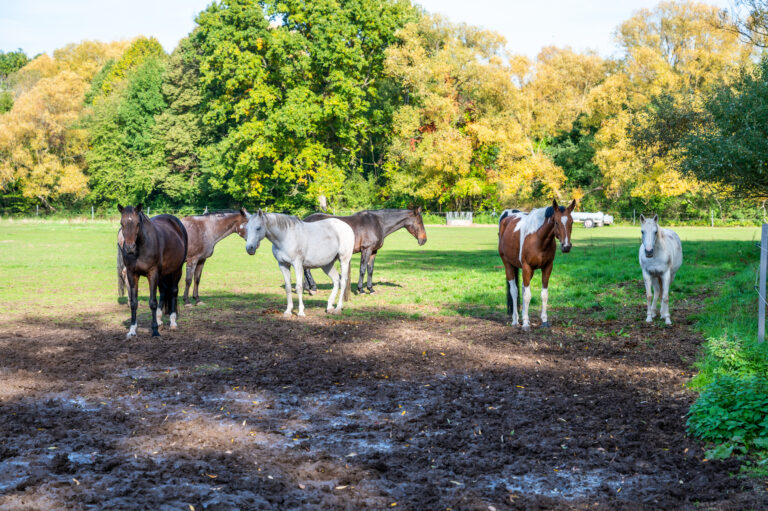
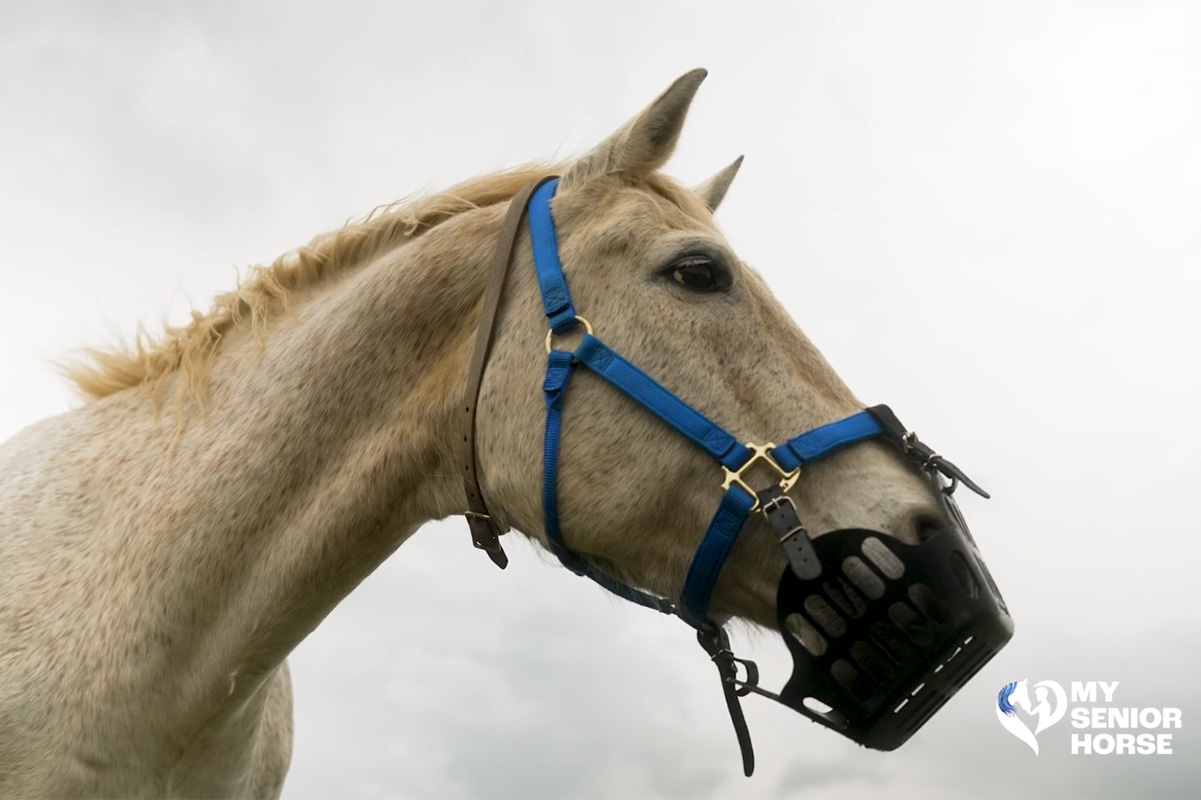
The most common restrictive grazing methods were grazing muzzles and dry lots. The most common reasons horse owners used them were to prevent or manage laminitis episodes and/or to prevent horses from becoming overweight. All survey takers were asked about their welfare perceptions of restrictive grazing, and responses were positive.
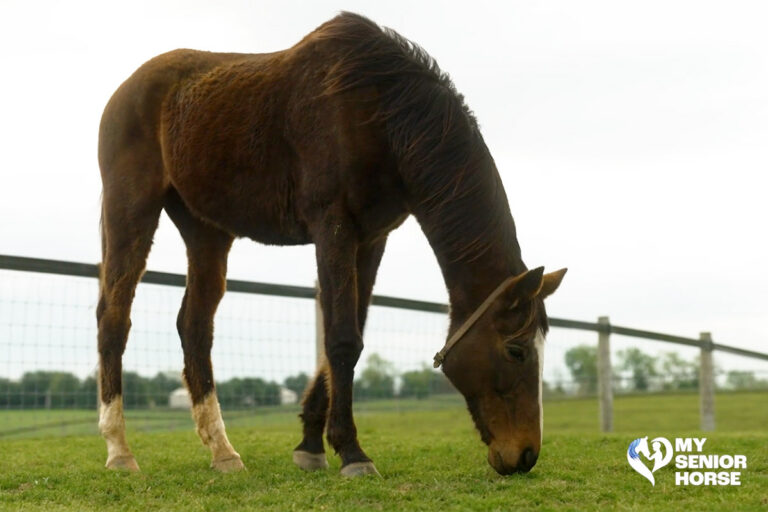
Other trends Askins noted involved sword (grass) height and seasonality. Horse owners using grazing muzzles felt that a 4-to-6-inch sword height was most appropriate for a muzzled horse to be able to consume forage on a restricted basis. And owners used muzzles on average 10-12 hours per day in spring and summer compared to zero hours in the winter and fall.
“This makes sense when we think of how our nonstructural carbohydrate content changes not only by time of day but also throughout the seasons,” she said. “And we typically do see the increased nonstructural carbohydrate in our spring and summer grasses when we see a significant amount of fresh growth in our forages.”
From Survey to Study
Askins and her team then took these results and applied them to research projects conducted following the survey.
One study involved six ID horses that had been grazing on spring pasture and were put on a dry lot with low-NSC hay. Within 24 hours of being on a dry lot, five horses showed a significant reduction in insulin levels, while one did not, highlighting individual variation even to the same forage and the need for ongoing monitoring and additional management strategies. The team concluded that for many—but not all—ID horses, the use of dry lots with low-NSC hay appeared to be an effective management strategy.
Another study assessed the effects of grazing muzzles on nine insulin-dysregulated horses. They found that muzzled horses experienced a reduction in insulin levels when muzzled for 10 hours on summer pasture with a sword height of 4 to 6 inches compared to unmuzzled horses.
“There’s still opportunity for continuation of these studies to see the long-term and seasonal effects of utilizing grazing muzzles at different times of year,” said Askins. “But in these studies conducted here in Kentucky with our insulin-dysregulated horses, we did see that dry lots as well as grazing muzzles were effective for managing and reducing the insulin levels in these horses.”
Related Reading
- How Meal Size and NSCs Affect ID Horses’ Insulin Response
- Nutritional Management Strategies for Horses With Insulin Dysregulation
- Top Tips for Using Equine Grazing Muzzles
Sign up for My Senior Horse’s FREE newsletter to get the latest information about equids 15 years and older delivered straight to your inbox!
-
View all posts
Alexandra Beckstett is a lifelong horse owner and an award-winning writer and editor. She is the editorial director of EquiManagement and MyNewHorse.com, prior to which she spent 13 years with The Horse/TheHorse.com.