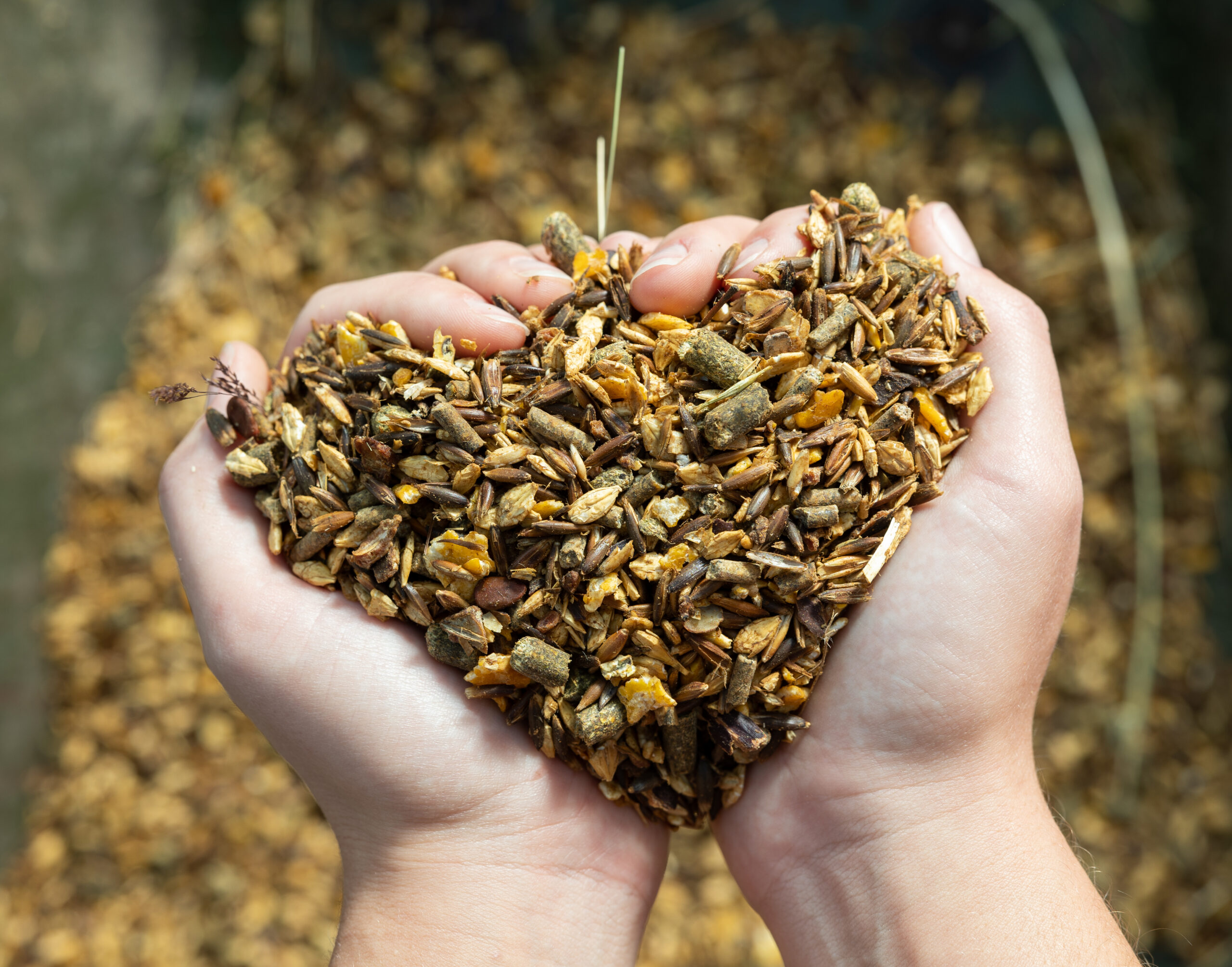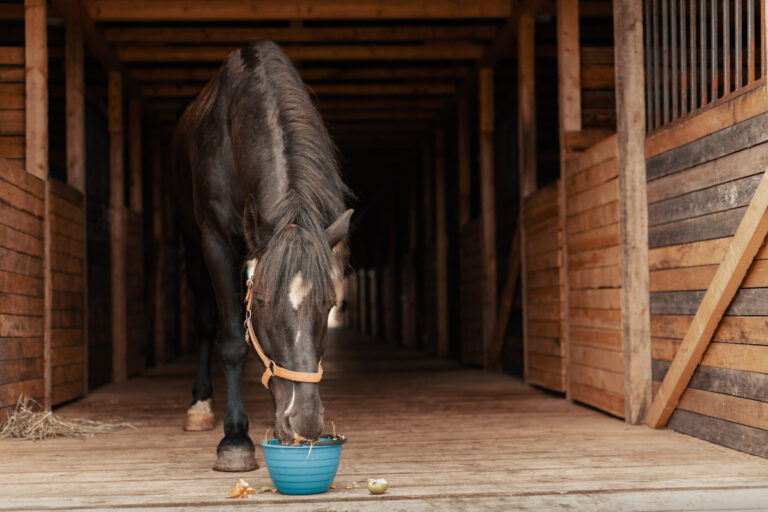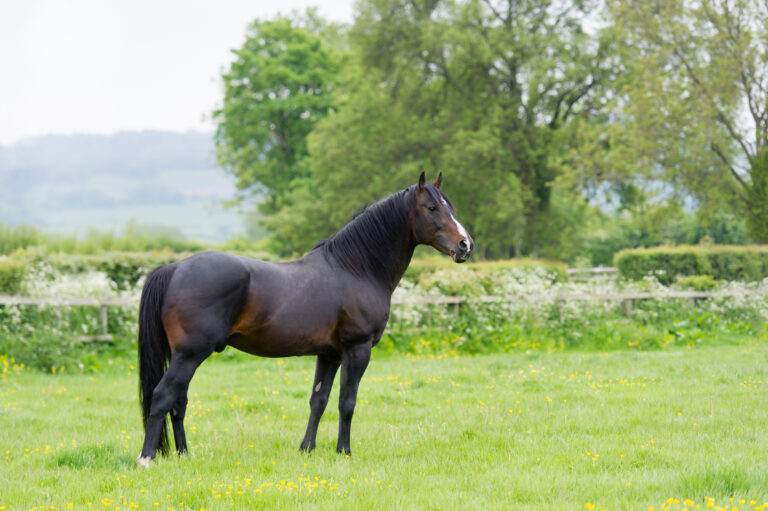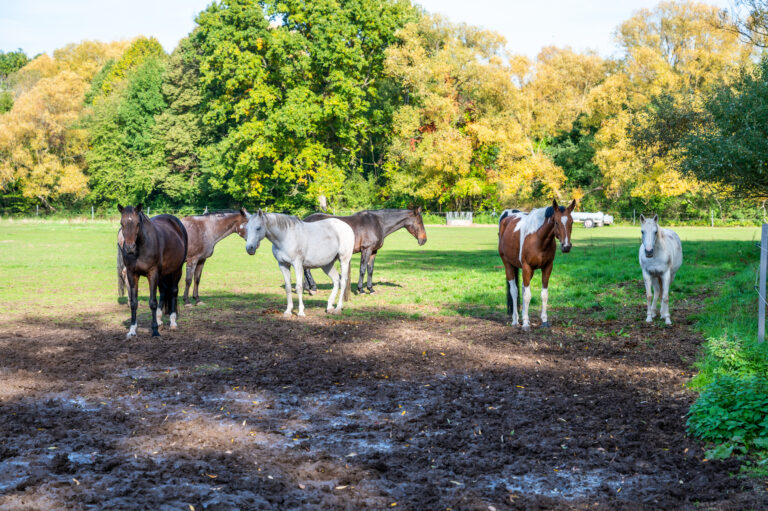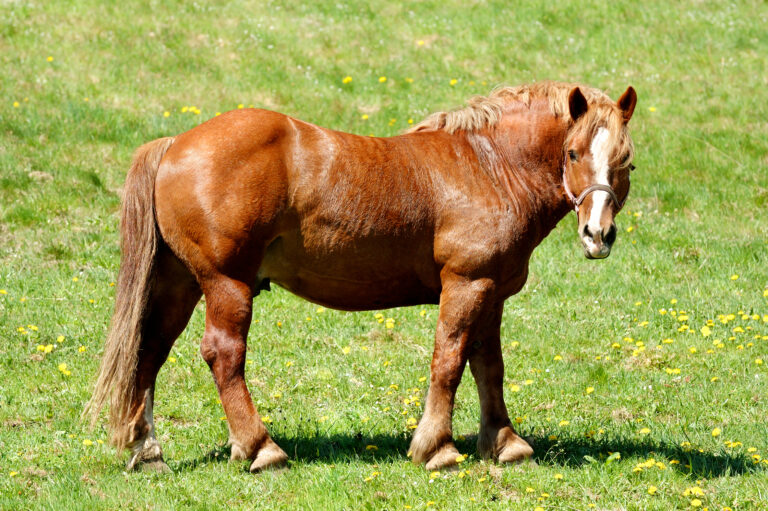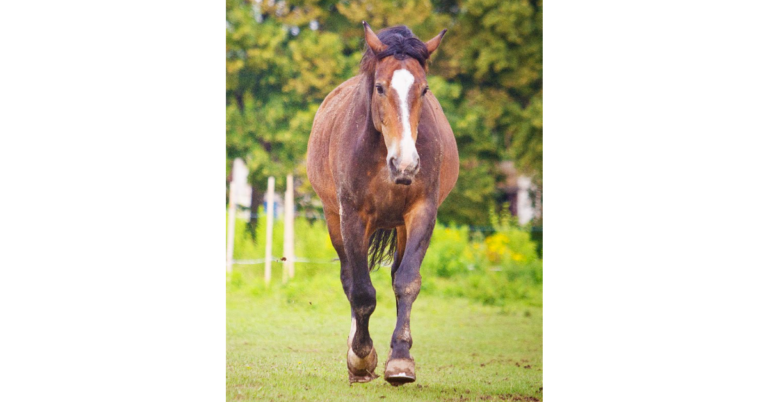
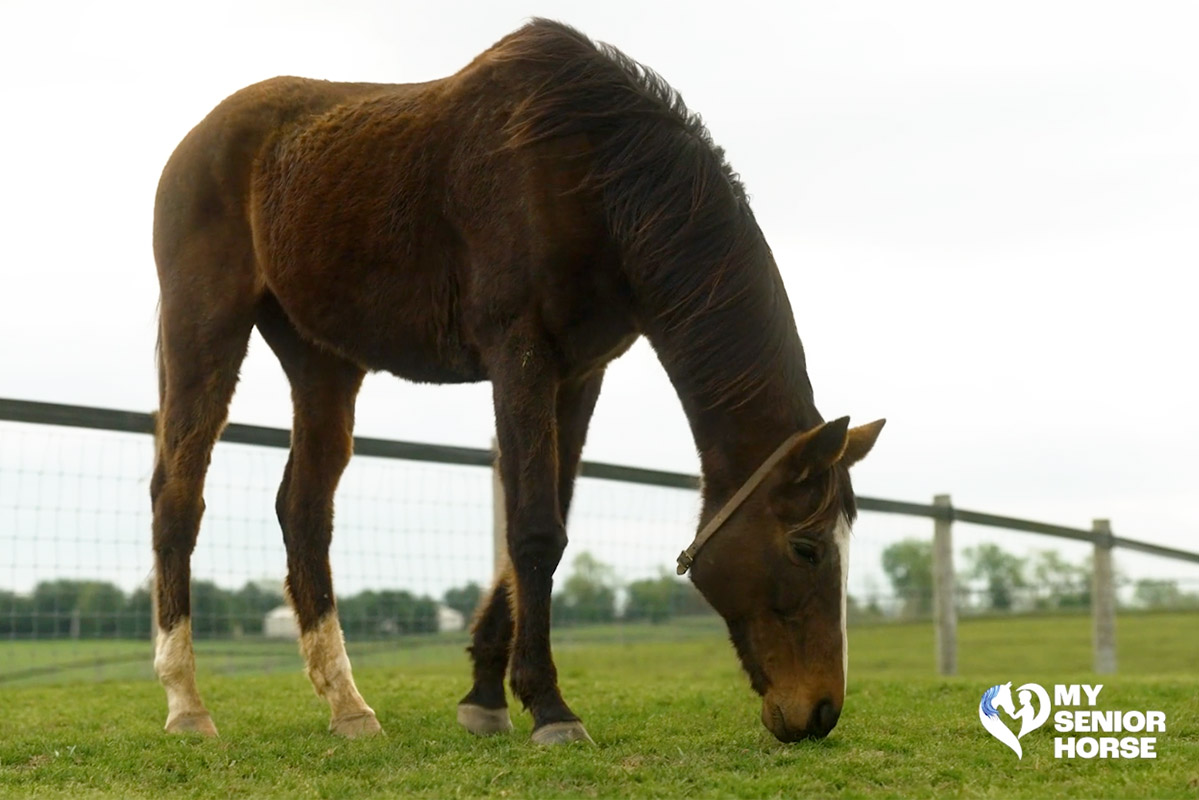
A hard keeper is any horse that struggles to maintain weight on a diet that would be considered adequate for a horse of their age and workload.
“A lot of times those horses are going to require a lot more feed to maintain weight than what the minimum feeding rate would suggest for the products that they’re currently eating or would need a lot of supplemental forage in their diet,” said Caitlyn Caby, technical nutrition marketing specialist with Buckeye Nutrition.
If you notice changes in your horse’s ability to maintain weight, first talk to your veterinarian to rule out underlying causes, such as dental or metabolic conditions.
How to Increase Calorie Intake
The best methods for increasing a hard keeper’s caloric intake are through increased forage, fiber, or fat.
“Those are the safest options,” said Caby. “Fat can contain up to three times the digestible energy or calories per pound of most of our standard forages in the U.S. So a lot of times fat is a really valuable resource when you’re trying to manage a hard keeper.”
Fat sources include fat supplements, oils, or concentrate feeds that are higher in fat content. Also ensure your horse is eating at least 2% of their body weight in forage per day.
“If they can’t adequately chew hay, then you would have to choose some type of forage replacement product, whether that be hay pellets, cubes, shredded beet pulp, chaff hay, things like that to make sure they’re meeting that 2% body weight requirement,” she added.
Watch for Signs of Dental Issues
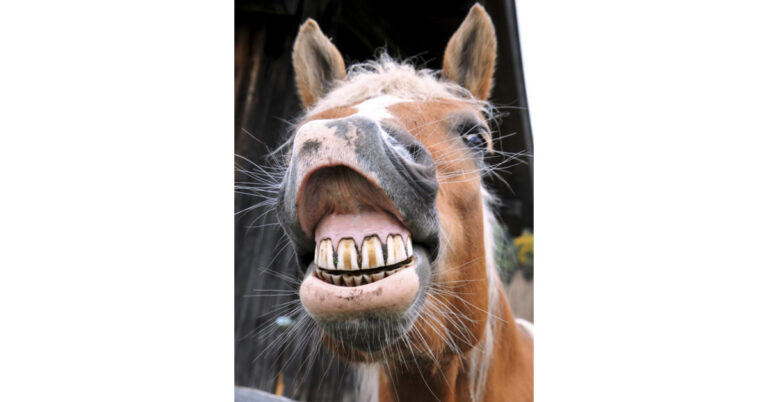
Many owners of senior horses don’t realize their dental condition has declined, making it harder for the horse to adequately process forage.
If a horse can’t chew hay properly, the gut won’t be able to digest it to the fullest extent and get the most calories out of that forage. A telltale sign is quidding, when a horse chews the hay into balls and those “quids” fall out of their mouth.
“If your horse is quidding or chewing up their hay into tiny balls and then spitting it back out, they will likely need some forage replacement products to make up for that calorie difference,” said Caby.
Related Reading
- Feeding Older Horses That Are Easy Keepers
- My Senior Horse Podcast: Feeding Senior Horses With Dental Issues
- Feeding Horses That Can’t Eat Long Fiber
Sign up for My Senior Horse’s FREE newsletter to get the latest information about equids 15 years and older delivered straight to your inbox!
-
View all posts
Alexandra Beckstett is a lifelong horse owner and an award-winning writer and editor. She is the editorial director of EquiManagement and MyNewHorse.com, prior to which she spent 13 years with The Horse/TheHorse.com.