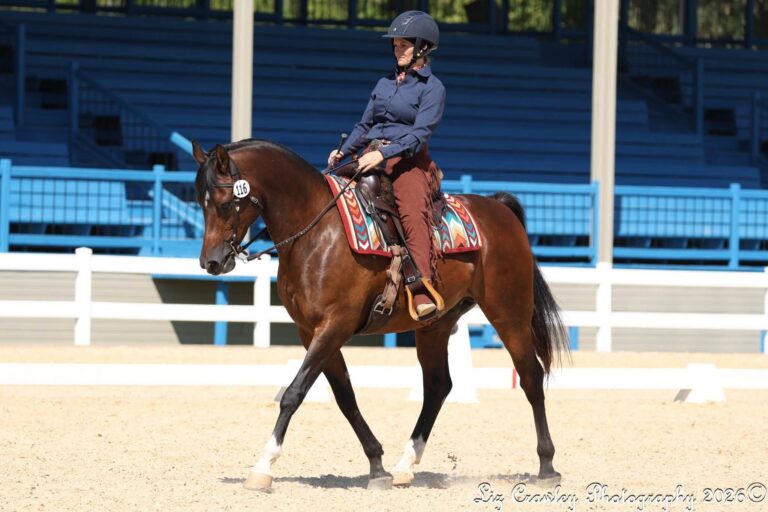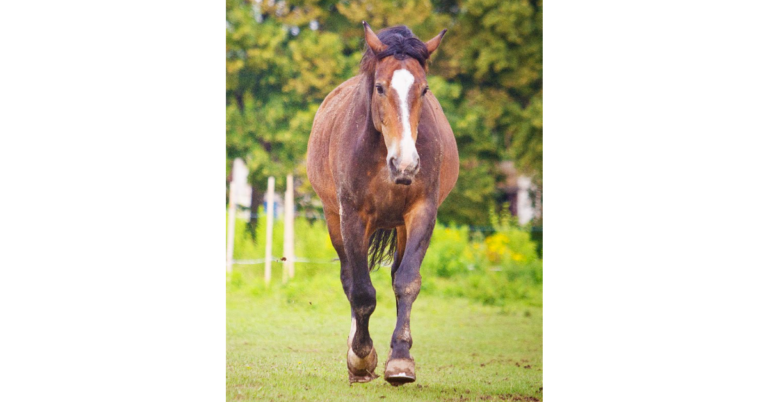
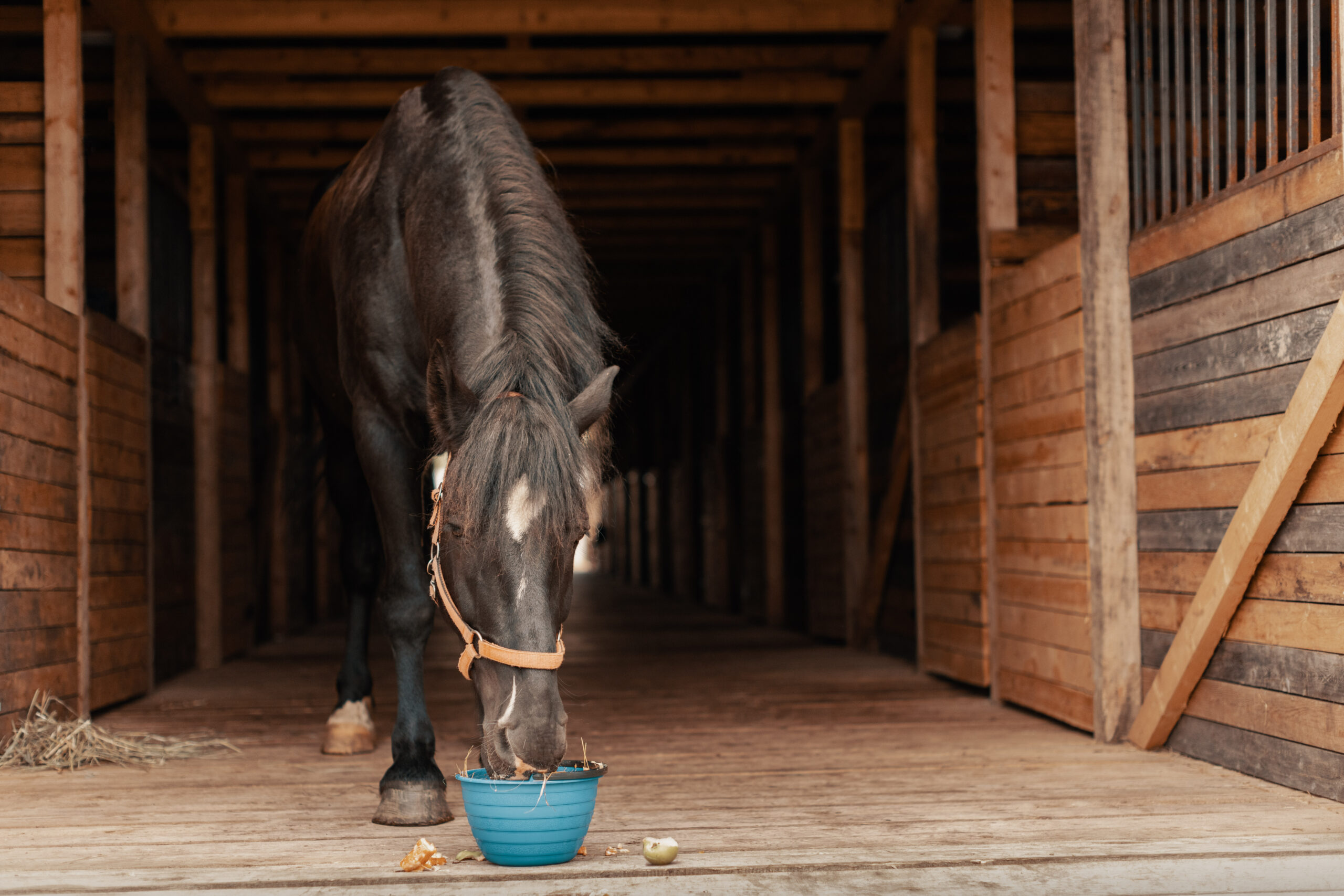
The age most people consider their horses old has increased over the past few decades. In a recent survey completed by more than 2,000 owners and caretakers in the UK, 65% of respondents didn’t consider their horse old until they had reached 20 years of age (SPILLERS Senior Horse Survey, 2024), and this may be even higher in ponies.
Many horses are living healthy and active lives for longer, primarily because of improved health care and nutrition. Most horses and ponies in developed countries are considered pets rather than working animals, and owners are committed to providing the best care they can.
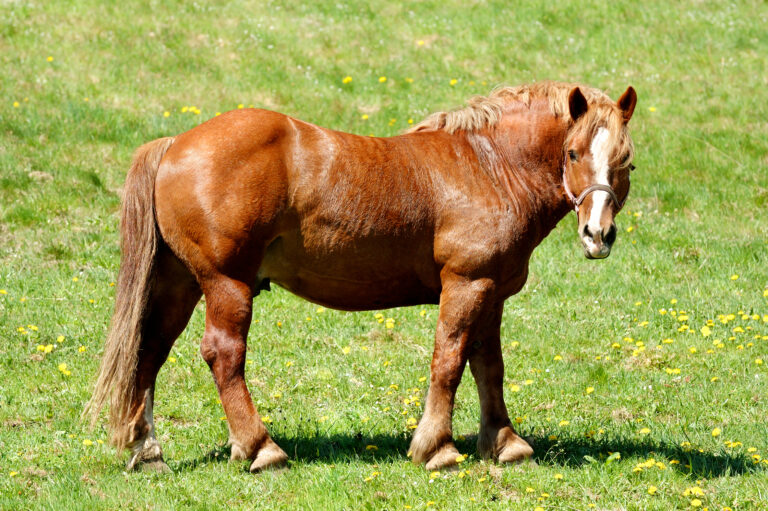
There’s no one-size-fits-all approach to feeding (or managing) seniors, and age does not indicate the need to adjust your horse’s diet. Not all senior horses are enjoying retirement in the field. Some might need to be retired in their teens, while some 30-year-olds might still be in light work. In fact, healthy veterans in good body condition may not need any diet changes, whereas those showing multiple signs of aging likely need more specialist management. Make time to just sit and watch your senior to ensure you notice the subtle changes that are easy to miss.
Things to Watch For
Signs associated with aging include:
- Loss of muscle mass/topline.
- Declining dental health.
- Reduced appetite.
- Poor immune function.
- Chronic health problems, such as arthritis, lameness, or recurrent injuries.
- Subtle physical changes, such as reduced stamina or difficulty maintaining ideal body condition.
- Showing disinterest in activities they used to enjoy, including reduced play or socialising.
- Increased lethargy.
- Poor thermoregulation.
- Increased risk for worm burden.
- Gray hairs.
If you notice any of these signs, don’t just assume it’s a natural part of the aging process. Some may be related to a clinical issue that could be “fixed” or treated with the right attention. Always check with your veterinarian if you’re at all concerned, and stay on top of routine vaccinations, dental visits, and worming strategies.
The Importance of Body Condition Scoring (BCS)
Body condition scoring is a hands-on, practical way of assessing your horse’s external body fat coverage. It’s easy to incorporate into your management. Regular checks help you notice changes in body condition before they become visible, allowing you to make diet and management changes before your horse loses, or gains, too much condition. Although not relevant to just senior horses, it perhaps becomes even more important to regularly check body condition as horses age, particularly around changes of season or routine, when body weight may change rapidly.
Read More:
- Body Condition Scoring: Body Condition Index and Other Techniques
- A Guide to Equine Body Condition Scoring
What Nutrients Do Seniors Need?
Although optimum requirements have not been fully established, senior horses often benefit from elevated levels of some vitamins, minerals, and protein, similar to that needed for work, even if they are fully retired. Vitamin E, for example, plays a key role in supporting immune health, and amino acids (quality protein) might help horses maintain their muscle mass longer. Healthy horses produce their own vitamin C, which has no published requirement for horses of any age. However, feeds or supplements containing added vitamin C might help support immune and respiratory health, so are popular for seniors.
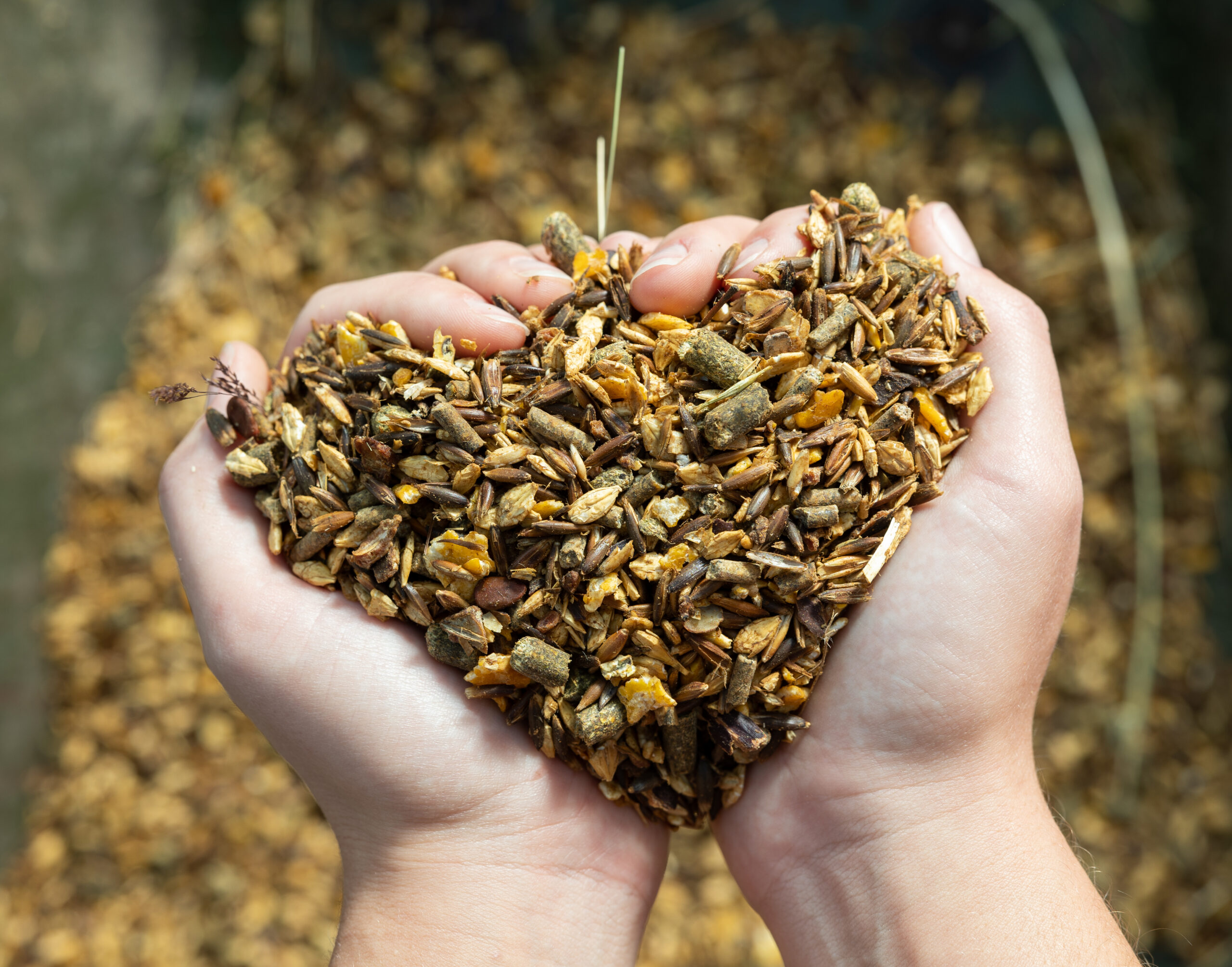
Senior feeds come in many formats, with a range of low-, moderate-, and high-calorie options available. Even for healthy seniors, it might be beneficial to keep starch and sugar levels low as they become increasingly at risk of insulin dysregulation. Some products will also include “functional” ingredients such as glucosamine to help support joints and/or probiotics for digestive health. Those with dental issues might benefit from being fed a mash or might need to avoid long and short chopped fibres altogether. Choosing a senior feed is often a simple way to ensure older horses receive the nutrients they need but, in some cases, the most suitable feed might not say “senior” on the bag.
Some horses might have been poor doers their whole lives, while others might still be holding onto significant areas of body fat. Often, owners of horses that have been in great condition their whole lives are caught out when they unexpectedly lose weight for the first time. It is important to establish which category your individual horse fits into to determine their calorie (energy) requirements.
Read More:
- Feeding Horses That Can’t Eat Long Fiber
- Feeding Senior Horses According to Their Dental Health
- My Senior Horse Podcast: Forage Substitutes
Changing Feeds
Speak to a nutrition specialist if you’re unsure about which feed is the best choice for your senior horse. Once you’ve decided to make a change, then allow time to do so gradually. This is good practice for any horse, but seniors might be especially sensitive to diet changes. Don’t switch over just because you run out of their current feed. We recommend changing or adding no more than 500 grams of a new feed every other day for a 500-kilogram horse or 300 grams for a 300-kilogram pony and so on. This steady introduction of new feed gives their complex digestive system time to adapt and causes less disruption of the sensitive microbiome in the hindgut.
For horses that need more feed to maintain their weight, or those needing forage replacers, their management might need changing too. Allow time for extra care, and schedule in more meals so they’re fed little and often. Each meal should be no more than 2 kilograms by dry weight for a 500-kilogram horse. Horses are natural grazers that need trickle feeding (little and often). Their digestive system has evolved to require a consistent steady intake of fibre. Those on total forage replacers that can no longer chew grass or any forage need to be fed a minimum of four meals per day. Forage replacement meals might need to be larger than 2 kilograms to ensure the horse gets enough forage each day.
Read More:
Final Thoughts
After making feed changes, continue to monitor your horse’s weight regularly and watch for changes in behaviour. Remember to keep an eye on their droppings for any sudden changes in consistency. Also provide access to a salt lick. You might need to provide extra salt each day if your horse is sweating regularly from hard work or failure to shed their coat as weather warms.
Most importantly, make sure clean, fresh water is always available. During colder months you might need to add warm water to encourage horses with sensitive teeth to drink more.
Related Reading
- Feeding Senior Horses That Are Hard Keepers
- Feeding Older Horses That Are Easy Keepers
- My Senior Horse Podcast: Tips on Feeding Forage
Sign up for My Senior Horse’s FREE newsletter to get the latest information about equids 15 years and older delivered straight to your inbox!
-
View all posts
Vanessa Allen is a nutritional content manager at Spillers. She is responsible for translating Spillers’ nutritional knowledge into educational content. Vanessa has been with Spillers for over a decade, providing nutrition consultations direct to horse owners and professionals. Riding before she could walk, Vanessa has spent lifetime working with horses in practical and scientific roles and has a wealth of knowledge to share with horse owners.