Horses with pituitary pars intermedia dysfunction (PPID) can display a wide variety of clinical signs ranging from mild to severe—many of which develop quite gradually. For this reason, horse owners should familiarize themselves with the early signs of PPID.
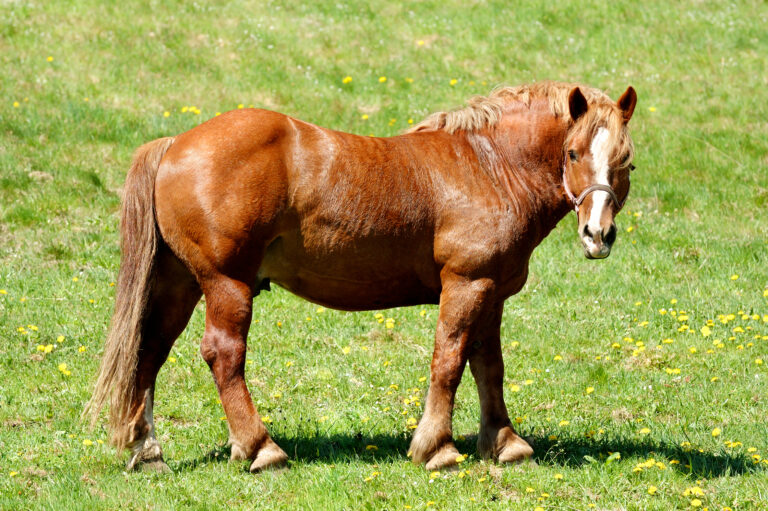
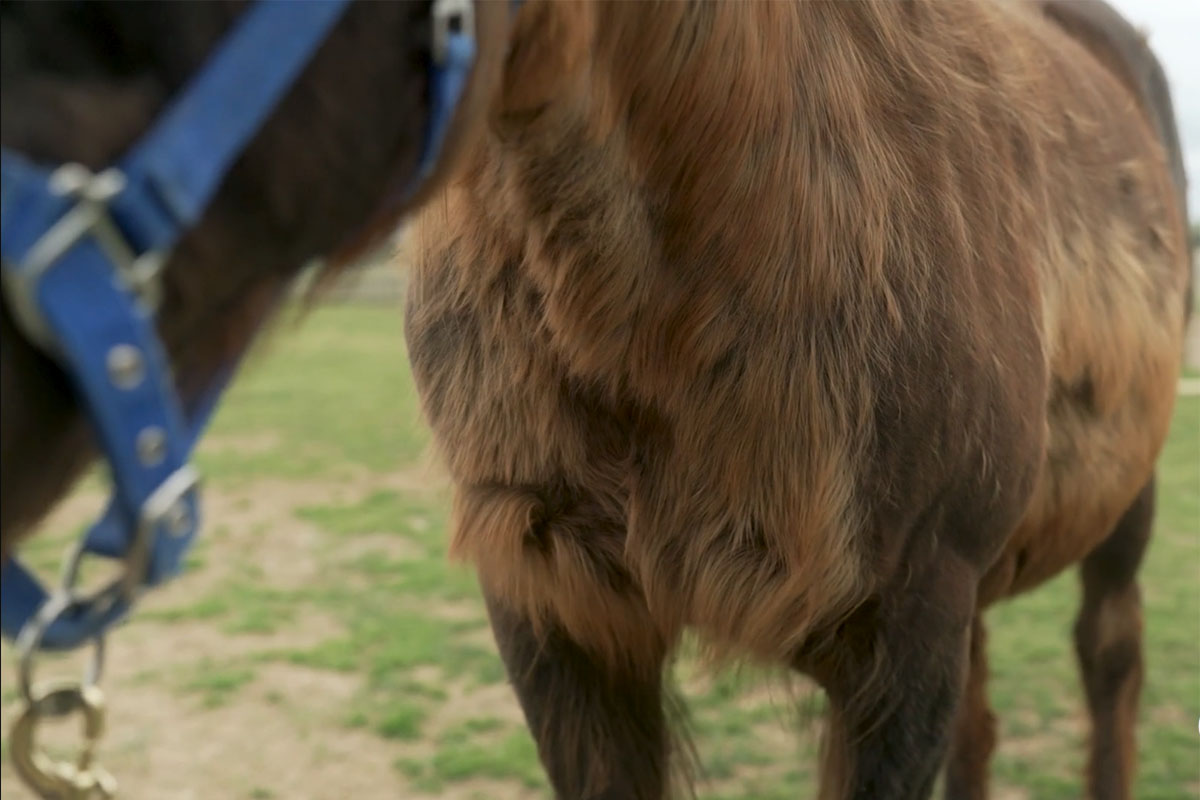
“One of the earliest signs that we see are coat changes,” said Edd Knowles, MA, PhD, VetMB, MVetMed, Dipl. ECEIM, MRCVS, director of science and nutrition at Mars Horsecare. “At first, that’s usually horses that are a little bit slow to shed their coat in the spring or hold on to just little patches of coat rather than the whole thing.”
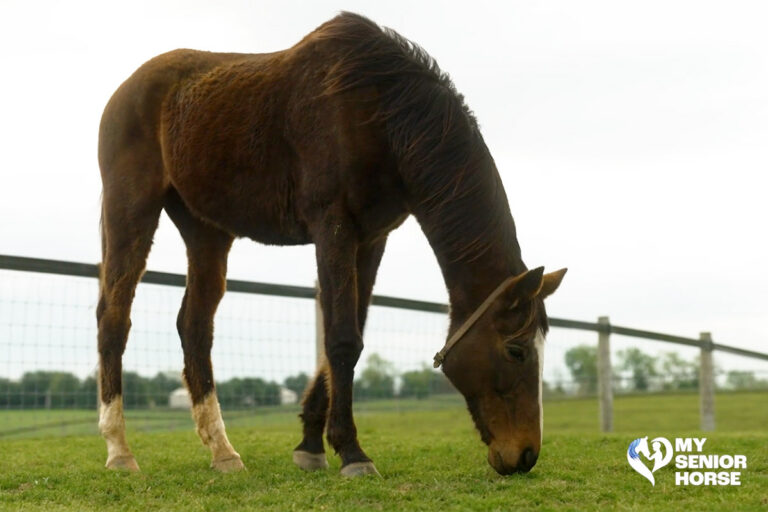
Changes in muscle condition, including loss of topline or difficulty maintaining muscle along the back, can also occur, as can changes in willingness to work, lethargy, and poor performance. Affected horses might also experience changes in sweating, such as areas of increased or decreased sweating.
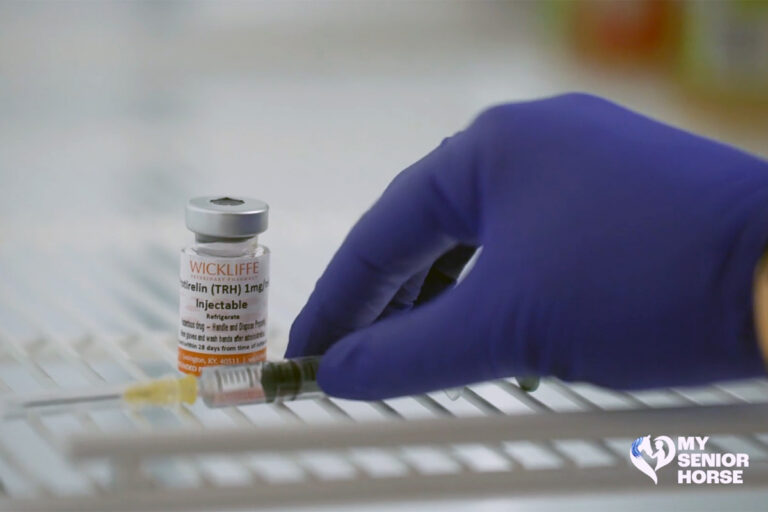
“All of these changes can happen in quite a subtle way in the early stages of disease,” said Knowles. “These are also things that can be caused by other conditions, so we need to be quite aware of other possibilities. If you do think you’re seeing some signs of PPID, it’s good to discuss those with your vet.”
PPID is a progressive disease, meaning it gets worse over time. So what might start as mild or subtle signs can become more obvious.
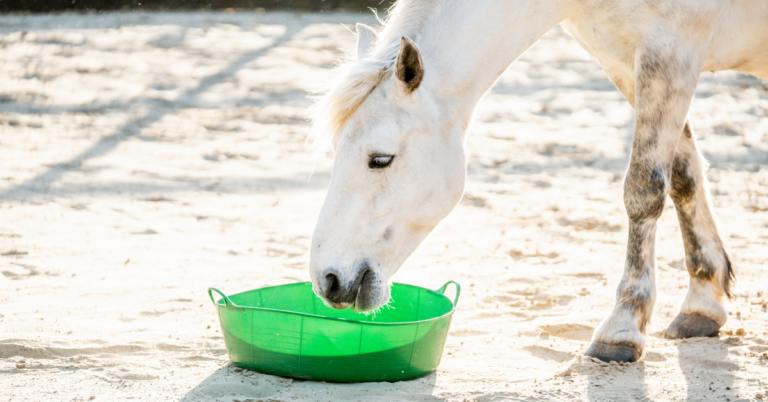
“We may start perhaps with a little bit of loss of topline or perhaps a mild coat change, but as time goes on, the other symptoms will come along,” Knowles explained. “So we’ll tend to get horses that are drinking and urinating more than normal, horses that are losing more and more muscle, horses that are holding on to more and more coat until the coat becomes curly and thick.”
Other signs include infertility, tendon and ligament problems, and abnormal lactation.
“So I think if you have an older horse and you’re concerned, it’s worth talking to your vet and perhaps having a chat each year, because these things come on gradually,” he said.
Related Reading
- Clinical Signs of PPID You Might Not Know
- Understanding PPID, EMS, and Insulin Dysregulation in Horses
- Understanding PPID: A Common Endocrine Disease in Senior Horses
Sign up for My Senior Horse’s FREE newsletter to get the latest information about equids 15 years and older delivered straight to your inbox!
-
View all posts
Alexandra Beckstett is a lifelong horse owner and an award-winning writer and editor. She is the editorial director of EquiManagement and MyNewHorse.com, prior to which she spent 13 years with The Horse/TheHorse.com.