Pituitary pars intermedia dysfunction (PPID, also known as Cushing’s disease) often causes dental issues in horses, among other clinical signs.
To learn more about dental disorders in PPID-positive senior equids, we consulted Bo Rainbow, DVM, Dipl. AVDC (Eq), and Miller Thornbury, DVM. They are part of the team of experts at Kentucky Equine Veterinary Dental Specialists, alongside Jack Easley, MS, DVM, AVBP, Dipl. AVDC (Eq), who has advised My Senior Horse on many dental issues through podcasts and articles.
Clinical Signs of PPID
PPID is a hormonal disorder that causes the horse’s pituitary gland to overproduce hormones like cortisol and ACTH. Typical clinical signs in horses with advanced disease include a pot-bellied appearance, weight issues (too thin or fat), a long haircoat that doesn’t shed normally, and possibly laminitis.
“That horse is pretty easy to diagnose,” said Thornbury. “But in the last 15 years, veterinarians have gotten better at diagnosing PPID earlier and earlier.”
In a Purdue University study that looked at PPID horses’ medical records, researchers hypothesized that horses with PPID would have shorter lifespans and more medical issues.
“What they found was that [PPID horses] did not really have shorter lifespans, but they did have more total medical events during their life,” said Thornbury.
He added that the researchers also found an association between dental disease and PPID. The study stated, “Factors independently associated with a diagnosis of PPID were poor healing, dental issues (including missing tooth or diagnosis of equine odontoclastic tooth resorption and hypercementosis), hyperinsulinemia-associated laminitis, and being prescribed NSAIDs.”
PPID and Poor Wound Healing
Rainbow noted that poor wound healing is another notable clinical sign of PPID. He associates dental problems in older horses with poor wound healing. “They’re going to be much more susceptible to bacteremia and just the chronicity of infection,” he noted.
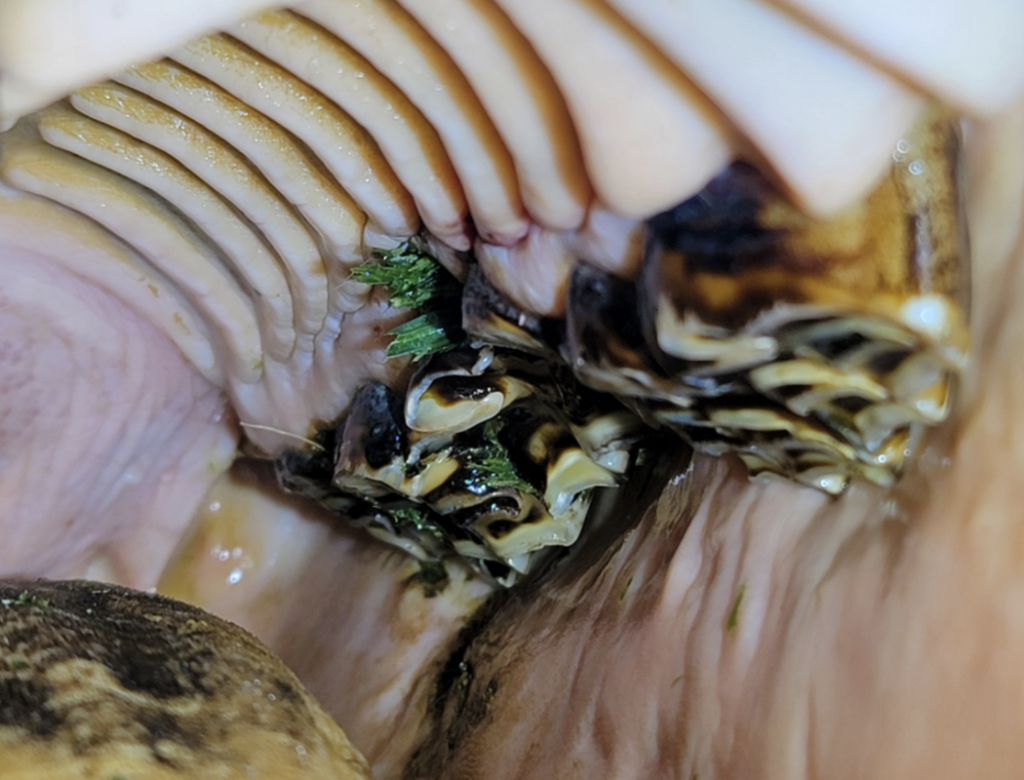
Rainbow generally refuses to perform oral surgery on a senior horse unless the owner treats and controls the animal’s PPID. “The mouth undergoes regular trauma because the forage they chew and swallow causes abrasions and cuts,” he said. “Horses are adapted to heal those small wounds normally, but in PPID horses, they don’t heal.”
Rainbow explained that older, smooth-mouthed horses with malocclusion—misalignment of the upper and lower teeth or jaws—can’t chew well. “And with trauma in the mouth, they have to chew even longer and get more trauma,” he said, noting that he sees larger ulcerations that are slow to heal in horses with PPID.
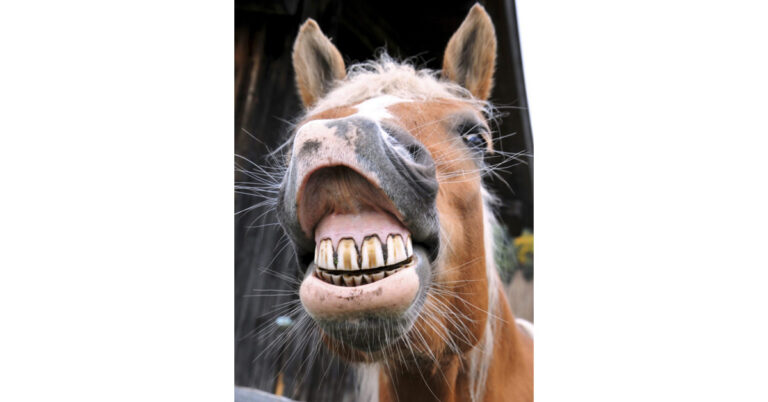
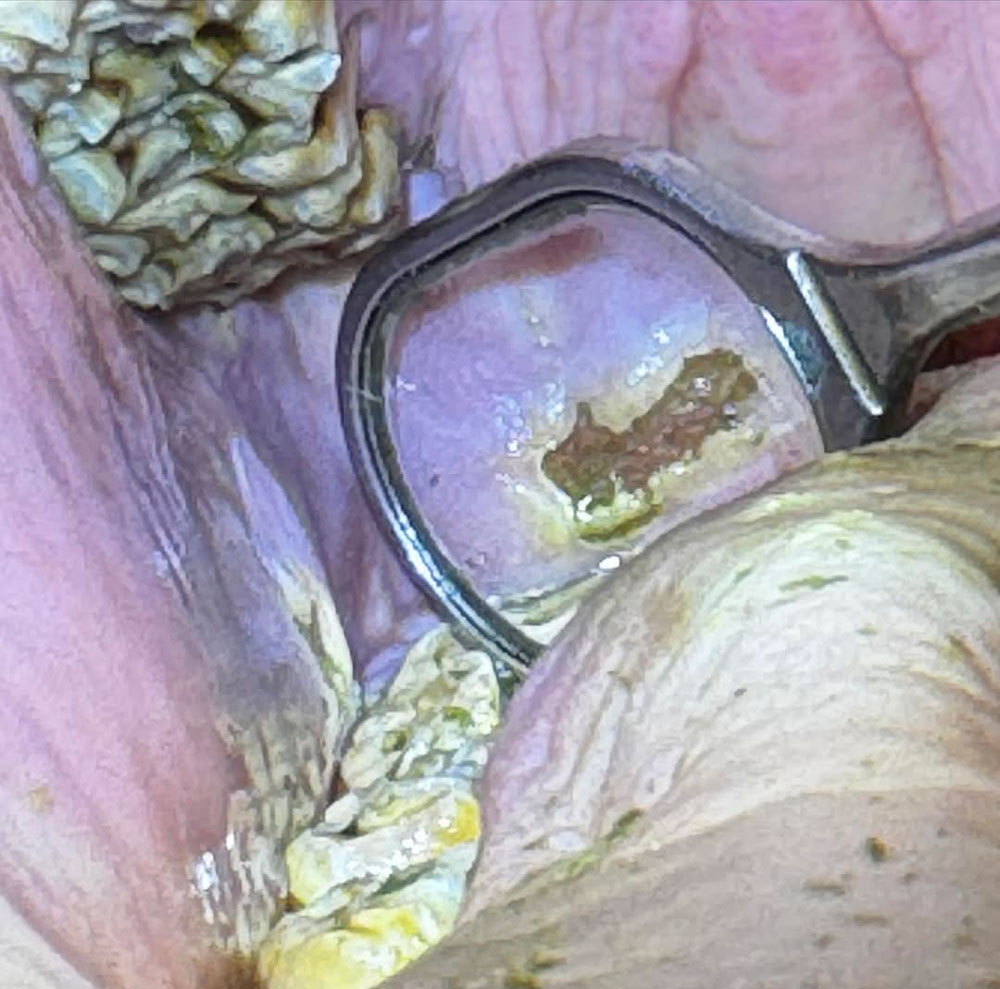
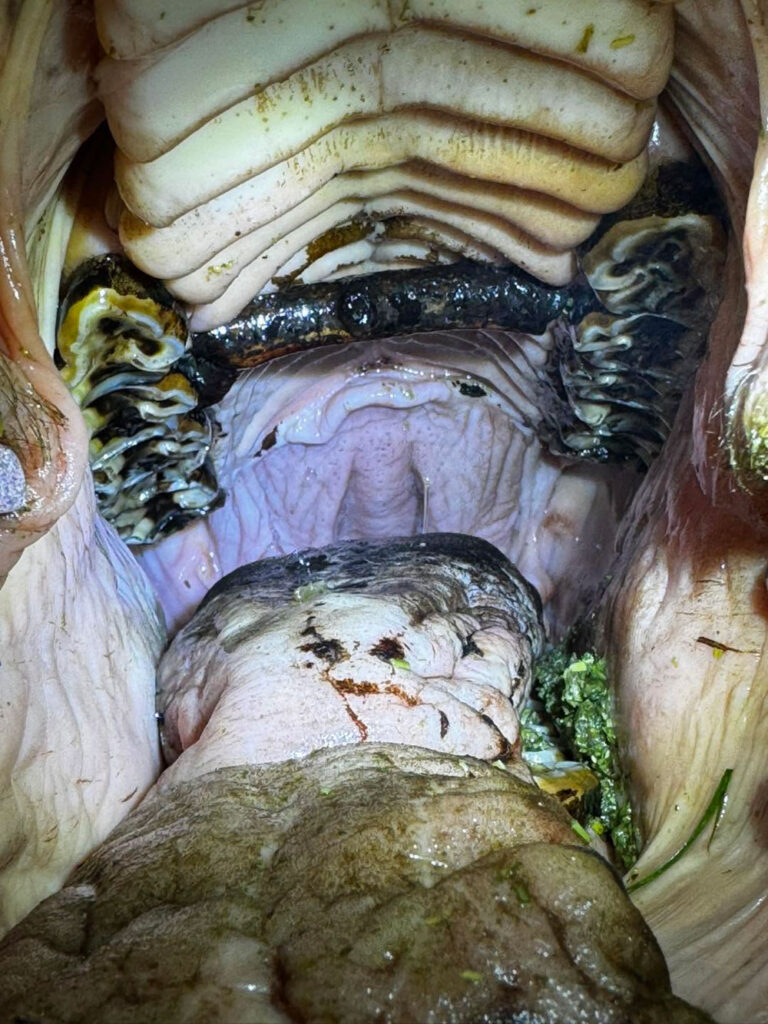
Thornbury added that diastemata (gaps between teeth) can be a precursor of more serious mouth issues. Diastemata and periodontal disease affect over 65% of horses older than 20. Managing these conditions is important to improve oral comfort, delay tooth loss, and preserve functional dentition.
PPID-positive horses with diastema and periodontal disease typically have deep gingival inflammation and dental defects in and around affected teeth. The inflammation doesn’t resolve as easily, and they are at increased risk of complications, such as fistulas or communications between the oral cavity and sinuses or skin.
Recognizing Dental Problems in Senior Horses
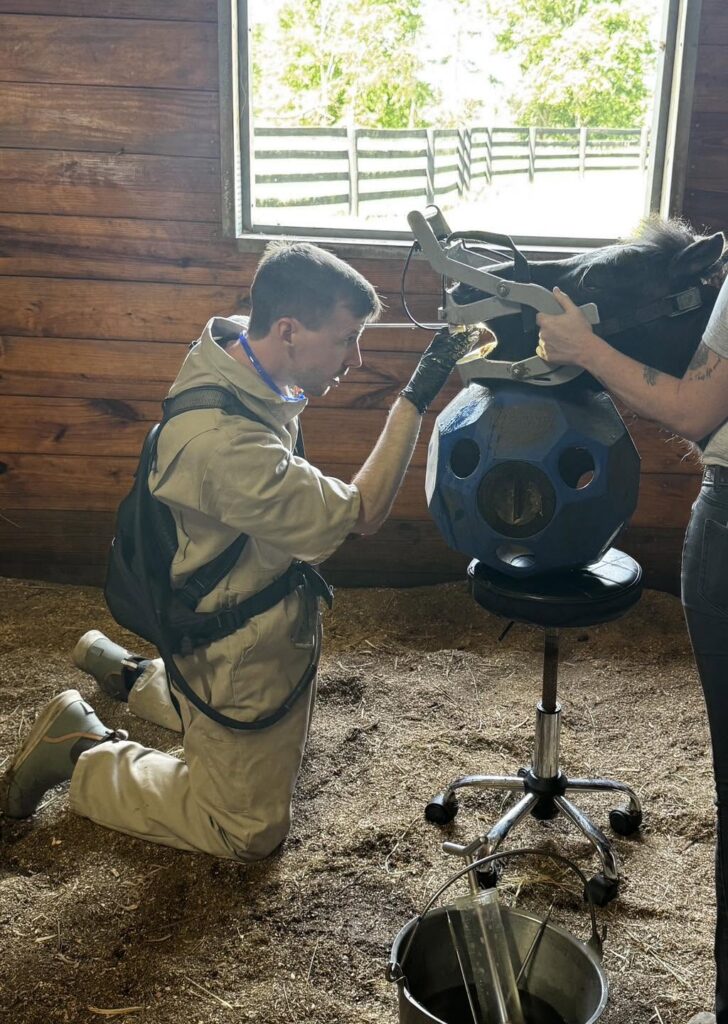
Owners should ask their veterinarians to look into their senior horses’ mouths early and often, advised Thornbury. The earlier oral and dental pathology is identified, the easier it is to treat, particularly in the PPID-positive horse. As horses age, they may need more frequent dental care, with biannual exams often necessary. Veterinarians should consider ongoing medical issues like endocrine disease during the senior horse’s dental assessment and when devising a treatment plan.
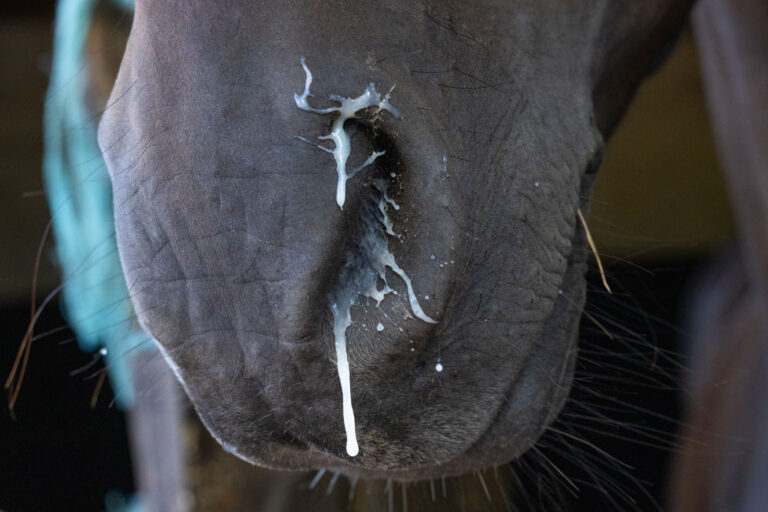
Owners should monitor their horses’ body condition scores and watch for signs of dental discomfort, such as taking longer to chew, dropping food, quidding (chewing forage then spitting it out without swallowing), choke (because they can’t chew properly), and changes in manure. Long forage fibers in the manure indicate the horse isn’t chewing its forage properly.
“When the horse is old and losing weight should not be the first time it gets a veterinary dental exam,” stressed Rainbow. The horse must be sedated for a thorough exam, and the veterinarian should let the owner look into the mouth. “Showing a horse owner periodontal disease has a dramatic effect,” he said.
While dental disorders are not unique to horses with PPID, they are seen more frequently in this population, said Rainbow.
Thornbury added that if a horse is diagnosed with equine odontoclastic tooth resorption and hypercementosis (EOTRH), it should be screened for PPID.
Final Words
“Just because a horse is in good body condition doesn’t mean the horse doesn’t have dental issues,” stressed Rainbow.
Even if a horse is smooth-mouthed (when the cheek teeth have worn down with age and use), owners must keep the animal’s mouth healthy, Thornbury said.
“The goal is to help teeth wear slowly, evenly, and with less trauma to the horse,” Rainbow concluded.
About Dr. Rainbow
Bo Rainbow, DVM, Dipl. AVDC (Eq), is from Ocala, Florida, where he grew up on a commercial Thoroughbred farm. Following graduation from Davidson College, he was accepted into the prestigious Darley Flying Start Program to study the Thoroughbred industry around the world for two years. During this time, he knew that veterinary medicine would be his calling, and he was accepted in to the University of Florida College of Veterinary Medicine. After graduation in 2012, he worked for the Hagyard Equine Medicine Institute, then did stints in Western Australia and Texas before returning to the Bluegrass. He and his wife, Dr. Jackie Snyder, have a farm in Versailles and two feral little boys.
About Dr. Thornbury
Dr. Miller Thornbury is from Central Kentucky. His grandfather partnered in business with an equine surgeon and developed Sunnyside Farm. His father, a Thoroughbred trainer, continues to run the farm. Miller’s path to becoming an equine veterinarian followed from those he most admired, and a love of the horse. He received his veterinary degree from Auburn University. Following graduation in 2017, he completed an internship at Rood and Riddle Equine Hospital. Miller worked for a general equine practice in Tryon, North Carolina, for six years and developed a strong interest in equine dentistry through his primary care practice. He joined Kentucky Equine Veterinary Dental Specialists in the fall of 2024 to focus exclusively on equine dentistry. Outside of work, he enjoys spending time with family and balancing his professional interest through other creative pursuits.
Related Content
- Clinical Signs of PPID You Might Not Know. Kimberly S. Brown with Dr. Edd Knowles. MySeniorHorse.com
- Understanding EOTRH: A Common Dental Disease in Senior Horses. Kimberly S. Brown with Dr. Jack Easley. MySeniorHorse.com
- My Senior Horse Podcast: Feeding Senior Horses With Dental Issues. Kimberly S. Brown with Drs. Pat Harris and Nicky Jarvis. MySeniorHorse.com
- My Senior Horse content on Teeth
- My Senior Horse content on PPID/Cushing’s Disease
Sign up for My Senior Horse’s FREE newsletter to get the latest information about equids 15 years and older delivered straight to your inbox!