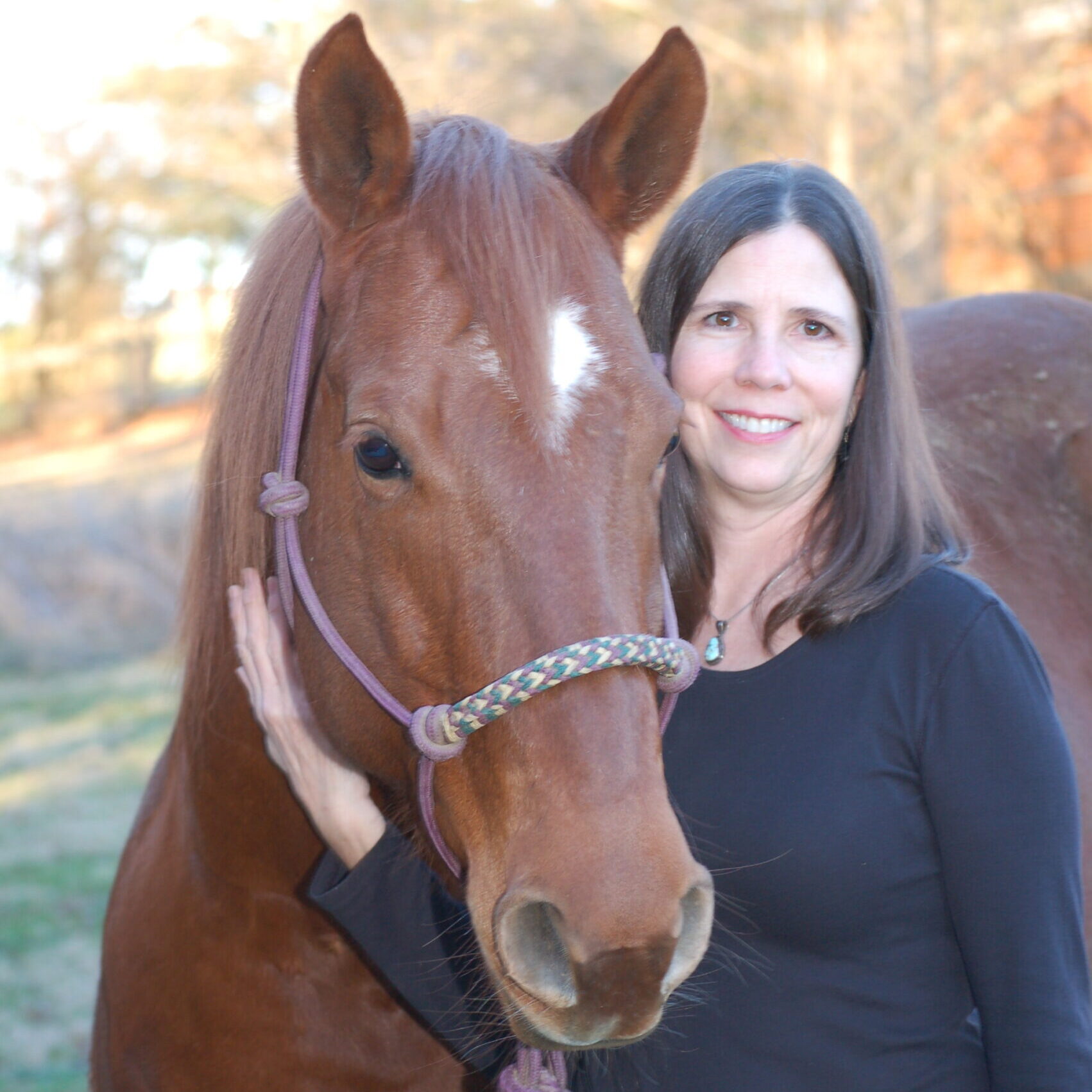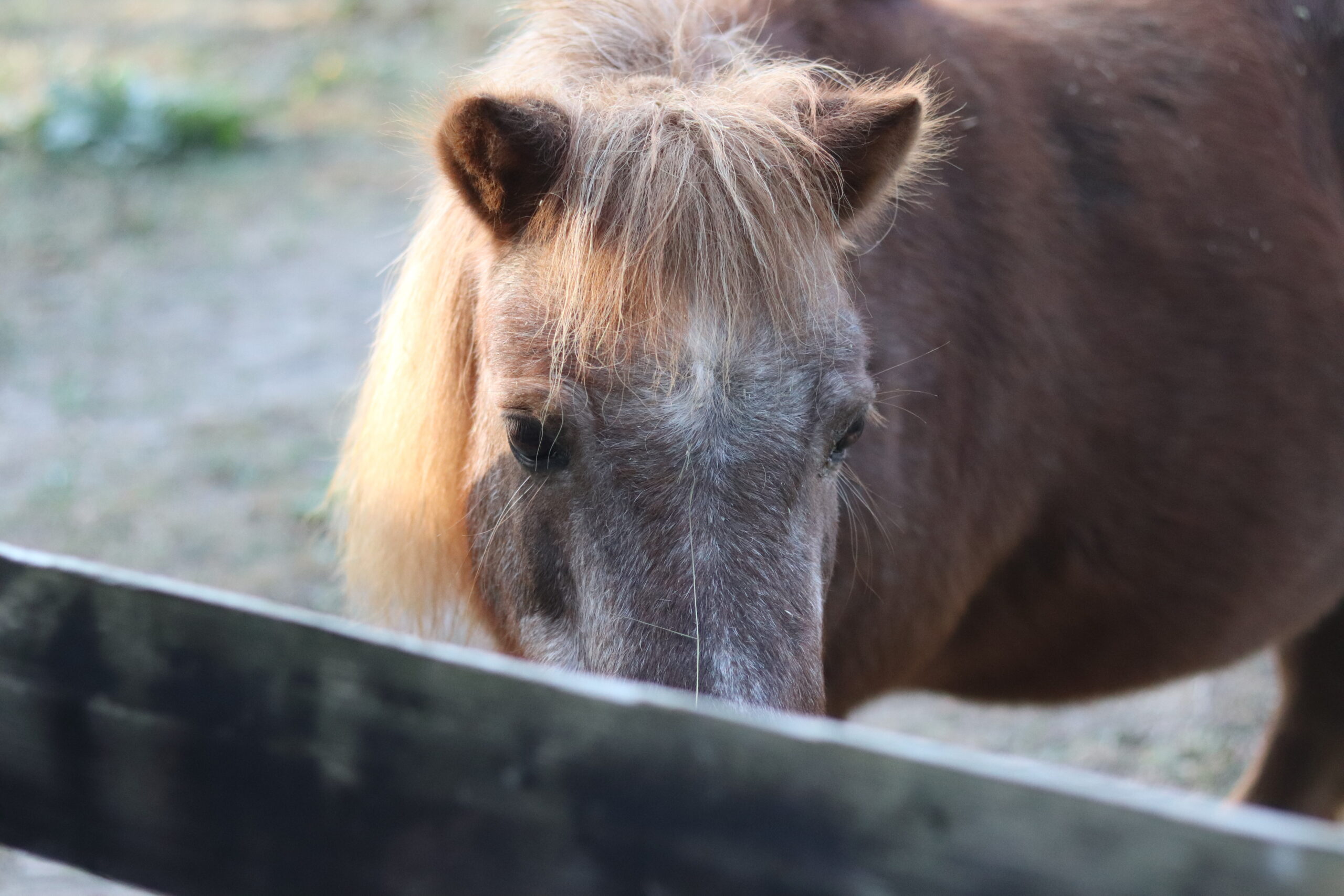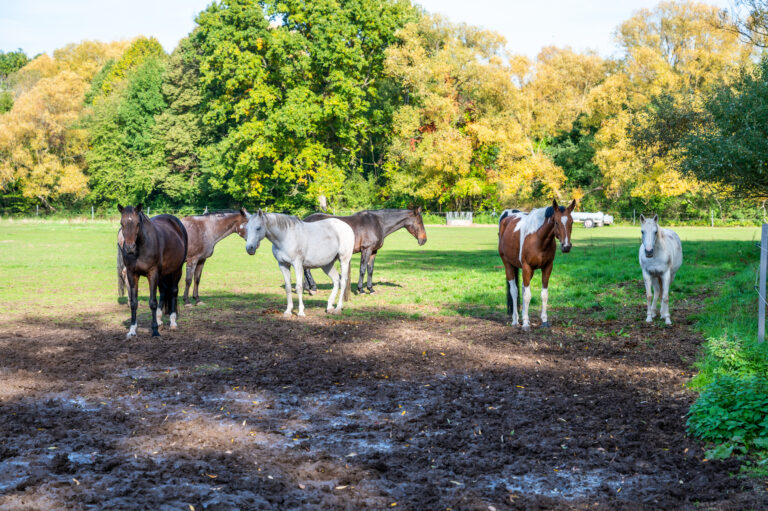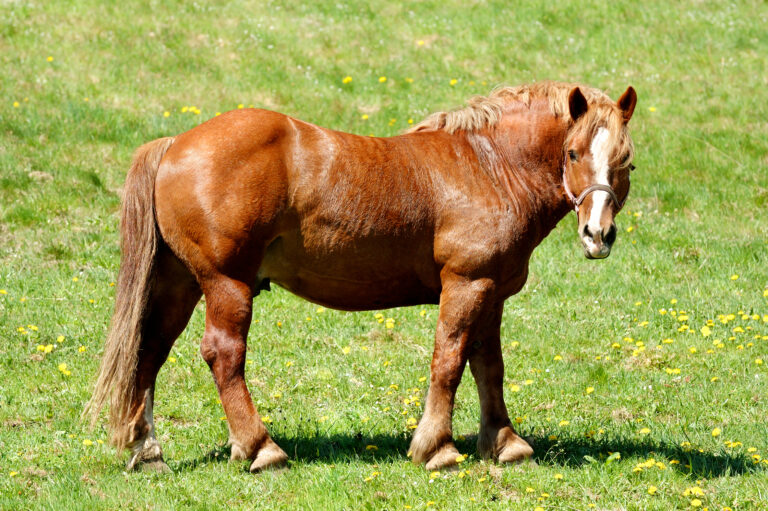
Whether you have owned horses for decades or have just purchased your first horse, owning a senior equid (15 years or older) comes with a unique set of rewards and challenges.
In this article and its companion piece, we will offer things to consider before getting a senior horse, tips for managing senior horses, and links to resources that can help you better understand and care for your senior horse.
How Many Seniors Are in the U.S.?
A 2023 survey1 showed that 90% of U.S. horse owners plan to keep their horses for life. An estimated 1.3 to 2.1 million senior horses are part of the 6.656 million horses in the United States.2 Of those U.S. senior horses, about 10% are used for competition, some at the highest levels.3 Approximately 54% of all horse owners currently care for at least one senior horse.4
Keep in mind that horses—like people—age at different rates. You should know your horse’s chronological age (in years), but understand that its physiological age (body) can age slower or faster.
Know Your Goals Before Acquiring a Senior Horse
There are several reasons to consider a senior horse. You might be a lifelong horse owner or competitor looking to step down to a non-competitive pleasure mount. Maybe you are a senior looking for a steadier ride. Or perhaps you are a lifelong horse lover who finally has the time and resources to have your own horse. But, you know there’s a lot you don’t know and think a senior might be less challenging to manage.
The first thing you should do is determine what your goals are for having a new horse, said Kris Hiney, PhD, a professor and extension specialist for horses at Oklahoma State University.
“Be realistic about what your goal is,” she advised. “Trail riding? Over fences? Is it time to pull back a little from your original competition aspirations? Do you still want to jump that four-foot oxer, or are you happy now schooling over crossrails? Is it more about enjoyment versus making the finals?” (Editor’s note: We’ll have more about senior competitors in the next article.)
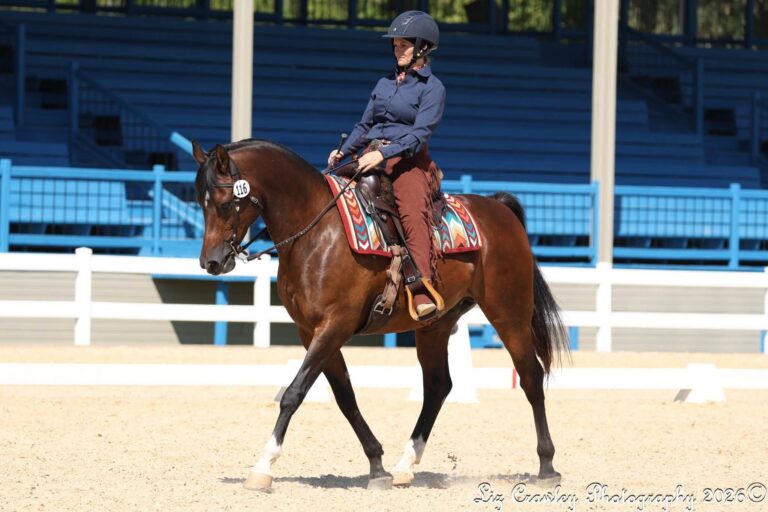
Many new horse owners look for senior horses as reliable riding companions or low-level competition mounts. Some owners look for a gentle horse that can introduce their children or grandchildren to riding.
Keep in mind that reading about horses, watching videos, and perhaps have even taking lessons isn’t the same as being responsible for a horse day-in and day-out, said Hiney. Daily management of a horse is different, especially a senior horse that might have some physical issues. Hiney offers tips to new senior horse owners and those considering a senior horse in the sections below.
Your Checklist
Know your goals. As stated above, this will help you determine what you need in an equine partner. If you aren’t sure, get help from an experienced horse owner or trainer. If you have a trusted veterinarian and farrier, seek their input.
Know your body. As any animal ages, its physiology changes. This is true for horses and humans. If you have physical limitations that would make getting on or off a tall horse challenging, then you should limit your search to shorter horses. Don’t fall in love with that draft cross or warmblood if you will constantly be frustrated trying to mount and dismount.
Along those lines, if you don’t have as much upper body strength as you used to, you might need a shorter horse and a lighter saddle so you aren’t fighting your tack each time you are preparing your horse to ride.
The suppleness of your body and a senior horse’s body can change. If you can no longer comfortably sit a big trot or canter/lope, then make sure you look at horses with smoother gaits that will be comfortable for you. Some people switch from walk/trot/canter horses to gaited horses to avoid the bounce of the trot. But, be aware that some gaited horses are not as smooth as others.
Know your limits. Keep in mind that if your horse-owning friends try to talk you out of a horse (of any age), they are trying to help you. You don’t want to finally fulfill your dream of owning a horse just to start living a nightmare because it is a bad fit for you.
Know the seller. Only buy a senior horse from someone reputable. Just because a horse is 17 years old doesn’t mean it has had a lifetime of good experiences that make it sound, broke, and suitable for your needs.
Common Health Issues in Senior Horses
Physical issues. Senior horses often come with some physical issues that will only become more pronounced as time progresses. These include:
- Osteoarthritis (OA). Research has shown that about 50% of horses older than 15 suffer from osteoarthritis. This prevalence grows to more than 80% for horses older than 30 due to normal wear and tear.5 Equine osteoarthritis is a common degenerative joint disease in horses that primarily affects the articular cartilage and underlying subchondral bone. It is usually caused by excessive stress on the joints due to intense work, age, or injury.6
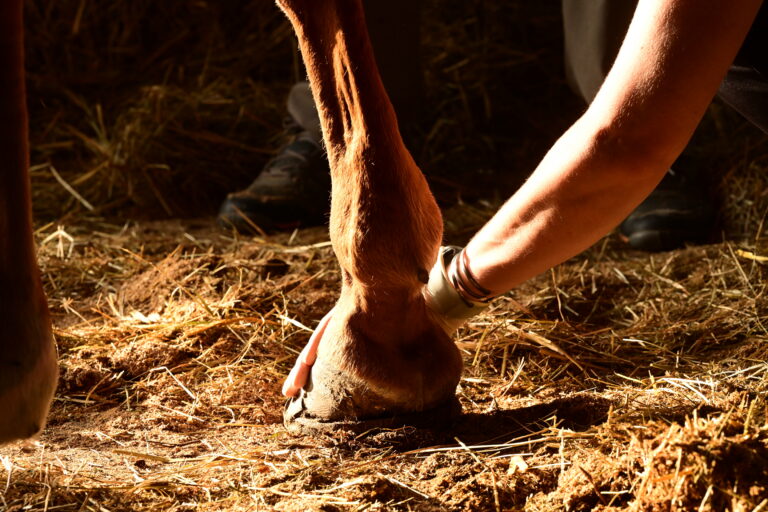
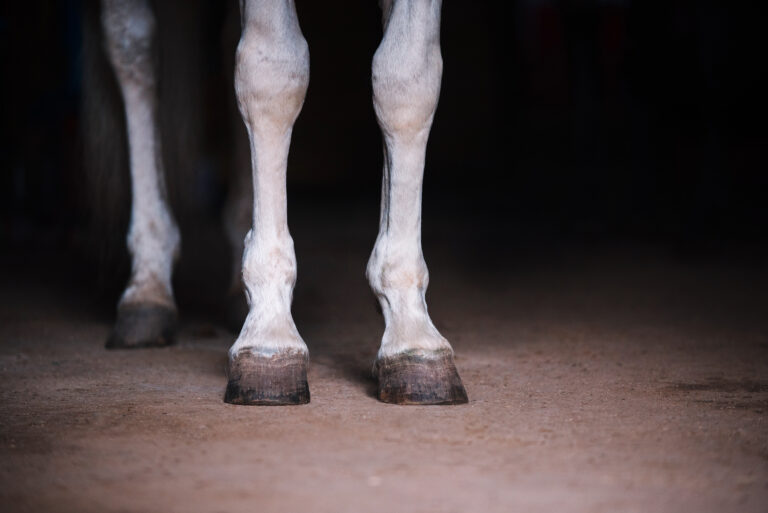
- Lameness issues. The lower limb or hoof are common sites for equine lameness. Arthritis is often the cause of lameness in aged horses.
- Laminitis issues. When the tissues that connect the hoof wall to the coffin bone inside the foot (the laminae) become inflamed, it can cause deadly laminitis.7 This is a painful disease that can necessitate euthanasia of the horse. Senior horses with insulin dysregulation or other metabolic diseases are more prone to laminitis.8
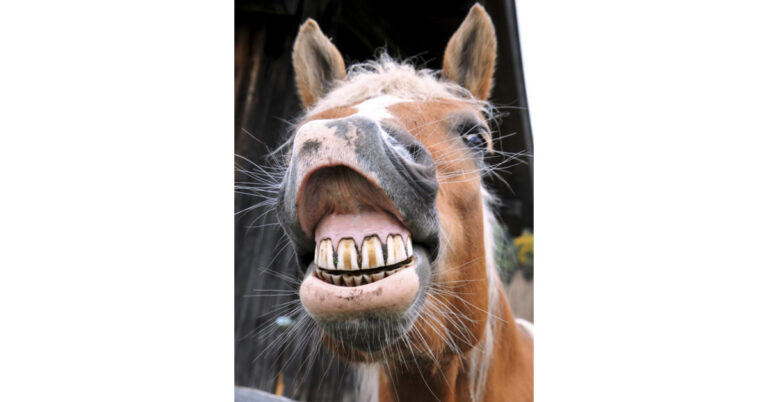
- Dental issues. If a horse lives long enough, it will run out of teeth.9 That means the older the horse, the higher the chance of it having dental issues. Horses can live with no teeth, but it is a time-consuming and costly management issue.
Metabolic issues. Aged horses are more prone to metabolic diseases, including:
- Equine metabolic syndrome (EMS) is a group of risk factors that together have a strong association with the most common form of laminitis.10
- Insulin dysregulation (ID) is one of the most significant risk factors for endocrinopathic (hormone-linked) laminitis in horses.11
- Pituitary pars intermedia dysfunction (PPID, also known as equine Cushing’s disease) is common in senior horses. It is a disease of the pituitary gland. Studies have shown that about 20% of horses over the age of 20 will start to have clinical signs of this disease. That goes up to about 30% of horses over 30 years of age.12, 13
Other Senior Horse Management Considerations
Training and behavior. Senior horses usually have more experience with a variety of environments and have had more time for training. That can make them less likely to spook, buck, or run off with an inexperienced or less physically capable rider. Senior horses can also be more adaptable to different kinds of riders based on their experiences. But, make sure you find out the horse’s background and experience before making assumptions.
Feeds and feeding. Some senior horses can become obese due to metabolic issues and being easy keepers. Other senior horses will become thin due to dental problems, diseases, or muscle loss.
Herd management can become more difficult as horses age in some cases. Dental issues and arthritis in the jaws can mean horses eat slower and might need to be segregated at meal times. Seniors also might not get up, lie down, or move as easily as younger horses, thus requiring special management in herd situations.
Pain management due to various conditions can be a consideration when managing a senior horse.
Saddle fit can change as the horse ages, especially if it is losing muscle mass.
References
- Special Issue: Help Horse Owners Prepare for Care. EquiManagement 2024
- 2023 Economic Impact Study of the U.S. Horse Industry. American Horse Council
- U.S. Senior Horse Survey: Focus on Competition. MySeniorHorse.com. 2025
- Merck Animal Health Equine Health Library
- Joint Fluid Proteins Could Enable Early Detection of Equine Osteoarthritis. Kimberly S. Brown. MySeniorHorse.com
- What You Should Know About Equine Osteoarthritis. MySeniorHorse.com
- My Senior Horse Podcast: Effects of Laminitis on the Horse’s Foot. Dr. Andrew van Epps. MySeniorHorse.com
- Equine Laminitis: Can You Spot the Signs. Sarah Nelson. MySeniorHorse.com
- My Senior Horse Podcast: Senior Dental Issues. Dr. Jack Easley. MySeniorHorse.com
- Characteristics of Equine Metabolic Syndrome. Dr. Simon Bailey. MySeniorHorse.com
- MySeniorHorse Podcast: Insulin Dysregulation. Dr. Nicola Menzies-Gow. MySeniorHorse.com
- My Senior Horse Podcast: PPID Part 1. Dr. Hal Schott. Check out Part 2 here and Part 3 here. MySeniorHorse.com
- Clinical Signs of PPID You Might Not Know. Dr. Edd Knowles. MySeniorHorse.com
Senior Horse Poll Responses
We asked readers of our sister site MyFirstHorse.com about owning a senior as their first horse. The top responses were:
- 47% said they felt more confident with a calm, experienced horse.
- 17% said the horse was free or less expensive.
- 13% said ‘The horse I loved just happened to be older.’
Related Content
- Senior Equine Hind Limb Lameness and Longevity. Dr. Tracy Turner. MySeniorHorse.com
- Help! My Senior Horse is Losing Weight! Dr. Nettie Liburt. MySeniorHorse.com
- Feeding Older Horses That Are Easy Keepers. Alexandra Beckstett. MySeniorHorse.com
- PPID/Cushing’s Category of Content. MySeniorHorse.com
- Coat Changes and Immune System Shifts in Senior Horses. Kimberly S. Brown. MySeniorHorse.com
- When Is a Horse Considered ‘Senior’? Clare Barfoot, RNutr. MySeniorHorse.com
- Developing a Feeding Plan for Your PPID Horse or Pony. Dr. Pat Harris. MySeniorHorse.com
- Quality of Life Tool for Monitoring PPID Horses. Alexandra Beckstett. MySeniorHorse.com
- Are We Overlooking Pain in Senior Horses? Lessons from Owner-Veterinarian Conversations. Christa Lesté-Lasserre. MySeniorHorse.com
- Managing Chronic Pain in Senior Horses. Carly Sisson. MySeniorHorse.com
Sign up for My Senior Horse’s FREE newsletter to get the latest information about equids 15 years and older delivered straight to your inbox!