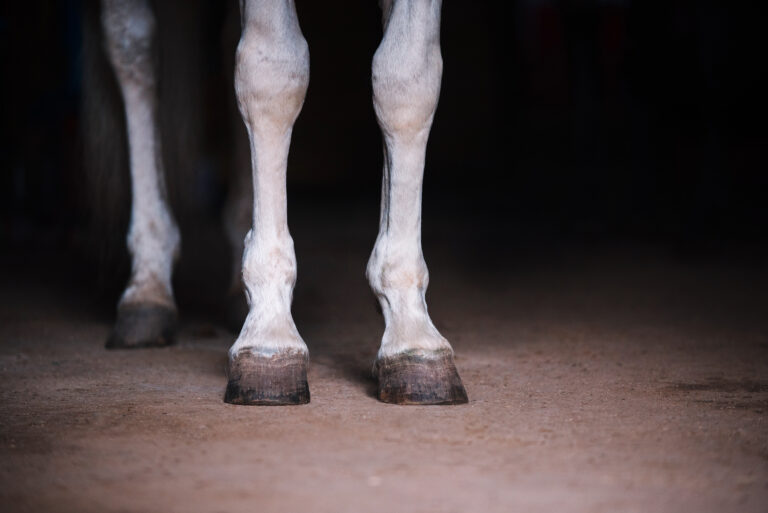
Understanding equine hind limb conformation can help you better care for your horses. It also can assist in having better conversations with your veterinarian and farrier. Veterinarians feel that hind limb lameness can be more subtle than forelimb lameness. And hind limb lameness can sometimes be harder to diagnose.
In this article, we’ll get some tips from Tracy Turner, DVM, DACVS, DACVSMR (Equine), about equine hind limb lameness and helping seniors with lameness issues. Turner is the co-owner with his wife, Julia Wilson, DVM, DACVIM, of Turner Wilson Equine Consulting and is the immediate past president of the American Association of Equine Practitioners (AAEP). Turner and Wilson are also involved with the Equitarian Initiative.
Common Cause of Equine Hind Limb Lameness
The most common cause of hind limb lameness in senior horses is arthritis, stated Turner. “Probably the most common joint involved is the hock,” he added.
Turner said horses can get arthritis in any joint “top to bottom.” He added that the stifle, coffin, and pastern joints are also common spots for arthritis in older horses. He said arthritis issues in the back (i.e., sacroiliac area) and spine are also common in older horses.
“You can’t go through life without picking up some jewelry,” he joked about people and horses getting arthritis.

Hoof Changes
Turner has noticed over the years that as horses age, foot conformation changes. “Either we are seeing it more or recognizing it more,” he noted. “Some of it might be age-related and some might be environmental.”
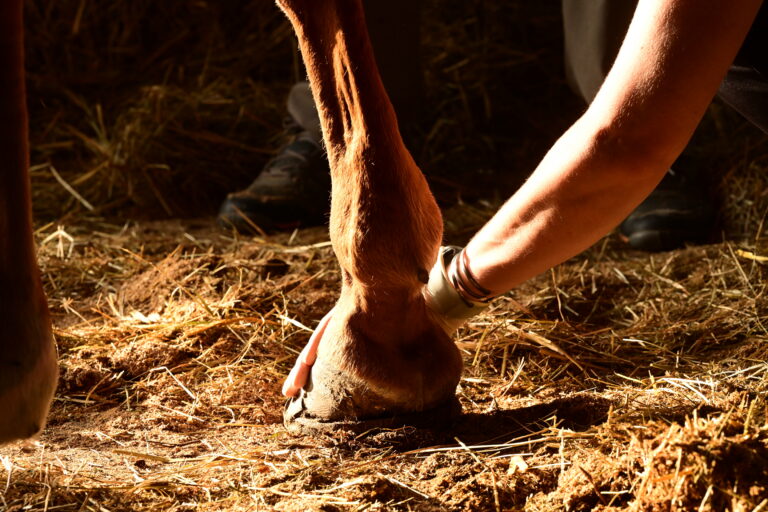
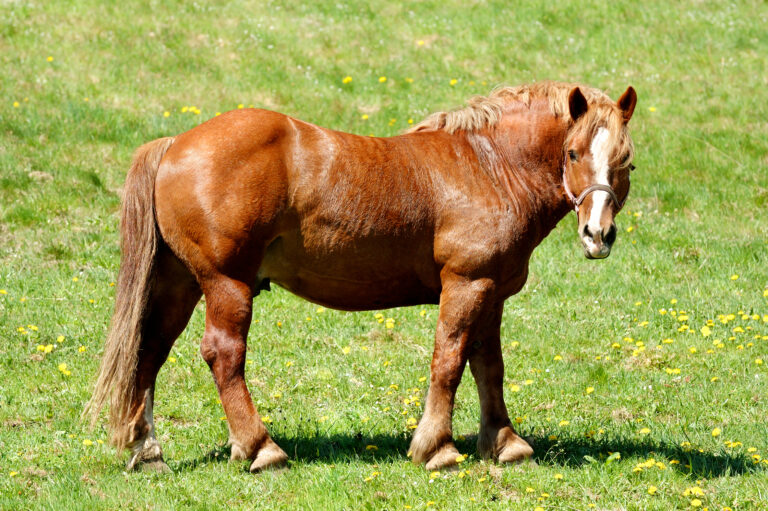
He said to watch for “low” hoof conformation behind. This is when a horse gets a lot of toe, which has a rounded appearance. “As you look at it from the side, it’s almost a bull-nose appearance,” Turner described.
Your farrier might say they are “backing up” the foot to try to ease breakover. “To me that’s a warning signal to look at the feet very closely,” said Turner. “When you X-ray the bones, what you’re going to see is a low, almost negative or neutral sole angle.”
Muscling
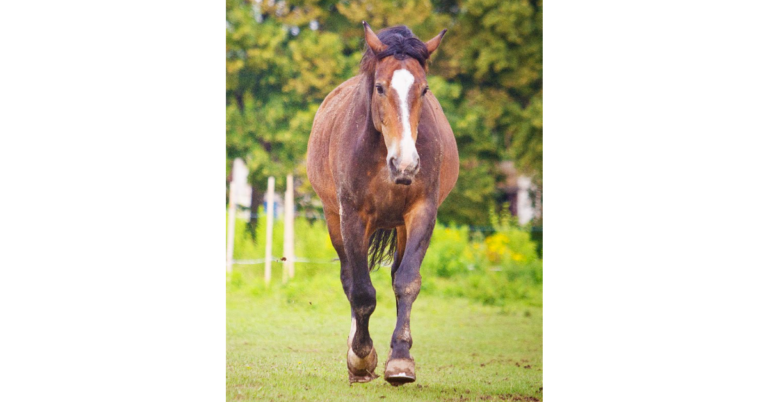
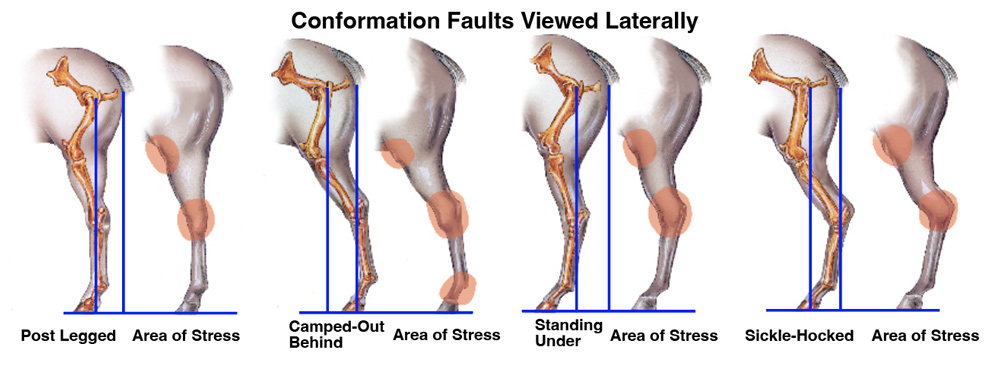
Another thing Turner said to watch on older horses is muscling. “Their hind legs get straighter,” he noted. Turner said horses lose some angulation of the stifle in particular and the leg becomes straighter. “It puts more pressure on the suspensory ligament, and the fetlock looks like it drops more,” he said. “But what I noticed through my years was that I think some of these older horses, like people, they lose musculature. They lose conditioning. And when that happens, you lose the angulation.”
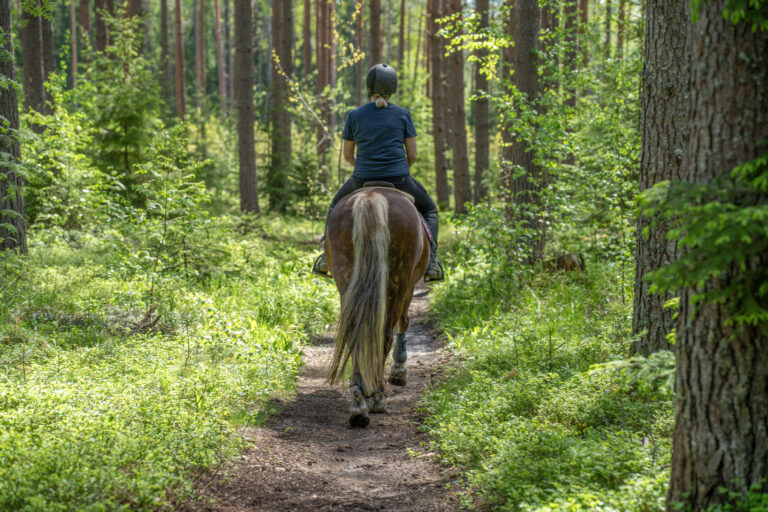
While Turner said he doesn’t have research to back this muscle claim, “I started making sure that these horses were getting more exercise. Just like the rest of us old people, we need to get out and exercise. So, I put horses on an exercise plan where you’re just taking a horse out for trail ride, a walk, or ponying them along with another horse on a trail ride to get them out and move them. Because, what are they going to do left on their own? They’re going to sit out in the pasture and eat as much as they can, or stand around and take it easy. And I don’t blame them.
“I know it helped a lot of horses, especially these older ones,” he stated.
Exercise and Interaction
Turner thinks most horses like to interact with people. They are used to getting brushed and having attention.
He said he thought about this topic for quite a while when we brought it to him. “I think the best thing that I could tell people to do is take their old horses out for a walk with them!”
He added, “You don’t have to do top-level stuff, but do some stuff. I think that’s a mistake we make. If you like to dance, you still want to dance no matter how old you are. If they didn’t like it, they wouldn’t have done it in the first place.”
Turner suggested thinking outside the box to provide the horse with some exercise. He said to remember that exercise is good for arthritis.
“Motion is lotion,” he noted. “Make sure you are focusing on muscle strength, flexibility, and endurance.”
Treatment
Turner thinks horses should receive judicious joint injections for comfort. “I think you need to invade the joints as few times as necessary,” advised Turner. “You do what’s necessary to reduce inflammation, these days with some of the newer stuff we’re calling regenerative therapies.
“And for arthritis, no, you don’t need to inject all of these things,” he said. “Exercise is going to help the arthritis. Low intensity exercise can be helped by the use of non-steroidal anti-inflammatory drugs.”
He said to talk to your veterinarian about using something like bute ahead of a trail ride. He cautioned about using steroids due to arthritis and possible laminitis when horses have metabolic conditions.

Supplements and More
“I take supplements,” said Turner. “I’d be lying to you if I said my old horses aren’t on some supplements.
“You get to a certain age, and I’m pretty much going to do whatever I can that’s not horribly costly [trying to manage the aging process],” he said. “Because every day could be a new experience in discomfort one way or the other.”
Turner also said he personally uses a chiropractor and massage therapist. He said he’s okay with people who want to use those for their horses. “But I don’t think they should replace periodic examinations by their regular veterinarians,” he advised.
Tack and Senior Conformation
Turner said as horses age, their conformation changes. This means owners should be aware of how tack is fitting an older horse. This can affect their comfort.
Further Content
- Managing Chronic Pain in Senior Horses. Carly Sisson. MySeniorHorse.com
- How to Recognize Early Signs of Joint Issues in Horses
- Older Horse Pain Management Research
Sign up for My Senior Horse’s FREE newsletter to get the latest information about equids 15 years and older delivered straight to your inbox!