
Learn about the well-being of senior mares and stallions from reproductive specialist Karen Wolfsdorf, DVM, DACT (Diplomate of the American College of Theriogenologists). She is a shareholder in Hagyard Equine Medical Institute in Lexington, Kentucky. Wolfsdorf not only sees her own clients’ horses, but consults with other veterinarians on many referral patients. “I get to see a wide range of types of horses and ages of horses,” she said.
(Editor’s note: The content of this video is the expert’s approach to the topic. Please consult with your practitioner if you have questions.)
Assessing the Older Breeding Animal
Wolfsdorf said the first thing she likes to do when assessing an older mare or stallion is to stand back and look at the animal.
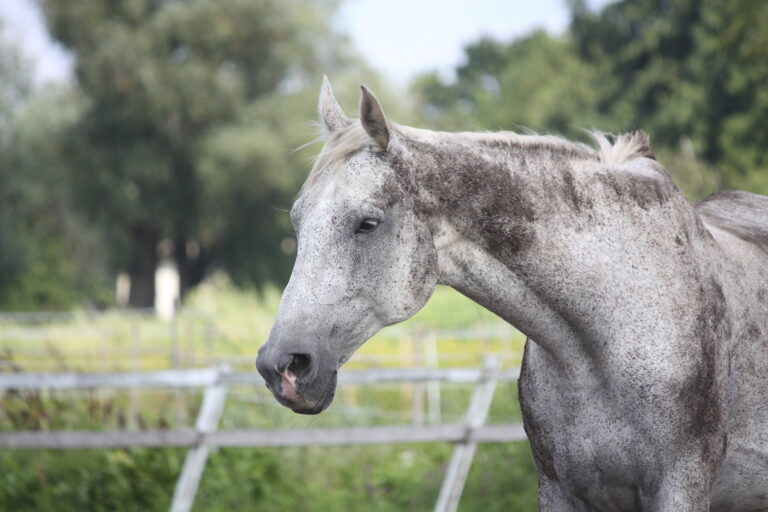
“It’s important to note specific areas and features about the animal,” she said. “I start at the head. I look at the eyes and nose and make sure there are no signs of discharge.” Wolfsdorf said she also looks for growths that could be tumors.
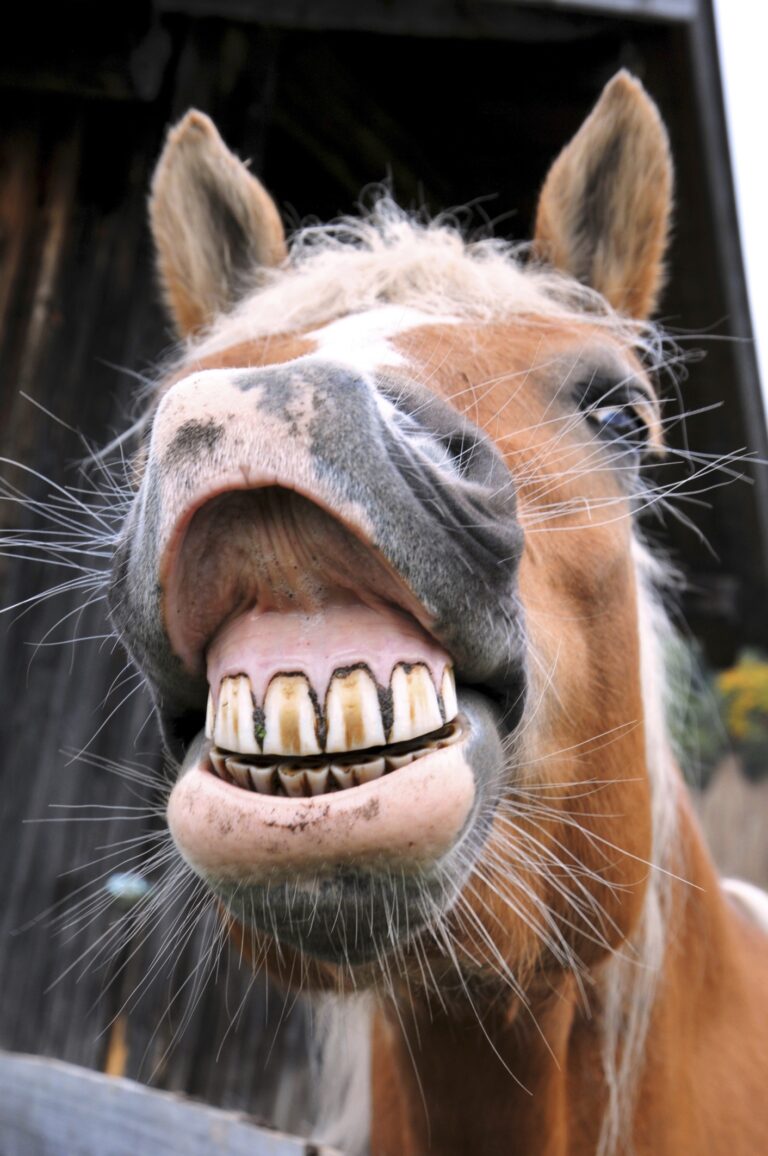
“We also want to look at teeth, because teeth are very important when it comes to body condition,” she added. Knowing the health of the teeth also will dictate what feed the horse can have, Wolfsdorf added.
PPID and Well-Being
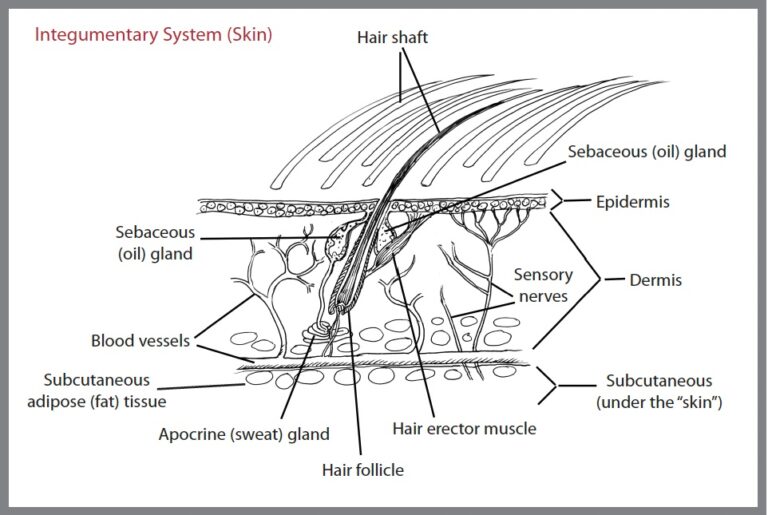
“I move back and look at the skin and hair quality of the coat. Some older horses can develop a disease called pituitary pars intermedia dysfunction (PPID), better known as Cushing’s disease. What happens there is that horses can present with very long, thick coats inappropriately. So you would have a very long-coated horse in the middle of summer. That is not normal and that is not comfortable for the horse.”
In conjunction with PPID, she also looks for muscle wasting and an increased chance of laminitis. Wolfsdorf said mares with PPID can also have reproductive issues; they often won’t cycle properly because of this dysfunction.
For PPID, Wolfsdorf said if during the examination there are increased fat pads over the withers, shoulders, or buttocks, it could be due to another diseases called equine metabolic disease where insulin resistance is involved, leading to inappropriate metabolism.
Wolfsdorf said if you see abnormalities such as long hair, fat pads, increased laminitis, general unhealthiness, or increased colds or fevers because of a compromised immune system, “these are all things you should ask your veterinarian about so they can do the appropriate testing.”
Final Words
It’s important to manage senior mares and stallions based on their age and health status. With help from your veterinarian—and maybe a reproductive specialist—senior mares and stallions can live long, happy, reproductively successful lives.
Further Content
- Care of the Older Stallion Video. with Dr. Maria Schnobrich. MySeniorHorse.com
- Exercise and General Health of Senior Breeding Equids Video. Dr. Mariah Schnobrich. MySeniorHorse.com
- Breeding Maiden Senior Mares Video. Dr. Karen Wolfsdorf. MySeniorHorse.com
- Mare Reproductive System Diagram. MySeniorHorse.com
- Older Mares: Oils and Nutrients Can Help Oocyte Metabolism. Kimberly S. Brown. MySeniorHorse.com
- Addressing Older Eggs in Senior Mares Video. Dr. Karen Wolfsdorf. MySeniorHorse.com
Sign up for My Senior Horse’s FREE newsletter to get the latest information about equids 15 years and older delivered straight to your inbox!