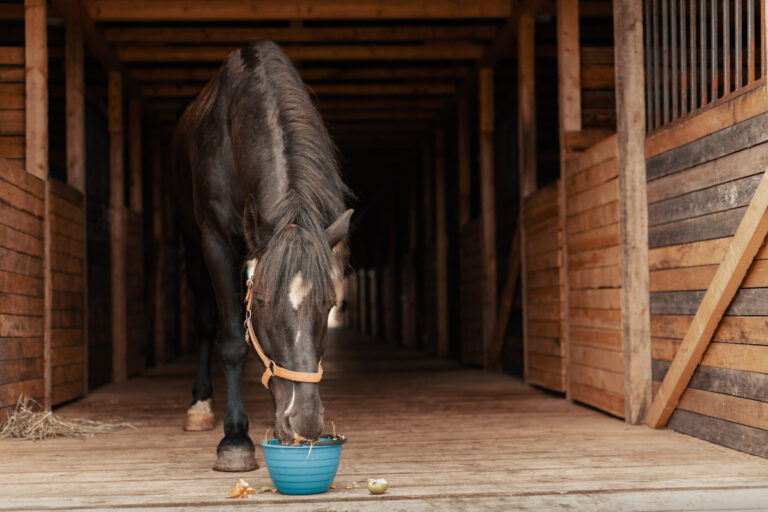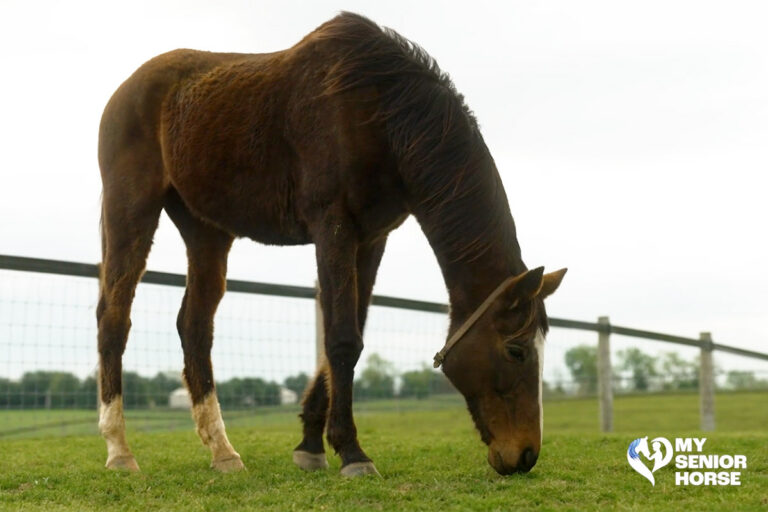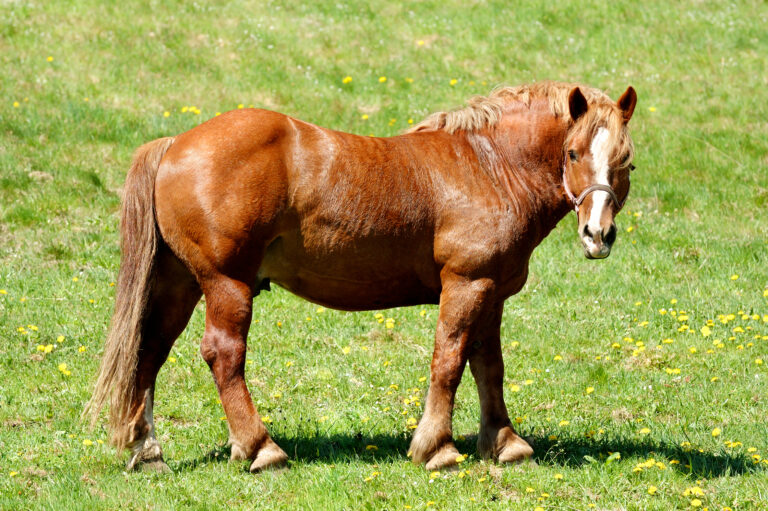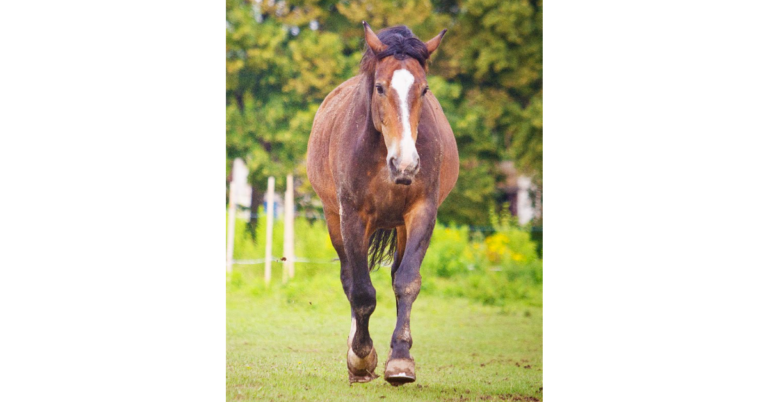
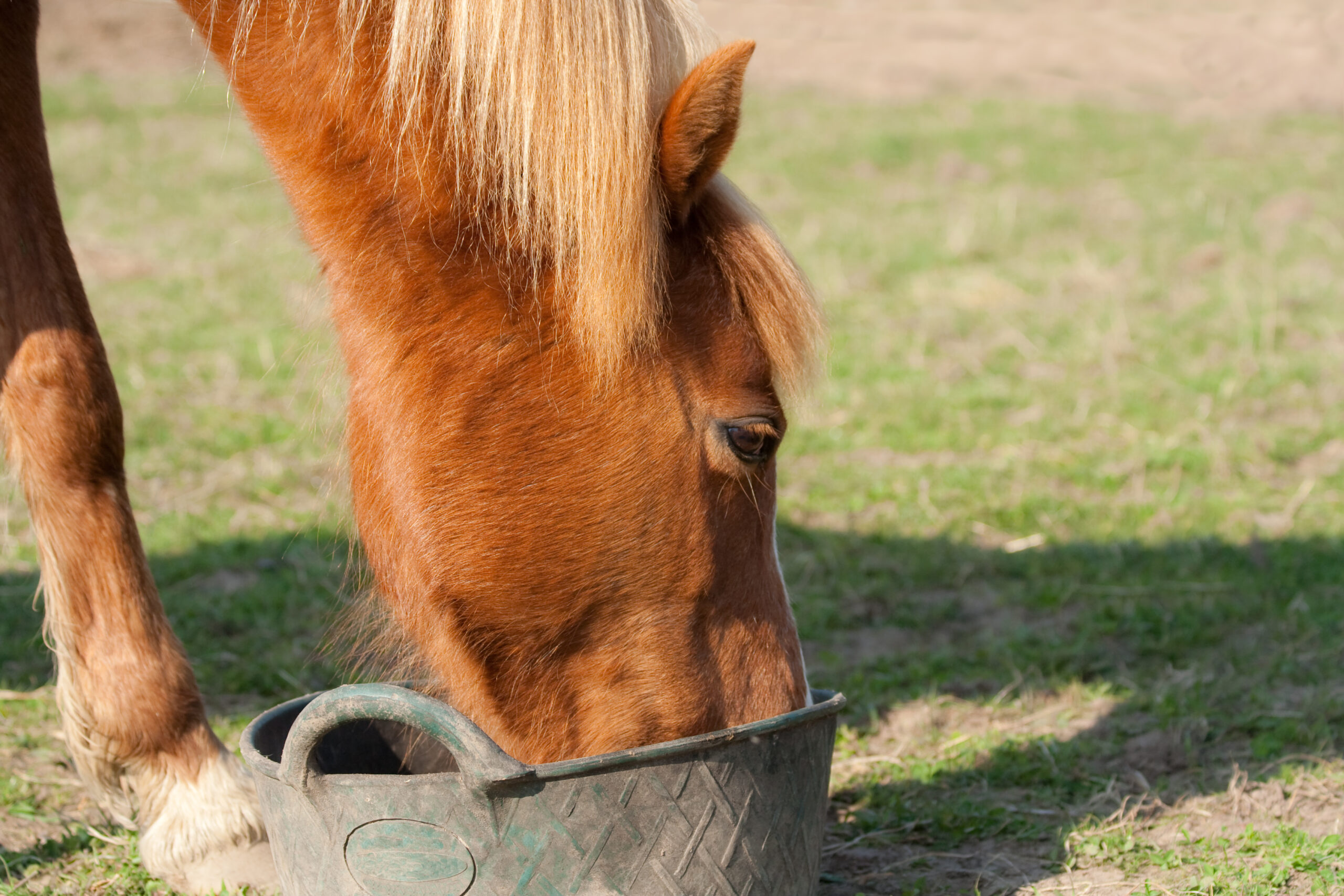
It is crucial to regularly assess your horse’s condition and the success of your feeding plan. Not all animals are overconditioned—you might find that the demands of lactation have lowered the body condition of your older broodmare or that the stresses of traveling have drained the energy from your senior performance horse. Late summer and early fall are also ideal times to increase weight and condition in some of your retired horses before winter’s harsh weather sets in.
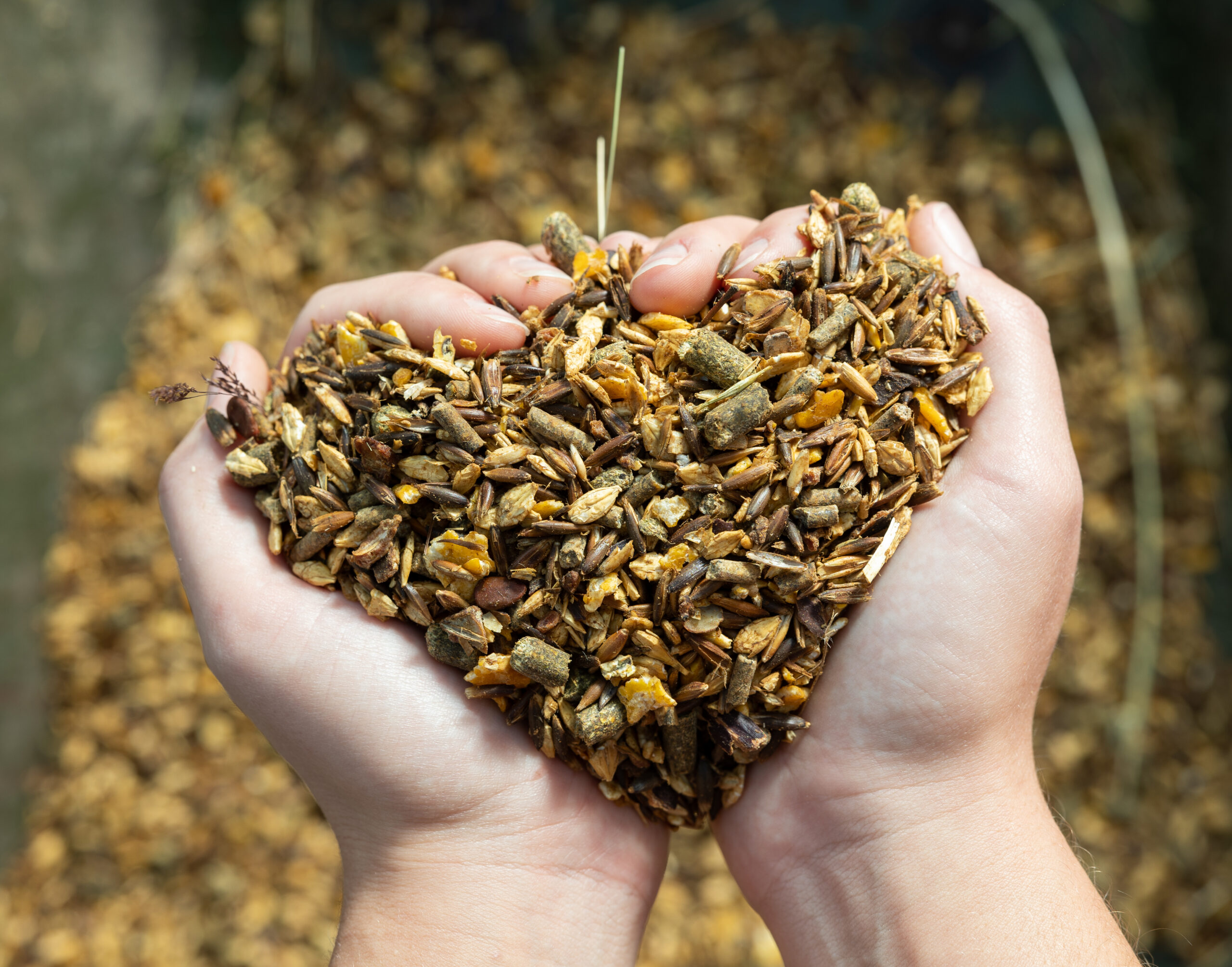
To put the appropriate weight and condition on a horse, it might be tempting to increase the amount of grain fed. Unfortunately, this program can have unintended consequences—a mostly grain-based diet results in a high intake of nonstructural carbohydrates (starch and sugar). The horse’s gastrointestinal tract is not designed to handle large amounts of such carbohydrates. A high-grain diet can lead to changes in the microbial population of the hindgut, resulting in an increased incidence of colic and diarrhea, as well as a greater risk of conditions such as gastric ulcers, tying up, and laminitis.
Oil for Added Calories
To increase calories in the horse’s diet safely, it is worth considering the benefits of feeding vegetable oil/fat over increasing the amount of grain. Such supplementation, if done gradually, can meet increased energy needs without increasing the risk of certain adverse events and can do so in a smaller volume than added grain. You do, however, want to maintain a good forage intake.
Vegetable fats/oils contain more than twice as much energy as carbohydrates, which means energy needs can be met with less feed—this can be very important in some animals for which appetite is an issue. In addition, when horses metabolize vegetable oils/fats, less energy is lost as heat, leaving more energy available for maintenance and production.
Other Advantages of a High-Fat/Oil Diet
For those of you with older horses still used for performance, research has shown the following possible exercise-related benefits of a high-fat/oil diet:
- Increased endurance.
- Decreased thermal stress during exercise.
- Decreased carbon dioxide load during exercise.
- Behavioral advantages.
High-oil feeds have been shown to decrease the rate of gastric emptying, potentially reducing the blood insulin levels that can occur after a meal. Insulin spikes influence the incidence of laminitis and might be associated with hyperactive behavior in some horses. Increases in dietary vegetable oil/fat intake can have a sparing effect on energy substrates such as glucose and glycogen. The spared glycogen increases the readily available energy to working muscles and can delay the onset of fatigue.
Soybean oil, corn oil, flaxseed, and stabilized rice bran are sources of vegetable fat/oil commonly used in equine diets. The horse digests these sources easily and finds them palatable. Each source provides varying levels of inflammatory and anti-inflammatory fatty acids. The calories supplied through all these sources will reduce the need for large grain-based diets.
In Summary
Understanding how to increase calories by feeding fat or oil will reduce reliance on grains while ensuring the horse’s diet maintains an appropriate amount of forage. This approach lowers the risk of negative effects from a high-starch or sugar-based diet while providing a more nutrient-dense feed, all of which can contribute to a healthier horse.
Further Reading
- How Diet Can Help Your Horse’s Coat
- Nutrition and the Horse’s Hoof Wall
- Tips For Equine Weight Gain Through Increased Body Fat
Sign up for My Senior Horse’s FREE newsletter to get the latest information about equids 15 years and older delivered straight to your inbox!
-
View all posts
Bryan Cassill, MS, MBA, is the Commercial and Formulations Manager for Mars Horsecare and BUCKEYETM Nutrition.