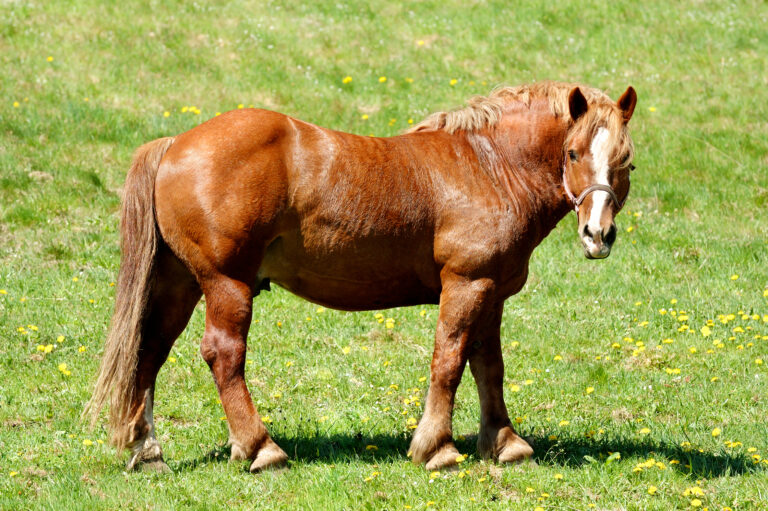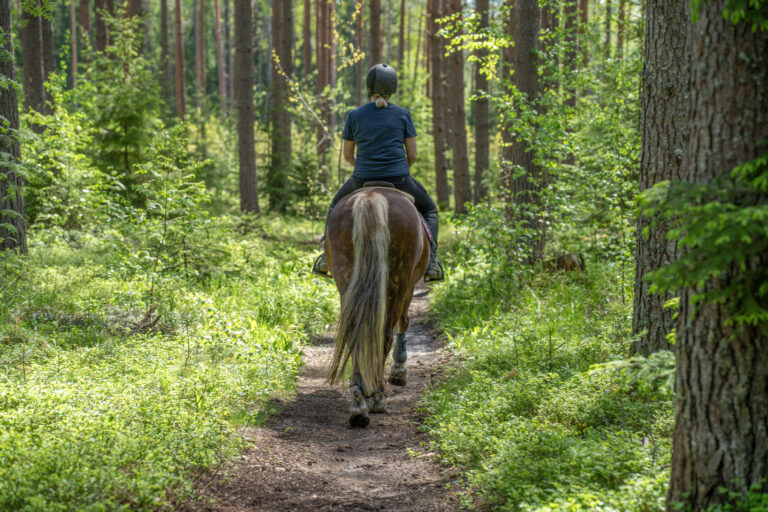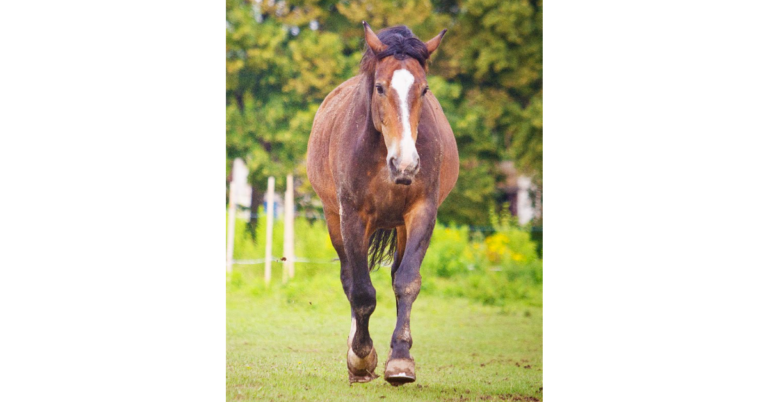

There’s little more pleasing to the horse owner’s eye than a gleaming coat on their animals. However, achieving this badge of honor is about more than just good grooming (although that is essential!). In this article, we explain how your horse’s diet can help create a show ring shine, even on your senior horse.
First Step: Think Outside the Bucket!
The biggest influence on coat condition is your horse’s overall health. Therefore, it pays to start with the basics. That includes regular dental check-ups, staying on top of worming/fecal egg counts, and looking for signs that indicate an underlying health condition. If you have concerns over any of these aspects of your horse’s management, speak to your vet for advice.
A healthy digestive system is the foundation of a healthy horse. So, wherever possible, feed as much forage as your horse will eat (while avoiding excessive waste).
For overweight horses, remember that total forage intake should not be restricted to less than 1.5% of current bodyweight per day on a dry matter basis without veterinary advice. On an ‘as fed’ basis—the amount you need to weigh out—this is equivalent to approximately 9 kg (19.8 pounds) of hay for a 500-kg (1,100 pound) horse without grazing (or 11 kg/24 pounds if you intend to soak it before feeding).
Making sense of the different feeding rates and accounting for grass intake can feel daunting. For practical, tailored advice, consider contacting a nutrition specialist.
A Balanced Diet
Nutrient deficiencies can affect coat condition, quality, and growth. Providing your horse with a well-balanced diet is the key to producing a healthy horse on the inside and a shiny coat on the outside.
Some of the powerhouse nutrients when it comes to coat condition include:
- Good-quality protein, particularly sulphur-containing amino acids (the building blocks of proteins) such as methionine, which are important for hair production.
- Vitamins A and E
- Zinc and copper
Oil and the Coat
Vegetable oil provides a source of essential fatty acids. It can be the icing on the cake when it comes to achieving shine. But remember, it’s highly calorific! A small amount (30-50 mls or 1-1.7 ounces for a 500-kg horse) won’t pile on the pounds. But, it’s no substitute for providing a balanced diet.
There are considerations for poor doers and those with high energy (calorie) requirements. Feeds high in oil as opposed to cereal starch help to support digestive health. They also provide fatty acids to help support skin and coat health.
If you prefer to feed oil from a bottle (or high-oil feeds without added vitamins and minerals), it’s important to ensure the total diet provides enough vitamin E (for its antioxidant properties). Consider contacting a nutrition specialist for advice before adding oil on top your current feed, especially if feeding more than 100 mls (3.4 ounces) of oil/day.
Any oil fed to horses should also be fresh (it easily goes rancid in hot weather), stored in a cool, dark place and introduced gradually.
Beyond Coat Shine
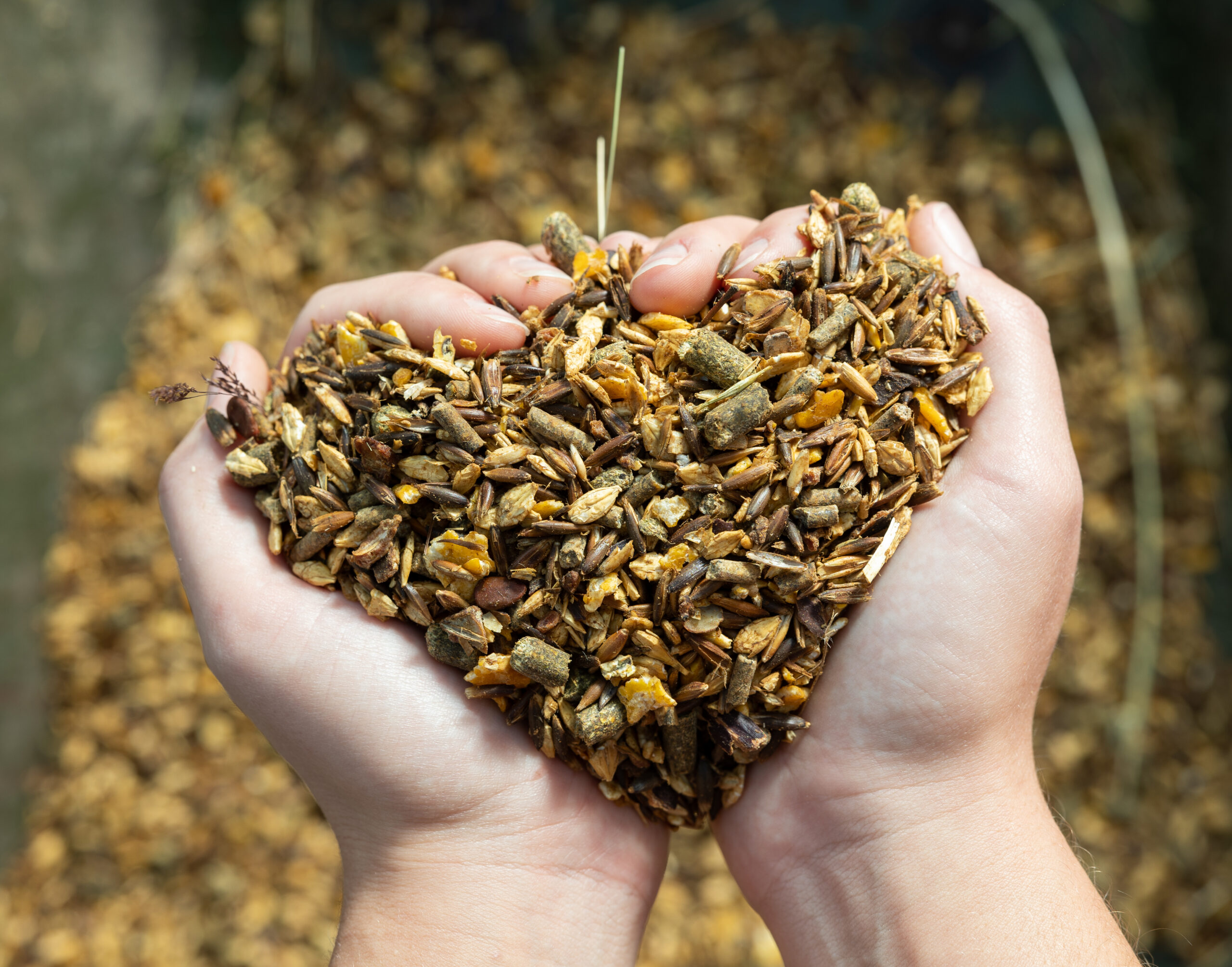
Providing a balanced diet is one of the best ways you can you support your horse’s overall health and wellbeing. In most cases, this can easily be achieved by feeding the recommended amount of a fortified cube (pellet), mix (sweet feed), mash, or balancer.
Vitamins and minerals are involved in a myriad of essential roles, including:
- Producing blood cells
- Blood clotting
- Regulating fluid balance
- Producing certain hormones
- Muscle contractions—including those that make your horse’s heartbeat!
- Development and maintenance of healthy bones and teeth
- Maintaining respiratory, muscle, and immune health
Although not scientifically proven, seniors might benefit from a diet that provides the vitamins and minerals required for ‘one step above’ their current workload. For example, you can provide retired horses with sufficient vitamins and minerals for light work and provide horses in light work with sufficient vitamins and minerals for medium work.
Balancers Versus Other Complementary Feeds
Forage, whether it be grass, hay, or haylage, can easily meet if not exceed calorie requirements for many horses. In those situations, a balancer (commonly known as a ration balancer in the U.S.) is the ideal way to provide essential nutrients without promoting weight gain.
These powerful little pellets are packed with vitamins, minerals, and amino acids to balance shortfalls in forage. Thanks to the low feeding rate—typically just 500 g per day for a 500-kg horse in the UK or 1-1.5 pounds per day for an 1,100-pound horse in the U.S.—they add minimal calories, starch, and sugar to the diet.
While broad spectrum vitamin and mineral supplements are also designed to balance forage, they typically contain little if any amino acids. Despite the low feeding rate, balancers should be divided into multiple small meals for those that are severely insulin dysregulated.
For seniors that need more calories, the recommended amount of a suitable cube (pellet), mix (sweet feed), or mash with added vitamins and minerals is often the most convenient and cost-effective way to provide a balanced diet. When it comes to deciding which feed(s) are most suitable for your horse, it’s important to consider the animal’s current body condition, diet, clinical history, dental health, routine, and temperament.
Overall, it’s beneficial to seek advice from a nutrition specialist.
Further Content
- Ethically Restricting Feed Intake for Horses. Laine Pershaw and Edd Knowles. MySeniorHorse.com
- Feeding Horses and Ponies Prone to Laminitis, Part 1. Sarah Nelson. MySeniorHorse.com
- Feeding Horses and Ponies Prone to Laminitis, Part 2. Sarah Nelson. MySeniorHorse.com
- My Senior Horse Video: Overweight Horse Management. Bryan Cassill. MySeniorHorse.com
- A Guide to Equine Body Condition Scoring. Sarah Nelson. MySeniorHorse.com
- How to Feed Your Overweight Horse Video. Bryan Cassill. MySeniorHorse.com
- The Horse Trust ‘Weight to Win’.
- Tips for Equine Weight Gain Through Increased Body Fat. Dr. Pat Harris. MySeniorHorse.com
- My Senior Horse Podcast: Weight Loss Part 1. Drs. Pat Harris and Nicky Jarvis. MySeniorHorse.com
- My Senior Horse Podcast: Weight Loss Part 2. Drs. Pat Harris and Nicky Jarvis. MySeniorHorse.com
- My Senior Horse Podcast: Weight Loss Part 3. Drs. Pat Harris and Nicky Jarvis. MySeniorHorse.com
- Effective Strategies for a Horse’s Healthy Weight Gain. MySeniorHorse.com
- Tips on Helping Your Horse Gain Weight Video. Dr. Yvette Nout-Lomas. MySeniorHorse.com
- Help! My Senior Horse Is Losing Weight! Dr. Nettie Liburt. MySeniorHorse.com
- 7 Management Tips to Reduce the Risk of Feed-Associated Equine Colic. Dr. Pat Harris. MySeniorHorse.com
- Equine Appetite Loss. MySeniorHorse.com
Sign up for My Senior Horse’s FREE newsletter to get the latest information about equids 15 years and older delivered straight to your inbox!