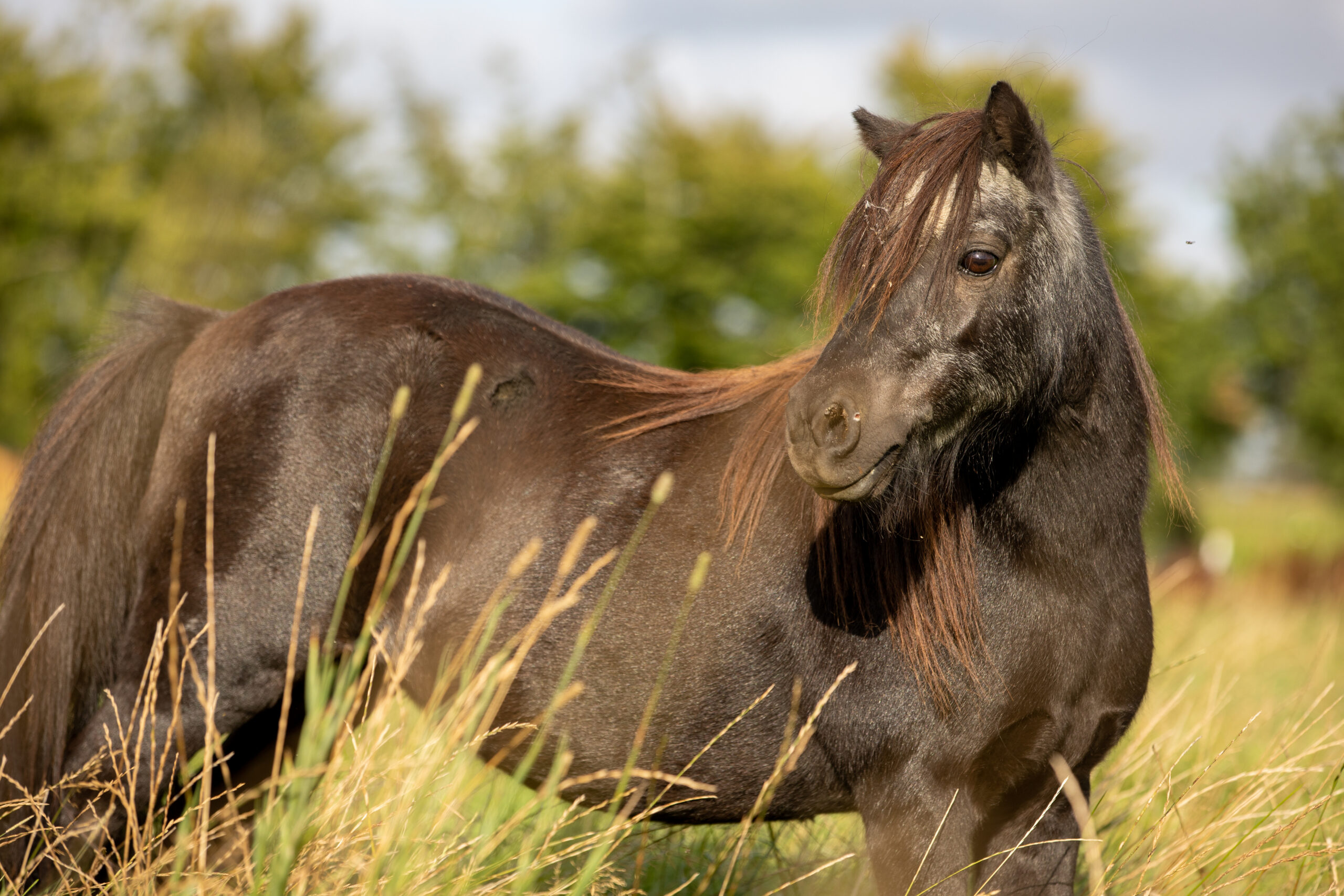
Dr. Cosette Faivre of Hagyard Equine Medical Institute talks about the basics of equine metabolic syndrome (EMS) in this video.
Faivre said that while equine metabolic syndrome is seen in older horses, it can occur in horses of any age.
“Equine metabolic syndrome is a constellation of clinical signs or risk factors that put horses more at risk for developing hyperinsulinemic laminitis,” said Faivre.
(Editor’s note: The content of this video is the expert’s approach to the topic. Please consult with your practitioner if you have questions.)
Risk Factors for Equine Metabolic Syndrome
She said risk factors fall into two categories: genetic and environmental. Genetic risk factors can include breed, family predisposition to laminitis, and predisposition to obesity.
Environmental risk factors usually are headed by high-carbohydrate diets. High-carbohydrate diets include grains, high-carb pelleted rations, or access to lush spring pastures.
“A horse with a high genetic risk that is in an excellent management program may have no clinical evidence of disease,” Faivre noted. “A horse with a low genetic risk but that is in a risky environment may have more evidence of clinical disease.”
She said some over-represented breeds for metabolic syndrome include miniature horses, ponies, Arabians, Spanish breeds, gaited horses, Morgans, and warmbloods.
Clinical Signs of Equine Metabolic Syndrome
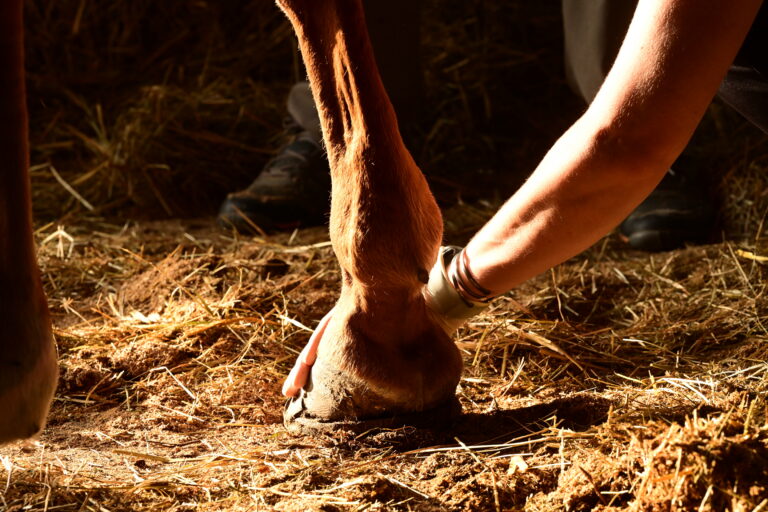
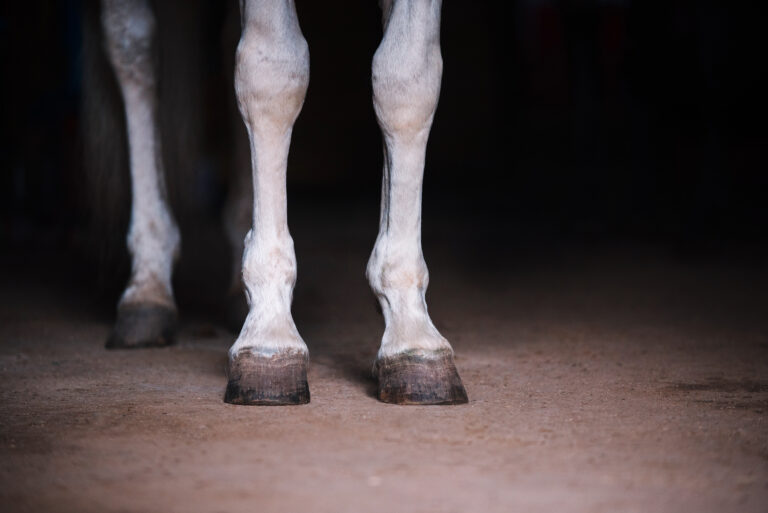
Laminitis is the most worrisome clinical sign of equine metabolic syndrome to most horse owners. “Sometimes this is not overt laminitis,” said Faivre. She said there can be signs of laminitis on the hooves such as divergent growth rings.
“We can also see radiographic evidence of laminitis sometimes before these horses get clinically lame,” noted Faivre.
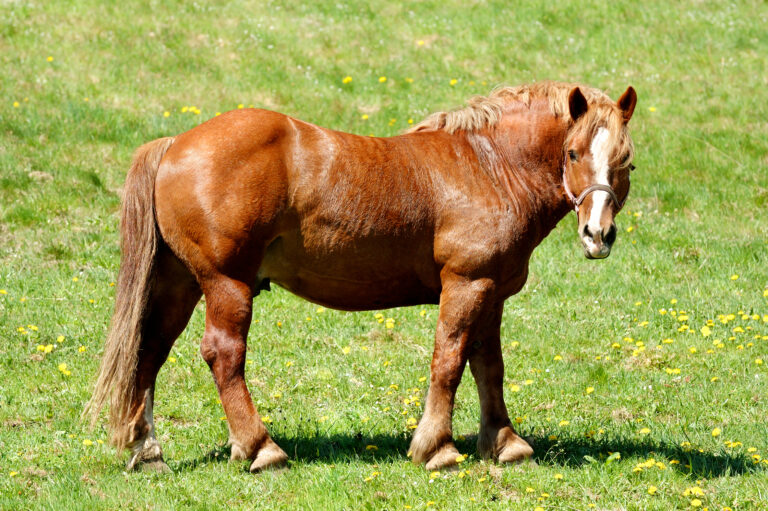
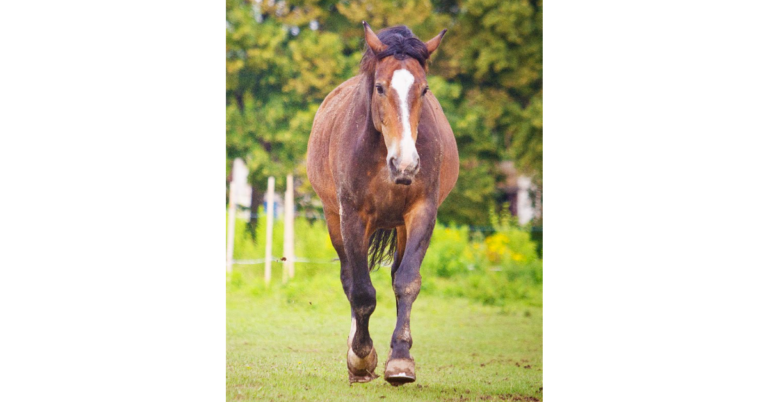
She said these horses often have an obese body condition, but they don’t have to be overweight to have equine metabolic syndrome.
Abnormal fat depositions around the shoulders and tailhead and a cresty neck are often seen in these horses, said Faivre.
What Is Laminitis?
Laminitis is basically stretching and inflammation of the laminae, the fibers that hold the coffin bone (P3) within the hoof capsule, explained Faivre.
“When a horse gets laminitis, it can cause rotation or sinking of that coffin bone within the hoof capsule,” she said. “This is an acutely and severely painful disease of horses. It can be debilitating and can necessitate complete retirement from athletic activity or euthanasia on humane grounds if we can’t manage this horse’s discomfort.
“It’s something we actively want to prevent in our horses,” Faivre emphasized.
She said most horses with equine metabolic syndrome have an insidious onset of disease. “They may have multiple subclinical episodes of laminitis where they are developing radiographic changes, but we are not necessarily seeing that horse be lame clinically.
“Often there is one episode that tips them over the edge, and they finally become clinically lame,” she added.
Testing for Equine Metabolic Syndrome
In the video, Faivre talks about testing for this condition. She recommended checking with your veterinarian to determine which test(s) are best for your horse.
Pituitary pars intermedia dysfunction (PPID, formerly known as Cushing’s disease) can occur concurrently with equine metabolic syndrome, said Faivre.
“About 30% of horses will have both,” she noted. “If you have a horse that has tested positive for one, it is often beneficial to test for the other as well.”
Faivre warned that metabolic horses can have a sensitivity to corticosteroid treatment. “So make sure you are checking in with your veterinarian before starting a steroid treatment to ensure their risk of having a laminitic flare will be low.”
Treatment
“There is a multifaceted approach to treating equine metabolic syndrome because this is ultimately a disease of management,” said Faivre. “I’m talking about diet, exercise, and housing. That accounts for 80%-90% of the things we can do to help treat this disease.”
Watch the video to learn more about feeding the metabolic horse. Faivre talked about a low-carbohydrate diet and what that means to owners and horses. This includes starting with a hay-based diet. She advised that some owners might have to soak hay to reduce the amount of sugar in it.
“We would like these horses to be exercising after an acute laminitis episode has resolved,” she said. Faivre discussed what that exercise regimen might look like.
A thin or normal body weight horse with equine metabolic syndrome “can be a little tricky to manage,” said Faivre. “We still need to keep that low-carb diet while not restricting their calories as much as the typical EMS horse.”
Medications
“Medications are not a replacement for these management changes and should only be instituted if a horse has failed to improve enough on diet and other management changes,” emphasized Faivre.
Among the medications she discussed is levothyroxine. This is a supplemental thyroid hormone. She also discussed metformin. “This works by limiting the amount of sugar that is absorbed in the intestine,” Faivre explained. “Unfortunately, it only works in a small percentage of horses.”
Another class of drug used is SGLT2 inhibitors. “These drugs are pretty new to the equine metabolic syndrome scene,” she said. “They work by increasing the amount of sugar that is lost in the urine.”
These drugs can be expensive. “We usually are reserving them for animals that have failed one or two rounds of interventions,” she noted. They also have to monitor liver and kidney values and triglycerides with use of these drugs.
Final Words
Faivre said having a good farrier on the team is very important for the health of horses with equine metabolic syndrome.
Using all of these methods, Faivre said owners can see significant improvement in the quality of life in these metabolic horses.
Related Content
- Find more articles about metabolic disease in this category on MySeniorHorse.com
- Factors That Can Affect a Horse’s ACTH Test Results. Alexandra Beckstett. MySeniorHorse.com
- Canagliflozin Shows Promise as a Long-Term Treatment for Insulin Dysregulation in Horses. Kimberly S. Brown. MySeniorHorse.com
- Possible New Equine Insulin Dysregulation Treatments. Kimberly S. Brown. MySeniorHorse.com
- Horse Breeds, PPID, and Insulin Dysregulation. Kimberly S. Brown. MySeniorHorse.com
Sign up for My Senior Horse’s FREE newsletter to get the latest information about equids 15 years and older delivered straight to your inbox!