
Pituitary pars intermedia dysfunction (PPID, also known as Cushing’s disease) occurs in many horses and ponies. Let’s look at some key considerations for setting up a feeding and management program for a horse or pony with PPID.
First, you should do the following three things:
- Consider the animal as an individual. As many owners know, animals with PPID are not automatically old, retired, lean horses or ponies with dental issues. They can be middle-aged or in active work, and many are obese. So, when working with your veterinarian or nutritionist, it is important to develop a feeding and management plan that considers your individual animal and its current clinical signs and circumstances. You also must consider your facilities and resources. Any program, therefore, needs to be individually tailored.
- Monitor and adapt your program. PPID animals can have complex needs. Initial recommendations might need to be adapted according to the individual’s response to the plan. All being well, as hopefully your horse or pony retains a good quality of life, it will get continue to get older. That means the animal’s needs and requirements will change with time, and the program will also need to develop. Therefore, it is essential that a monitoring plan—with agreed review points—is established and adhered to whenever possible.
- Ensure you have clarity. Ideally, make sure you have asked all of your questions before your veterinarian and/or nutritionist leaves. It is important that you are clear about all the recommendations and are able to follow them. Ideally, your veterinarian and/or nutritionist will have established a way for you to get ongoing advice and support.
What questions do you need to have answered when developing a PPID feeding and management plan?
When developing a feeding plan tailored to your individual animal, you need to consider the following:
- What you are currently feeding (feed, forages, supplements)? Does your horse (or you!) have any specific likes and dislikes with respect to feeds and forages?
- Does your horse need to gain weight, lose weight, or just maintain its current weight? The answer to this question will influence how many calories the animal needs to be fed. Regular monitoring of your horse’s body condition score is important here (see A Guide to Body Condition Scoring article). It can also be helpful to check their cresty neck score.
- Has your horse or pony ever had an episode of laminitis (see What Is Laminitis article)? Has it been diagnosed as being insulin dysregulated (ID) (see The Role of Insulin in Equine Laminitis article)? Is your animal a breed that might be at an increased risk of developing insulin dysregulation/laminitis (see Horse Breeds, PPID, and Insulin Dysregulation article)?
- If yes, then you will need to feed a diet (forage and complementary feed) containing low or restricted amounts of non-structural carbohydrate (NSC: starch + water soluble carbohydrate) or “starch and sugar.” However, the degree of restriction needed will vary depending on the individual, so seek advice from your veterinarian and nutritionist.
- Your veterinarian might discuss the need for monitoring your horse’s insulin dysregulation status (through the use of the oral sugar test, for example) as well as its insulin response to feed and forage. This is especially true for severely insulin dysregulated horses and ponies or if a very low insulin response is needed.
- How much exercise/activity does your horse or pony currently get, and how much do you want to exercise him? How much could you and your horse or pony practically undertake? This again influences the calories you can feed (and to some degree how the calories are provided).
- Have you recently made or are you thinking of making any changes in your management or feeding practices? For example, being separated from a close companion can affect appetite and induce weight loss.
- Does your horse or pony have any other health issues that might affect any nutrition plan now or in the near future (e.g., is the animal resting due to an unrelated orthopedic issue but will return to active work)?
- Key considerations include whether your horse or pony has any issues with grass/hay or haylage (long fiber) such as choke or quidding.How interested in feed and forage is your horse or pony? Has this changed recently?How old is your horse or pony, and is it showing signs of age-related issues?Have you had the animal’s teeth checked recently? Is your anthelmintic/deworming program up to date?
- Be aware that your veterinarian might need to do a full clinical examination and take various samples in order to evaluate your horse’s overall health.
- Are you aware of any restrictions that might limit your ability to implement any recommended changes? For example:
- What forages/feeds are easily available to you?What types of feeding/pasture management practices are possible for you?What facilities are available (turnout/dry lots)?Do you have access to stabling or places where it is possible to individually feed or feed with a separated but close-by buddy?
- Do you have any time or financial limitations?
Things to consider when managing your PPID horse apart from diet.
The following variables can be very helpful to consider, especially for senior horses.
- Can you provide adequate shelter but avoid prolonged confinement to stalls if possible?
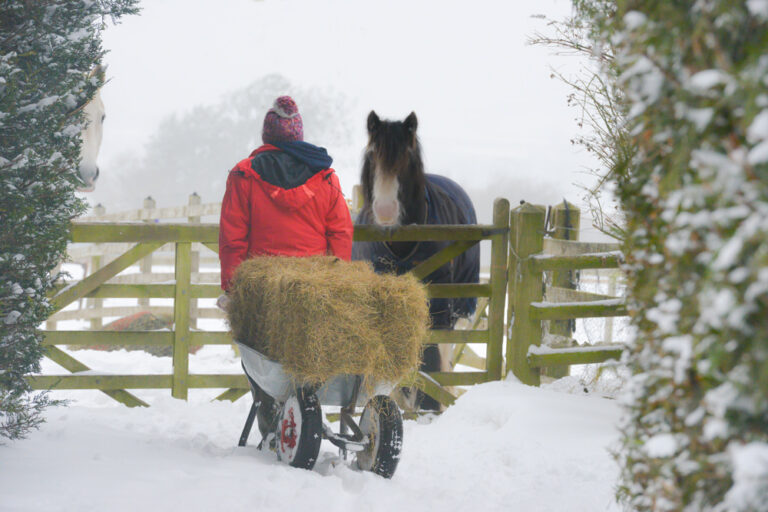
- Can you protect the animal from extremes of environmental conditions? (Remember that older animals tend to be more susceptible to environmental changes and often require more frequent changes in rug/blanket type.)
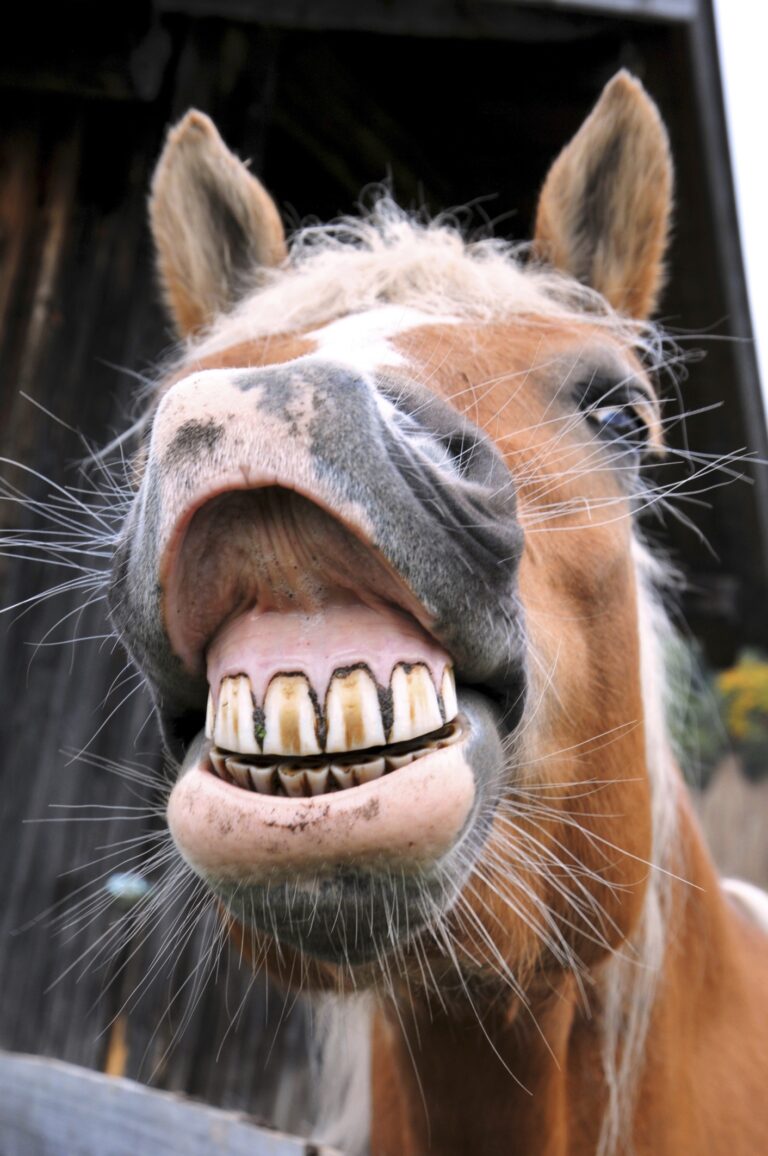
- Can you ensure thorough, regular dental care and strict attention to control of internal/external parasites?
- Are you prepared to clip long hair coats in hot weather as necessary?
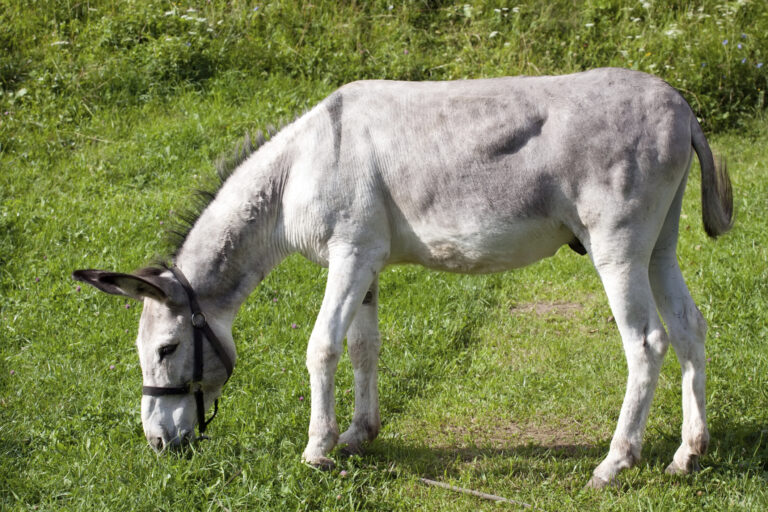
- If your horse has the classic long/curly PPID coat, it might sweat more in warm weather. Therefore, it becomes even more important to provide the appropriate electrolytes (especially salt).
- Can you take active measures to ensure year-round adequate water intake?
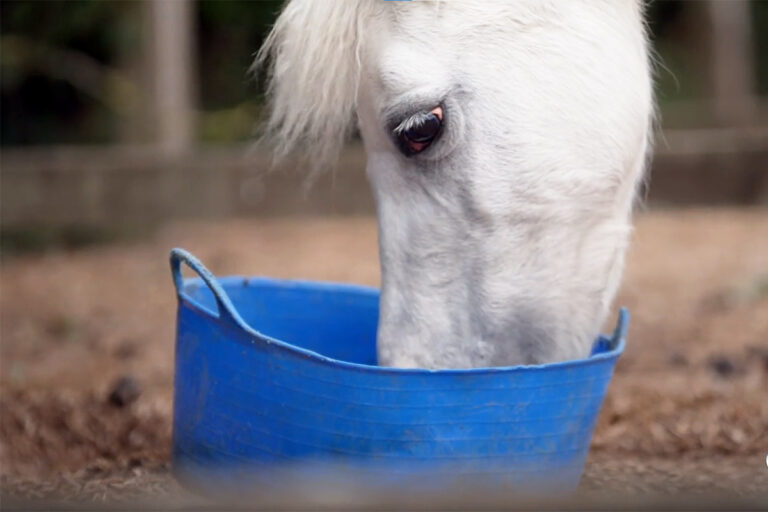
- Can you make sure that all water and feed containers are positioned at an appropriate location and height to optimize access, especially if your horse has arthritis in the neck?
- It might be helpful to use large water troughs and/or multiple water sources to ensure less dominant horses are not prevented from accessing the water source. Try to ensure the areas around the water troughs are free from ruts.
- Can you choose field companions that will not bully the older horse or pony?
- Can you maintain regular foot trimming and ideally choose a level paddock, free from ruts, to decrease the strain on joints?
PPID Monitoring Program Tips
You need to agree with your support team on a feasible and manageable PPID monitoring program (with timings where applicable). This should include (as much as possible):
- Periodic blood work/veterinary evaluations
- To monitor insulin dysregulation status;
- To monitor ACTH concentrations;
- To detect early onset of common disease/aging infirmities.
- Regular
- Body weight/condition/muscle atrophy scores (you will need to take rugs/blankets off and use your hands to evaluate, which is especially important with long winter haircoats);
- Dental health check ups
- Fecal egg counts/specific blood tests for gastrointestinal parasites.
- Daily observations
- For changes in activity levels and movement;For evidence of bullying/prevention of access to resources;For monitoring of feed and forage consumption (not just provision); if possible, also look for indicators of appetite and demeanor—especially if medicinal treatments put them off their feed;Check water intake and watch for any sudden change in intake;
- For rugs/blankets, note whether there is any rubbing or if the rugs are the ideal type for the environment (senior horses have issues regulating their temperatures, so they might require multiple changes a day as they can become too hot or too cold very quickly).
- Quality of life assessments:
- Frequency will depend on age/clinical signs/progression of physical issues.
Further Reading
- PPID and Insulin Dysregulation in Warmblood Breeds. Kimberly S. Brown. MySeniorHorse.com
- What is PPID and Why Should We Care? Dr. Hal Schott. MySeniorHorse.com
Sign up for My Senior Horse’s FREE newsletter to get the latest information about equids 15 years and older delivered straight to your inbox!