Hyperinsulinemia (high levels of insulin in the blood) is a common and serious condition in senior horses. It’s associated with laminitis development and recurrence, as well as prolonged laminitis recovery times. Historically, management strategies for at-risk animals have included dietary changes and increased exercise. However, the efficacy of some management changes is unclear or varies considerably between individuals. And some management changes might be insufficient or impractical.
Recently, new medical treatment options for hyperinsulinemia have emerged, but research on them is limited. During a presentation at the 2025 British Equine Veterinary Association Congress, Edward Knowles, MA, PhD, VetMB, MVetMed, Dipl. ECEIM, MRCVS, discussed some of the medications currently available to treat hyperinsulinemia.
When Is Medical Treatment for Hyperinsulinemia Warranted?
Knowles said there are several indicators for medical management for severe hyperinsulinemia. Sometimes exercise is difficult or unsafe, and management changes have been insufficient or are too slow.
Knowles emphasized that management changes and medical treatment are not mutually exclusive. “For most conditions that we treat, whether we’re thinking about asthma or arthritis or gastric ulceration, medical management goes hand in hand with our management strategies, and to me hyperinsulinemia is no different,” he said.
Medical Management Warnings
There are currently no licensed medications to treat hyperinsulinemia in horses, Knowles cautioned. Additionally, data on how the equine body absorbs and metabolizes these drugs are often lacking or limited. There is limited research directly comparing different medications. And, as with any medical treatment, adverse effects are possible.
SGLT2 Inhibitors
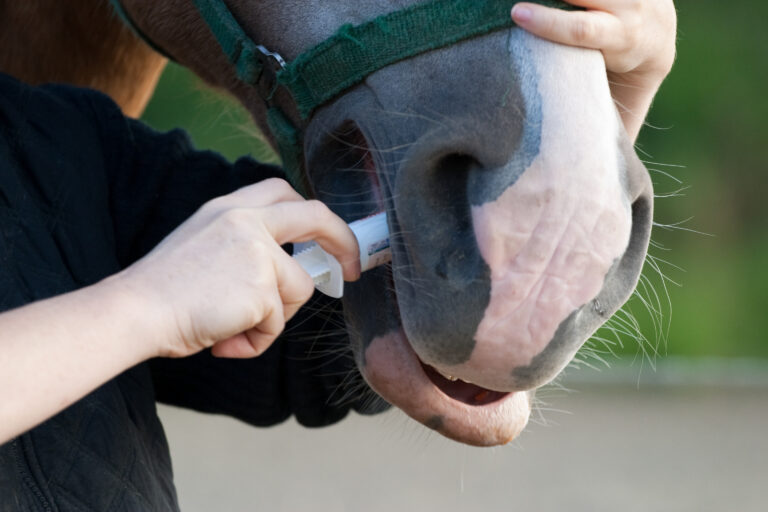
The most common medications for treating hyperinsulinemia are SGLT2 inhibitors, which are licensed to treat Type 2 diabetes in humans and have become widely used in equine medicine in recent years. “The main mechanism of action for these drugs is to cause urinary wasting of glucose,” Knowles explained. “They block glucose reabsorption in the kidney through the SGLT2.” This urinary glucose wasting reduces the stimulus for insulin.
Available SGLT2 inhibitors include canagliflozin, ertugliflozin, dapagliflozin, and velagliflozin. While there are some differences in the products’ SGLT1/2 sensitivities that may be clinically relevant, “these drugs are more similar than they are different,” Knowles said. In the United Kingdom, canagliflozin and ertugliflozin are the most common.
According to Knowles, research supports the use of SGLT2 inhibitors. Trials on velagliflozin in a university setting in Australia found the drug had good effects on circulating insulin concentrations, prevented laminitis in a dietary challenge model, and was well-tolerated over a 16-week period. One study on canagliflozin in a clinical setting in Sweden showed marked improvements in horses’ insulin dynamics without clinical adverse effects.
Additionally, Knowles reported that across at least 129 cases, ertugliflozin, canagliflozin, and dapagliflozin have shown effects consistent with rapid-onset reductions in insulin, improvements in laminitis, and a low rate of clinically apparent adverse effects.
Monitoring Horses on SGLT2 Inhibitors
SGLT2 inhibitors may cause adverse effects in some cases, including excessive urination, excessive thirst, excessive weight loss, liver disease, hypertriglyceridemia/hyperlipemia (high levels of fat in the blood), itchy skin, and, very rarely, death. Knowles said hypertriglyceridemia is the most common adverse effect, and the risk seems to be slightly higher in horses that have started with very high insulin concentrations or, according to anecdotal reports, when medical intervention is combined with an abrupt diet change. While most horses with hypertriglyceridemia do not have outward clinical signs, a small minority show signs of hyperlipemia.
Because of the potential for adverse effects, Knowles recommends veterinarians check the horse’s insulin, triglycerides, and GGT (gamma-glutamyl transferase, a liver enzyme) on Days 0, 7, and 28. Then, he recommends tapering or stopping treatment if possible. If horses continue treatment, he recommends checking them every three to six months, or more frequently if changing the horse’s diet or dose or if there are any concerns. However, more research into optimum monitoring and dose titration would be beneficial.
Stopping SGLT2i Treatment
No clear best practice exists for how or when to stop treatment with SGLT2 inhibitors. “I think we would all like our management to be able to take over from the helping hand we’re getting from these drugs, but that’s not always the case,” Knowles said. Before stopping treatment, Knowles typically recommends dropping to a 1/2 or 1/3 dose for two to four weeks, retesting, and then stopping treatment if the horse is doing well with further monitoring after stopping treatment.
Other Medications for Hyperinsulinemia
Other medications available to manage hyperinsulinemia include:
- Levothyroxine: This medication has been widely used in the United States. Experimental studies have shown it has reasonable bioavailability, some effects on weight loss, and some effects on insulin sensitivity. Adverse effects are rare.
- Metformin: This drug was previously widely used in horses. It has poor bioavailability (absorption rate) and has had mixed results in trials. Knowles said beneficial effects are unlikely in most cases.
- Pioglitazone: This drug increases adiponectin concentrations but is not sufficient on its own for controlling hyperinsulinemia.
- Glucagon-like peptide-1 (GLP-1) agonists such as semaglutide (Ozempic): These drugs are popular in human medicine but are not currently recommended for horses.
Final Thoughts
In closing, Knowles said SGLT2 inhibitors are very promising for managing hyperinsulinemia in horses, but they should be used in combination with management changes.
Further Reading
- Are Warmblood Breeds Prone to PPID and Insulin Dysregulation?
- Research on Visible Physical Features and Insulin Dysregulation in Ponies
- Pasture and Obesity Effects on Pony Laminitis Risks
Sign up for My Senior Horse’s FREE newsletter to get the latest information about equids 15 years and older delivered straight to your inbox!
-
View all posts
Carly Sisson is a horse owner, dressage rider, and the managing editor of EquiManagement and My Senior Horse.