Separation anxiety is a common problem for many horses and their owners. Researchers hope to learn more about separation anxiety from a new owner survey. Preliminary research by this group has shown that the term “separation anxiety” can mean different things to different people. This survey aims to examine, for the first time, if there are distinct forms of separation anxiety in horses.
By taking part you will be contributing to the first survey of its kind in horses and helping researchers to make better recommendations for managing this problem. Click here to start the survey.
Purpose of the Study
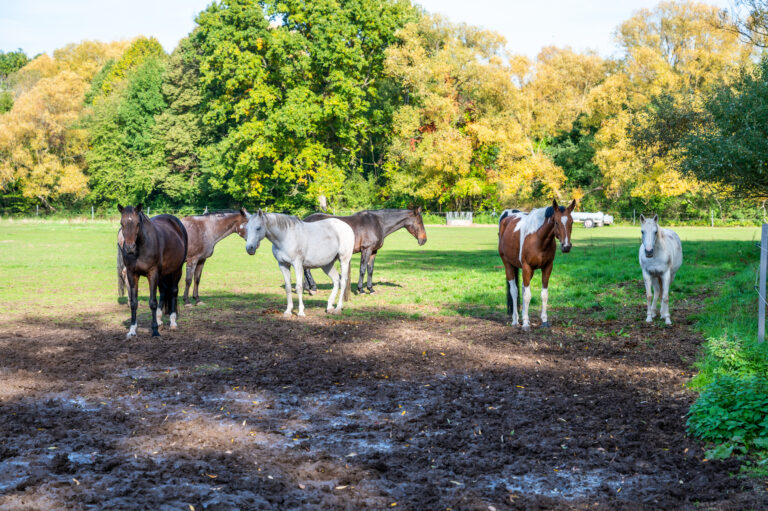
Horses are a species that naturally lives in groups. They are often housed together or close to each other.
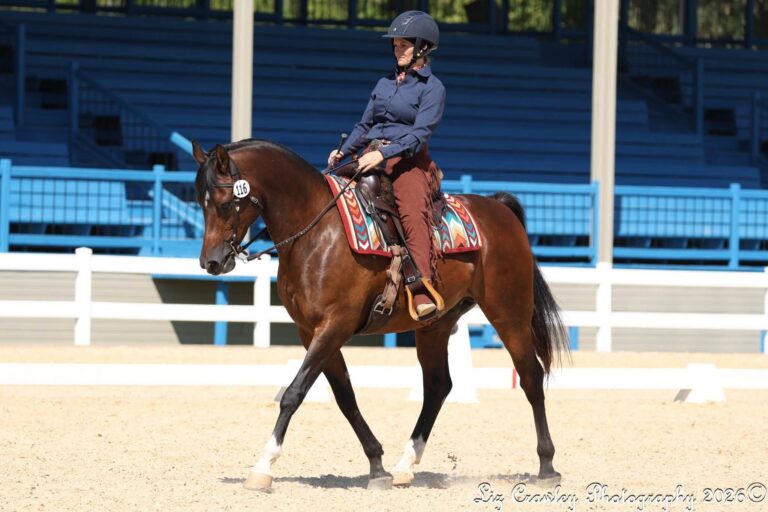
Separation from others (either the group or a specific equine, human, or companion of a different species) can occur for many reasons, such as training, transport, competition, and veterinary procedures.
For some horses, this separation is a very stressful event, for either the horse who is removed or for the one who is left behind. It is thought this can induce anxiety, and so horses who show distress around separation events are often referred to as having separation anxiety.
The aim of this research is to determine whether the term separation anxiety refers to a collection of distinct issues (as is the case in dogs) and how the occurrence of separation anxiety in one context (e.g., separate from the group to be ridden, being left alone because the companion is taken elsewhere, etc.) affects the likelihood of separation anxiety in another situation.
This has been found with different forms of stereotypic behavior (vices) in horses, with different repetitive behaviors having different effects on the risks of other repetitive behavior issues.
Research Leads
The University of Lincoln in the U.K. is the lead organization for this study and will be the data controller. Contacts for this study are Dr. Claire Ricci-Bonot and professor Daniel Mills.
(Editor’s note: I participated in the survey because my 15-year-old mare Maya has what I consider to be separation anxiety. It was interesting to participate in the survey, and I look forward to the results. Click here to start the survey.)
Further Content
- ‘Feel-Good’ Horse Touch, Such as Scratching. Dr. Sue Dyson. MySeniorHorse.com
- Horses and the Science of Sleep. Dr. Sue Dyson. MySeniorHorse.com
- My Senior Horse Podcast: Horses and the Science of Harmony. Dr. Sue Dyson. MySeniorHorse.com
- Horses and the Science of Contentment. Dr. Sue Dyson. MySeniorHorse.com
- My Senior Horse Podcast: Sleep Deprivation. Dr. Amy Polkes. MySeniorHorse.com
- Does My Horse Have Narcolepsy or Sleep Deprivation? Dr. Amy Polkes. MySeniorHorse.com
- My Senior Horse Podcast: Equine Behavior. Dr. Kris Hiney. MySeniorHorse.com
- My Senior Horse Podcast: Positive Reinforcement. Dr. Eleanor Girgis. MySeniorHorse.com
- The 24 Behaviors of the Ridden Horse in Pain: Shifting the Paradigm of How We See Lameness. Dr. Sue Dyson with Padma Video.
- Horse Behavior During Tacking and Mounting. Dr. Sue Dyson. MySeniorHorse.com
- Ridden Horse Performance Checklist: Behaviors in Ridden Horses that Might Signify Discomfort. Dr. Sue Dyson. MySeniorHorse.com
- How An Uncomfortable Horse Might Feel to a Rider. Dr. Sue Dyson. MySeniorHorse.com
Sign up for My Senior Horse’s FREE newsletter to get the latest information about equids 15 years and older delivered straight to your inbox!