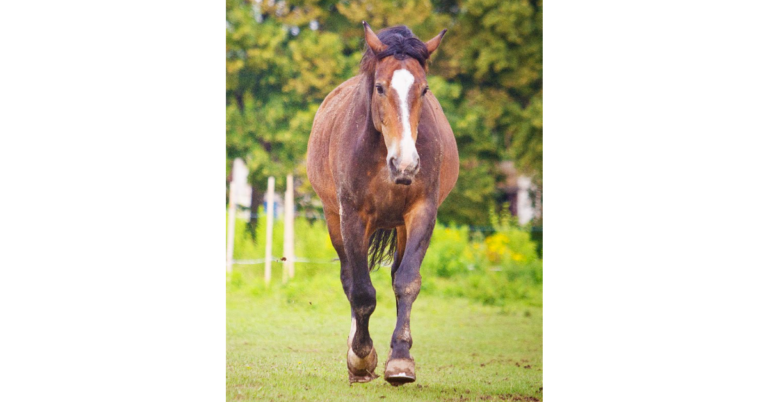
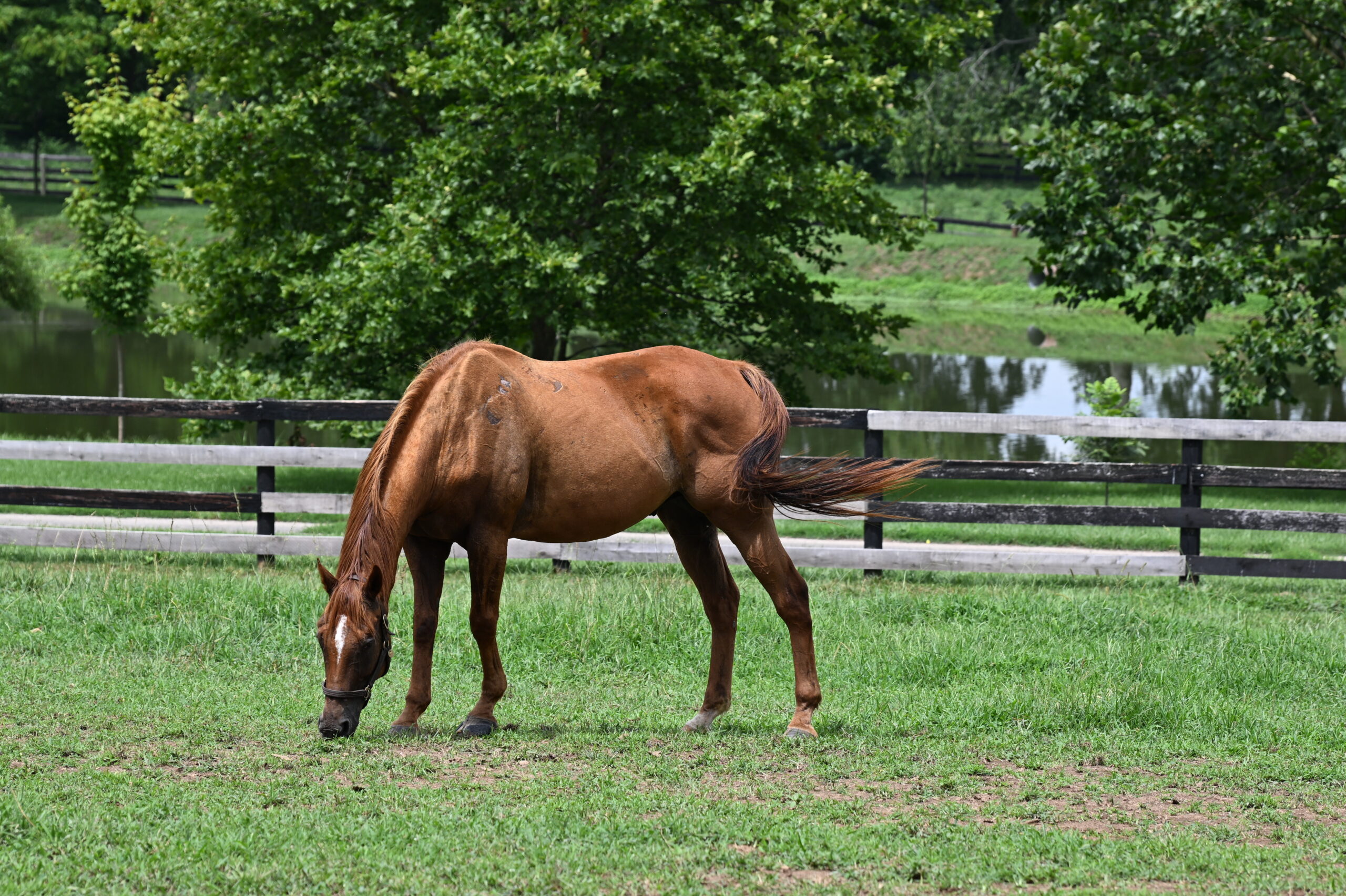
For many horse owners, caring for a senior horse or one that can no longer be ridden is simply part of the lifelong commitment they make to their animals. But not every horse is fortunate enough to have a permanent home when circumstances change. Organizations like the Kentucky Equine Adoption Center (KYEAC) help fill that gap, offering a safety net for horses in need, including older horses and those best suited to life as companions.
Founded in 2006, the adoption center has grown from an emergency response to a struggling economy into a well-organized nonprofit that places dozens of horses into new homes each year.
Creating a Safety Net
The Kentucky Equine Adoption Center was established in Nicholasville, Kentucky, during the financial crisis of the late 2000s. Leaders in the horse industry worried the collapsing housing market would affect horse owners’ ability to care for their animals, explained Carrie Wood, the center’s executive director. In its earliest days, the system was far less structured than it is now.
“In the beginning, it was kind of like the wild west,” Wood says. “You could leave any horse at any time in one of the pastures on the property.”
Over the years, the organization has developed formal intake procedures, adoption applications, and surrender forms and processes. While operations have become more structured and businesslike, the mission remains the same: To create second chances for horses in need. Today, the center typically cares for around 35 horses at any given time.
How Horses Arrive at the Adoption Center

Horses at KYEAC come from several sources, reflecting the wide variety of situations that can lead to a horse needing a new home.
The center regularly works with animal control agencies that need urgent placement for neglected or abandoned horses. In other cases, horses arrive through owner surrenders—often due to major life changes such as financial hardship, divorce, illness, or relocation.
Another source is the Thoroughbred racing industry, when owners decide a horse is no longer suitable for racing and needs a new home and career. Finally, the organization collaborates with groups that manage feral horse populations in Eastern Kentucky, occasionally taking in horses from roundups.
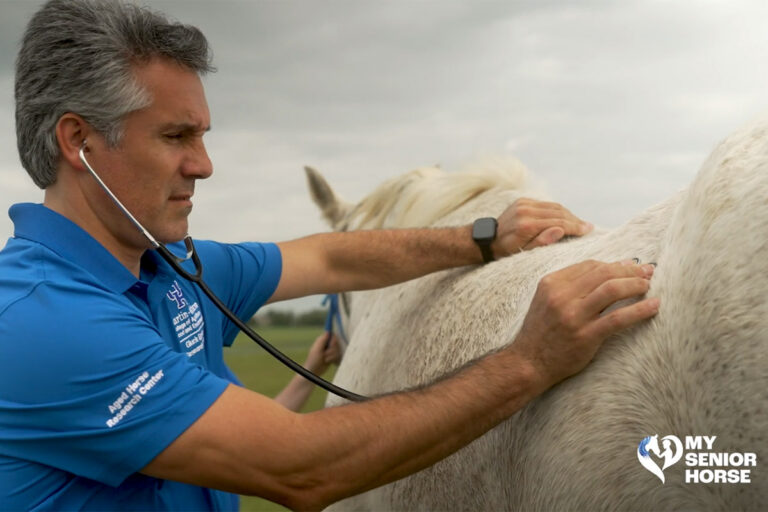
Each horse receives a veterinary intake exam upon arrival to assess health, soundness, and overall condition.
What Makes a Horse a ‘Companion’?
One outcome of the intake evaluation is determining whether a horse is suitable for riding. Horses deemed not rideable are categorized as companion horses.

“Every horse gets an intake exam, and we work with our veterinarians to evaluate the horse and see what sort of bumps or bruises the horse has picked up along the way,” Wood explains. “As a result of that intake exam and perhaps some radiographs, we will determine whether or not the horse is rideable. If the horse is not rideable, it becomes a companion-only horse.”
Companion horses span a wide range of ages and conditions. Some are relatively young but have injuries or structural issues that make riding inappropriate. Others are older horses experiencing the natural effects of age.
Wood recalls a 5-year-old Thoroughbred diagnosed with kissing spines that was placed as a companion, as well as a 31-year-old gelding named Midnight who was blind in one eye but still found a loving home.
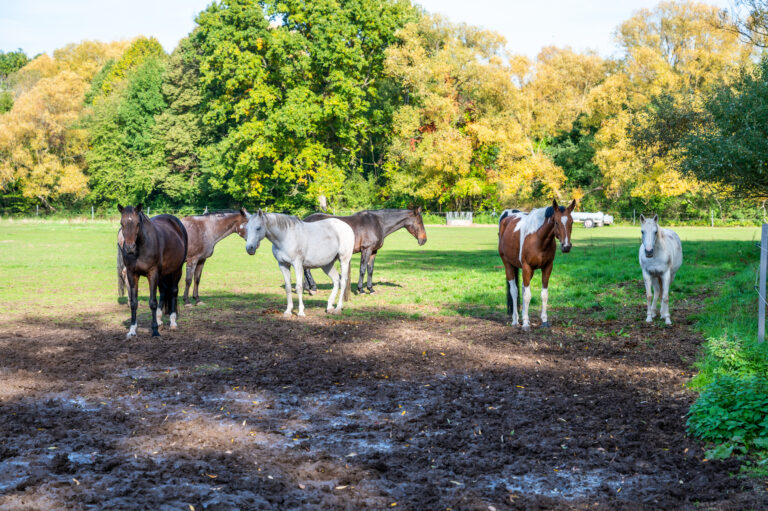
Despite their limitations, companion horses have much to offer, Wood said. Many serve as pasture buddies for other horses, providing social interaction that is essential to equine well-being. Others take on “mentor” roles.
“We have a pair of horses right now, Red and Carl, who act like big aunts and uncles to two foals we have on the property that were surrendered to us last spring,” Wood said. “Red and Carl are great examples of what a good horse should do, so they’re mentoring, if you will, the foals.”
Companion horses also enjoy many types of interactions with people. Grooming sessions, groundwork training, hand-walking, and obstacle courses can all provide mental stimulation and enrichment. Some even make excellent candidates for nonriding therapy programs, where their calm, patient nature allows them to work with people who have experienced trauma or other challenges.
Caring for Senior and Companion Horses
Because many companion horses are older or have prior injuries, their care often involves managing chronic conditions. Among the more common issues Wood said they see at the adoption center are:
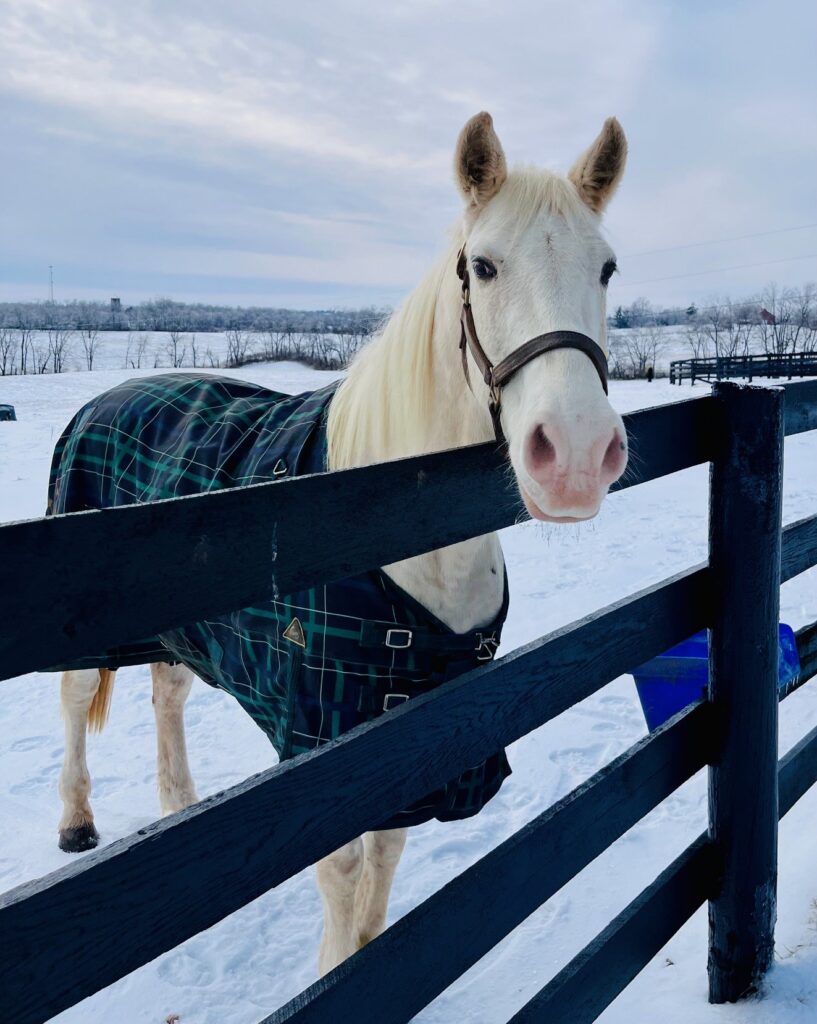
- Pituitary pars intermedia dysfunction (PPID).
- Arthritis and age-related lameness.
- Degenerative hoof conditions.
- Thin soles and other hoof problems.
- General wear from years of work.
The center tailors care for each horse individually, adjusting diets and management to suit their needs.
“Of course they receive veterinary care,” Wood says, “but we also try to customize their diets and give them what they need in terms of the right mix of feed and hay and/or supplements, if need be.”
Caring for horses with diverse needs requires consistent observation. Every horse at the adoption center receives daily hands-on checks from staff, trainers, volunteers, and seasonal interns. That vigilance can make a critical difference in identifying problems early.
For instance, during a recent pigeon fever outbreak in Kentucky, the team increased monitoring of all horses and their vitals. When one horse showed signs of infection, staff caught it quickly and isolated him, preventing the infection from spreading through the herd.
“Our whole team is always watching the horses,” Wood says. “It’s very much an ‘if you see something, say something’ approach.”
Finding the Right Home

Adopting a companion horse from KYEAC involves a thorough application process designed to ensure the horse’s long-term well-being. Prospective adopters complete a detailed form about their experience, farm setup, and veterinary support. The organization also requests references and photos of the property to confirm fencing, feed, water access, and overall management meet appropriate standards.
Once applications are reviewed, staff members speak directly with applicants to learn more about their goals and expectations. The aim is to match each horse with the right person and, ideally, a lifelong home.
“It’s hard on the horse to transition to KYEAC and then to a home and then possibly down the road to another home,” Wood says. “It would be wonderful if all the adopters of our companion horses would make a promise to keep them forever.”
One of those lucky senior citizens is Blaze. Two summers ago, animal control contacted the KYEAC about a severely neglected horse estimated to be in his early 20s. When trainers arrived, they found Blaze standing alone in a round pen filled with weeds, without food or water. The emaciated horse was roughly 450 pounds underweight and could barely hold his head up.
He was immediately transported to the center, where staff began a carefully managed refeeding program. Because starved horses cannot safely consume unlimited amounts of food at once, Blaze received small portions of hay every few hours, day and night. Despite his condition, Blaze greeted every caregiver with a nicker whenever they approached his stall.
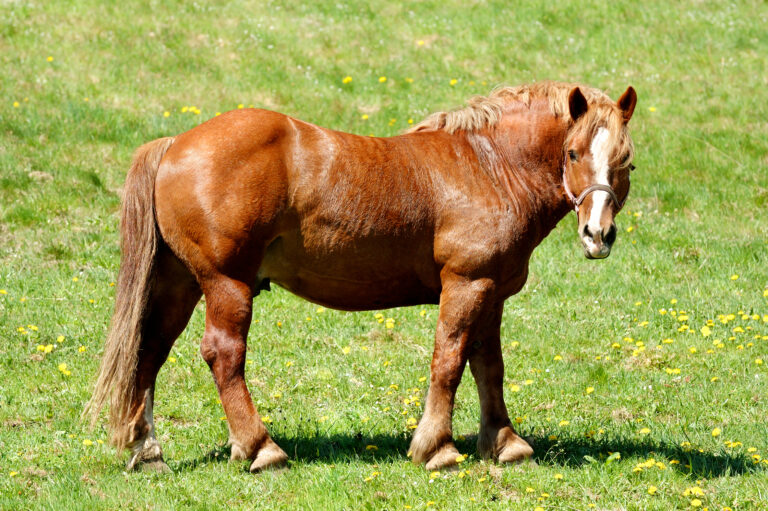
Eight weeks later, a mother and daughter touring the facility from North Carolina heard Blaze’s story and fell in love with the flashy chestnut and his sweet personality. They eventually adopted him as a Christmas gift to themselves, and today Blaze is healthy and thriving.
Considering a Companion Horse?
For horse owners thinking about adding a companion horse to their farm or giving a senior horse a second chance, Wood offers simple advice: “Emphatically do it. You will never receive so much love and such a great feeling. Companion horses give back tenfold of what you give them.”
Each companion horse has its own “special magic spark,” she added—they’re just looking for their forever person to help bring it to light.
Related Reading
- Planning Retirement for an Older Horse
- Understanding Horses’ 3 Fs: Friends, Forage, and Freedom
- Planning for the End of Your Horse’s Life
Sign up for My Senior Horse’s FREE newsletter to get the latest information about equids 15 years and older delivered straight to your inbox!