It’s important for senior mares to have an appropriate body condition to successfully produce healthy foals. Senior stallions that are still breeding must also be in appropriate physical shape to cover mares.
In this video, reproductive specialist Karen Wolfsdorf, DVM, DACT, discusses assessing body condition in senior stallions and mares. Wolfsdorf is an associate and shareholder at Hagyard Equine Medical Institute in Lexington, Kentucky.
(Editor’s note: The content of this video is the expert’s approach to the topic. Please consult with your practitioner if you have questions.)
Senior Mare Body Condition
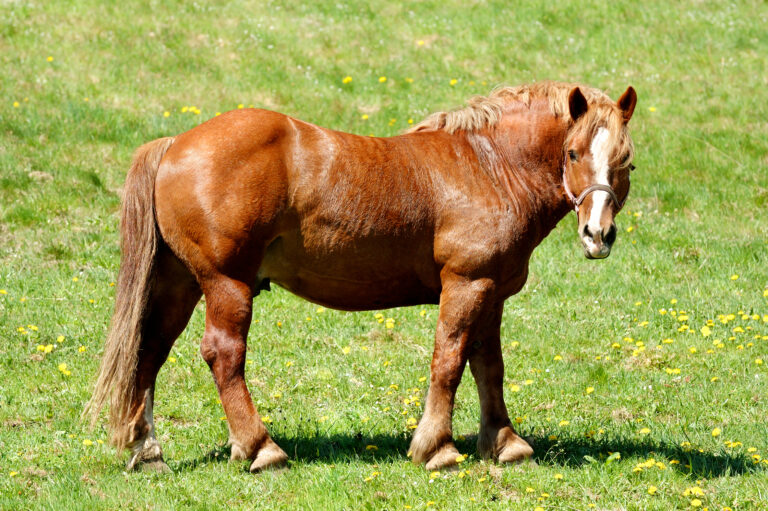
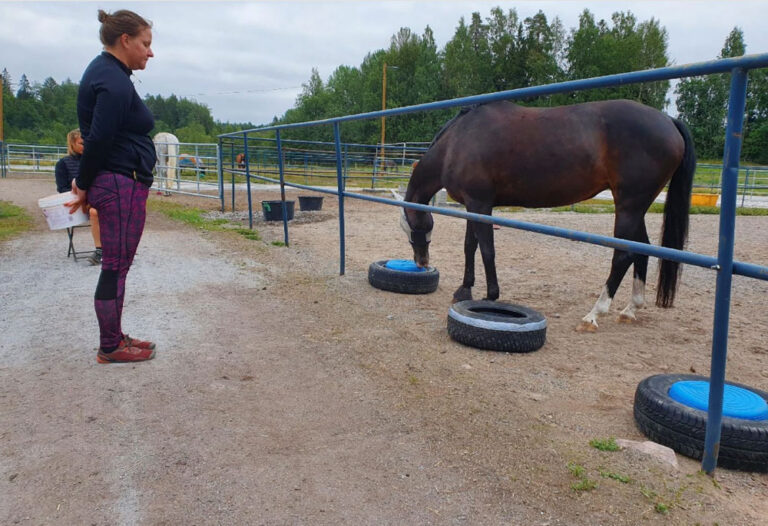
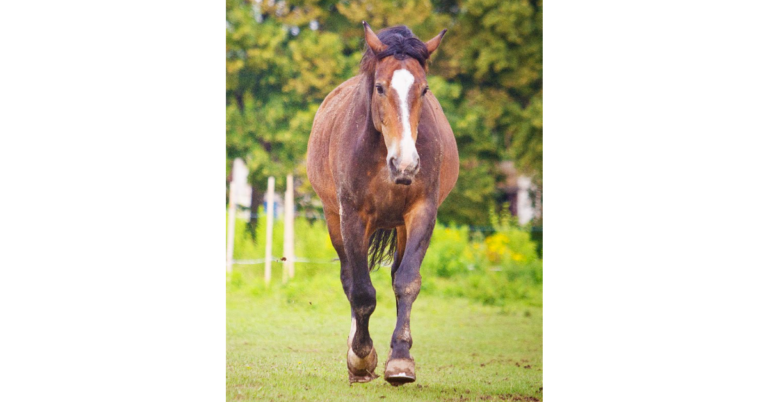
“When I look at a horse, I like to be able to feel their ribs, but not see their ribs,” said Wolfsdorf. “I look at it a little differently; I don’t say, ‘This mare is a 1 or 5 or 4.’ I look at it for each individual horse. I don’t want a lot of fat over the ribs or to see fat pads around the withers and rump area.”
Body condition is especially important to consider in broodmares. “The reproductive cycle depends a lot on the body condition,” she noted. “If a mare is too thin or a mare is too fat, they are going to have irregular cycles.”
Wolfsdorf said at the beginning of a breeding season, she would much rather have a mare be on an “upward plane of nutrition,” meaning she is slightly on the thinner side and being fed for weight gain during the winter as she begins cycling.
In addition, if a mare is too heavy, cycles irregularly, or doesn’t cycle at all, testing for systemic diseases such as insulin resistance and Cushing’s disease (pituitary pars intermedia dysfunction or PPID) should be initiated, she said.
Senior Stallion Body Condition
She said bringing stallions into the breeding season is similar.
“Breeding a mare is quite a strenuous and athletic function,” said Wolfsdorf. For this, she said stallions need to be physically fit as well as in good body condition.
“We don’t want them standing in the stall all the time,” she noted. “We want them to be able to move about. They actually have to be ‘fit’ to be able to breed the number of times a day or week we want them to breed.”
Stallions should also not be too thin because they are expending a lot of energy breeding mares.
“With a stallion’s body condition, it’s the same. We want to be able to feel ribs, but not see ribs,” Wolfsdorf explained. “We need to be able to feed them for what their tasks are and what they need to be able to do on a daily basis.”
Wolfsdorf said managers must treat stallions and mares as individuals. They should notice if a horse has gotten thin or gained too much weight and then adjust their feeding programs so they can do their reproductive jobs.
Team Effort
“Looking after your older stallion or mare is a team effort,” said Wolfsdorf. She stressed that breeding animals not only need the right nutrition, but proper vaccinations and other routine care.
Mares need to cycle normally and be protected against diseases that might affect her or her unborn foal. They need reproductive tract evaluation, identification, and intervention if problems arise.
Wolfsdorf also stressed the importance of proper farriery. “Lame, sore-footed mares, or any inflammation can affect the mare reproductively.”
Mare Cycles
Wolfsdorf reminded listeners that a mare’s reproductive cycle is about 21 days. “They are long-day breeders, so they start to cycle as the daylight gets longer and the nights get shorter. This releases the influence of melatonin on the hypothalamus in the brain. It allows the cascade of hormones to start to function again.”
She said mares might have variable heat periods early and late in the season. “They may seem like they are in heat all the time or they might seem like they are never in heat,” Wolfsdorf said. “They are going through this transition period.”
Wolfsdorf explained that the transition period lasts about 60 days, During this time, they will grow and regress follicles. Then, one follicle will produce enough estrogen for the mare to come into a proper heat. The estrogen will relay back to the anterior pituitary gland, which will release luteinizing hormone, causing the mare to ovulate.
“Once you have an ovulation, that is the beginning of the mare’s cyclicity,” she explained. “That is the period in which you can breed this mare, she should ovulate, and she should get pregnant.”
The Mare’s Reproductive Tract
There mare has two ovaries hanging near the flank, Wolfsdorf described. They are connected by the oviducts to the uterus. The body of the uterus is connected to the cervix, which is connected to the vagina and the vulvar lips. (See a diagram of the mare’s reproductive system here.)
The vulvar lips are one of the most important parts of the mare’s reproductive tract for you to evaluate, stressed Wolfsdorf. “That’s because there are three areas that are the gateway to a mare’s uterus,” she explained. “The first one is the vulvar lips. The second is the vestibular vaginal fold, which is the hyman area. The third one is the cervix.
“If any of those areas have a defect or are not able to function properly, the mare contaminates herself with feces or air,” she continued. “Then bacteria can enter into the uterus. Then she can become ‘dirty’ or have endometritis (inflammation of the uterus).”
It is very hard for a mare to get pregnant with those issues.
The Mare’s Perineal Conformation
Mares should have their perineal region evaluated by a veterinarian or reproduction expert. The rectum is above the vulva lips. Those should be in line vertical or perpendicular to the ground, she said.
Wolfsdorf explained that as a mare ages and has foals, her reproductive tract will become “baggy and saggy.”
“The uterus and ovaries that were sitting high in the flank and abdomen now go down and are sitting toward the lower part of the abdomen,” she said.
The vulvar conformation also changes. The anus sits above the vulvar lips, but the vulva sticks out farther than the anus. When a mare defecates, the manure falls into the vulvar lips and can contaminate her vestibule, vagina, and uterus.
“It’s really important to recognize that is a problem,” she said.
Wolfsdorf explained several things veterinarians can do to help the mare’s conformation and prevent her from excessively contaminating her reproductive tract, such as a Caslick’s procedure to close part of the vulvar opening.
She also discussed ways to help a mare rid herself of contaminants from breeding.
Related Reading
- Mare Reproductive System Diagram. MySeniorHorse.com
- Advice for Breeding Maiden Senior Mares video. Dr. Karen Wolfsdorf. MySeniorHorse.com
- How to Assess the Health of Senior Mares and Stallions video. Dr. Karen Wolfsdorf. MySeniorHorse.com
- Addressing Older Eggs in Senior Mares Video. Dr. Karen Wolfsdorf. MySeniorHorse.com
- Care of the Older Stallion Video. with Dr. Maria Schnobrich. MySeniorHorse.com
- Exercise and General Health of Senior Breeding Equids Video. Dr. Mariah Schnobrich. MySeniorHorse.com
Sign up for My Senior Horse’s FREE newsletter to get the latest information about equids 15 years and older delivered straight to your inbox!