Geriatric medicine, the branch of medicine that focuses on care and treatment of elderly people, is a long-established specialty in human healthcare. However, the expansion of senior horse care within veterinary medicine is relatively recent.
Improvements in equine healthcare have led to increases in life expectancy. That means our horses are living longer, and the number of senior horses in the equine population continues to grow.
From the data we have available, it is estimated that senior horses make up 10–34% of the equine population in developed countries.
Oldest Senior Horse on Record
According to The Guinness Book of World Records, “Old Billy,” a working horse who pulled canal barges in England, holds the record for the longest-living horse. He was reportedly verified to be 62 years old when he died in November 1822. This clearly predates equine passports, so it is not certain how reliable that verification was.
There are a few reports of horses surviving into their 50s. However, based on research studies, it appears that the equine lifespan is reached at around 45 years.
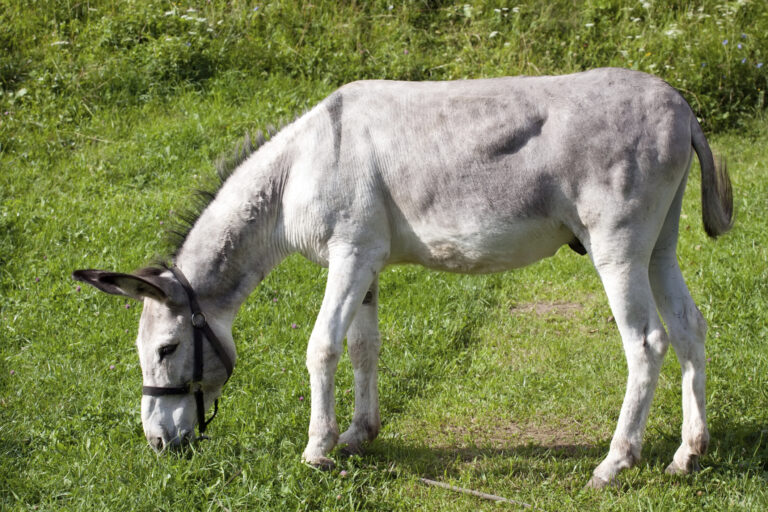
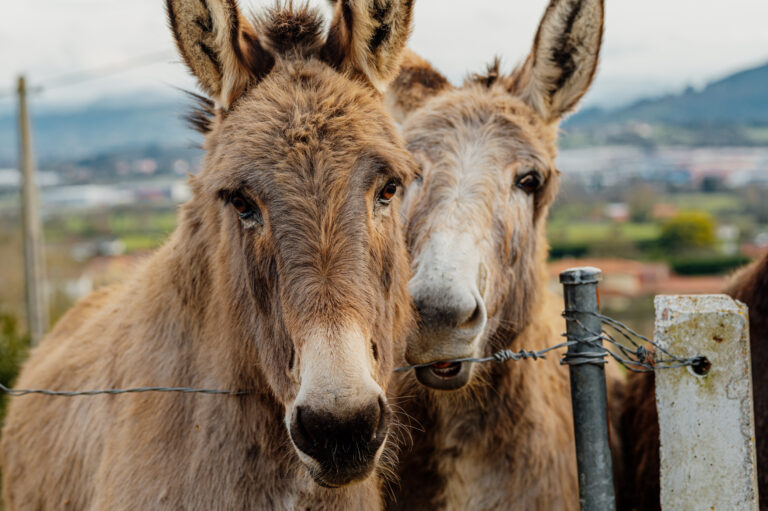
Even taking his verified age with a pinch of salt, Old Billy was unusual, as he was a large draft-type horse. As in other species, such as dogs, larger horse breeds tend to have a shorter lifespan. Equine longevity appears to be greatest in ponies and donkeys.
Age-Related Changes in Horses
People age at different rates, and it is the same for our horses. Only accounting for the number of years since birth doesn’t give us a full picture of how “well” a horse is aging.
Increasing horse age is associated with normal and unhealthy aging changes, as well as an increased risk of age-related diseases.
The age at which horses begin to show normal signs of aging corresponds to the onset or progression of several age-related diseases and functional impairments affecting multiple body systems. This poses some challenges for owners, veterinarians, and researchers.
However, as the population of senior horses grows, so does research in this field. Our knowledge of equine aging continues to expand, helping us better understand and manage the complexities of caring for older horses. This growing knowledge allows us to promote healthy aging in horses.
Further Reading
- When Is A Horse Considered Senior? Clare Barfoot, RNutr. MySeniorHorse.com
- Coat Changes and Immune System Shifts in Senior Horses. Kimberly S. Brown. MySeniorHorse.com
Sign up for My Senior Horse’s FREE newsletter to get the latest information about equids 15 years and older delivered straight to your inbox!