
Physiologic changes are the natural shifts that occur in a senior horse’s body as it ages. These can include changes in metabolism, muscle tone, joint flexibility, immune function, and even how their organs perform. In this podcast, we talk to Chelsie Huseman, PhD. She is an Associate Professor and Extension Horse Specialist in the Department of Animal Science at Texas A&M University.
“Just like humans, these changes can affect how a horse feels, how they move, or how they respond to their environment,” explained Huseman. “As horse owners, we’re doing great to recognize these shifts early, which helps us then provide better care and improve the quality of life of these seniors.”
(Editor’s note: The content of this podcast is the expert’s approach to the topic. Please consult with your practitioner if you have questions.)
Physiologic Changes to Recognize
Weight loss is a common physiologic change in senior horses, but weight gain is also possible. “Some seniors tend to gain weight in their older age,” she noted.
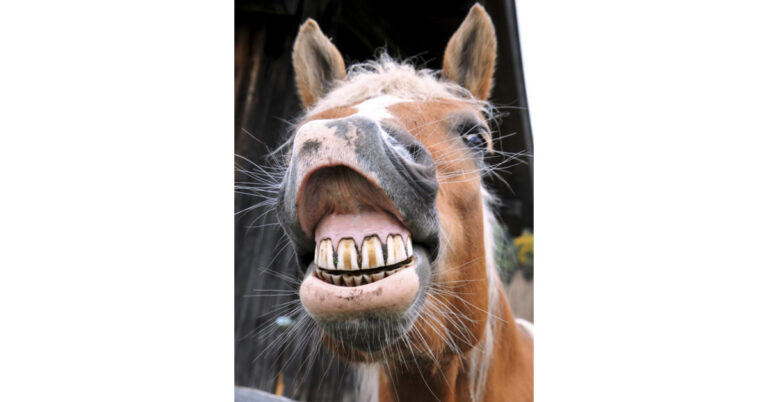
Dental issues are a big physiologic change in senior horses. “And, of course, [there are] things like decreased muscle mass, stiffness, and arthritis,” Huseman added. She said seniors also might have slower recovery from illness or injury.
Huseman said regular dental care and checkups are important throughout a horse’s life and are even more critical as they get older.
Pecking Order
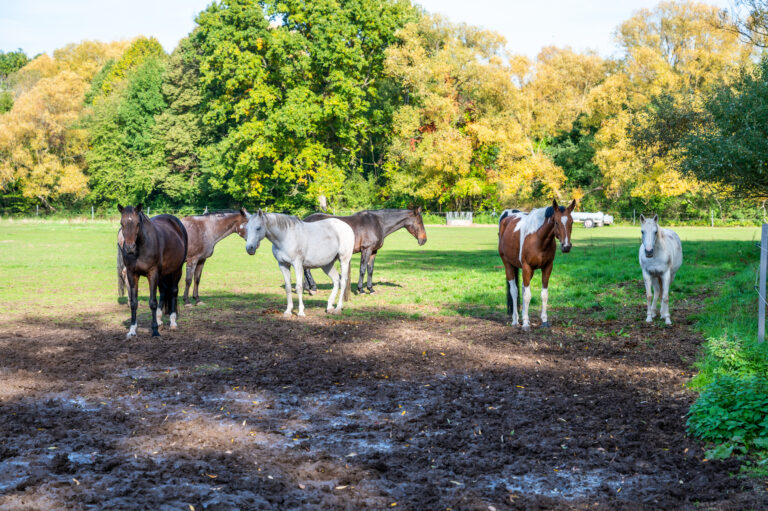
Huseman noted that horses’ social ‘pecking order’ might change as they get older. She has witnessed that hierarchy change in her herd at home, where they have older horses helping their boys learn to ride.
“But as our older guy who was the top dog has aged and slowed down, the younger horse (which is in his early teens) has kind of moved in,” she noted. “Not necessarily in a a ‘beat down,’ ‘I’m the boss’ way, but like, I’m going to take care of the older boss horse because he no longer can lead the herd. It’s really interesting to watch those dynamics change as horses’ physiologic conditions change.”
Observe Your Senior
The older animal’s mobility is one physiologic change Huseman said owners need to be on the lookout for. That might mean the horse slows down, or it has a harder time getting up and getting down. She said you might notice a senior using its tail less often to swish flies.
Huseman said you also should observe the horse’s expressions. “We have one of our older horses that really changes in his facial structures when he’s uncomfortable or in pain,” she noted. “You might see his nose wrinkle up a little bit more. His eyes might look a little bit duller. That’s usually our indication that something’s bothering him.
“There are all kind of telltale signs that you know the aging horse may be uncomfortable and needs intervention,” she said.
Nutrition and Joints
Nutrition also might need to change in order to meet the senior horse’s changing needs. This is especially true if the horse is experiencing metabolic changes.
“We’ll want to maintain a consistent exercise routine to support support mobility within those older horses,” advised Huseman.
She said horses might benefit from supplements or medications for joint issues when needed. “But, most importantly, the best thing we can do to help them is just monitoring them closely,” Huseman said. “Small changes really can signal bigger issues. And it’s important that we get on top of those pretty quick with the aging horse.”
About Dr. Chelsie Huseman
Dr. Chelsie Huseman has a PhD in animal science from Texas A&M University, where she serves the state of Texas by disseminating equine education developed through research, and she provides leadership for field and campus faculty, departmental, and Extension personnel in the development, implementation, and evaluation of Extension education programs relevant to the horse. Huseman conducts research in areas of skeletal adaptation to exercise, equine reproduction management, and technological advancements in education.
Further Content
- Help! My Senior Horse is Losing Weight! Dr. Nettie Liburt. MySeniorHorse.com
- Tips on Feeding Older Horses With Dental Issues. Patricia A. Harris, MA, PhD, VetMB, DipECVCN, MRCVS. MySeniorHorse.com
- Equine Appetite Loss. MySeniorHorse.com
- Coat Changes and Immune System Shifts in Senior Horses
- Senior Horse Vaccination Protocols
- Understanding Aging Equines
- My Senior Horse Podcast: Eye Problems
Sign up for My Senior Horse’s FREE newsletter to get the latest information about equids 15 years and older delivered straight to your inbox!