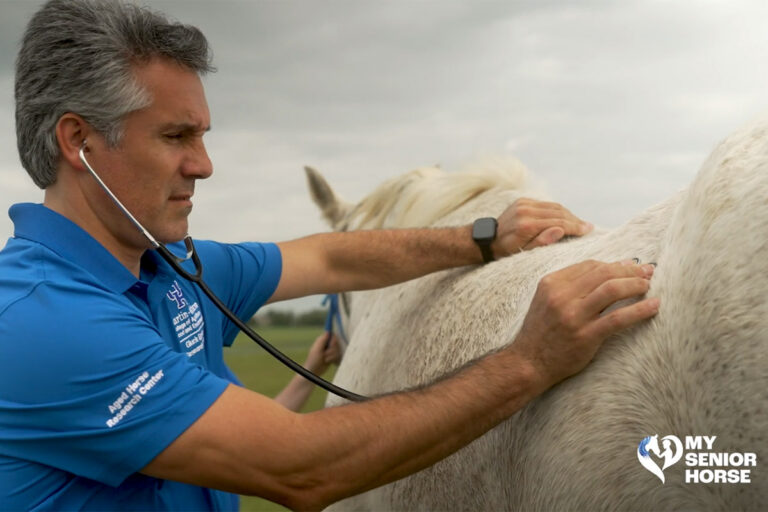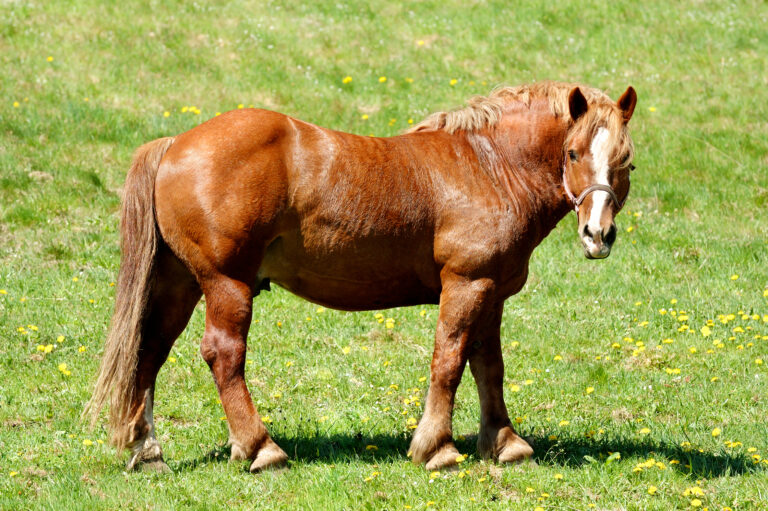
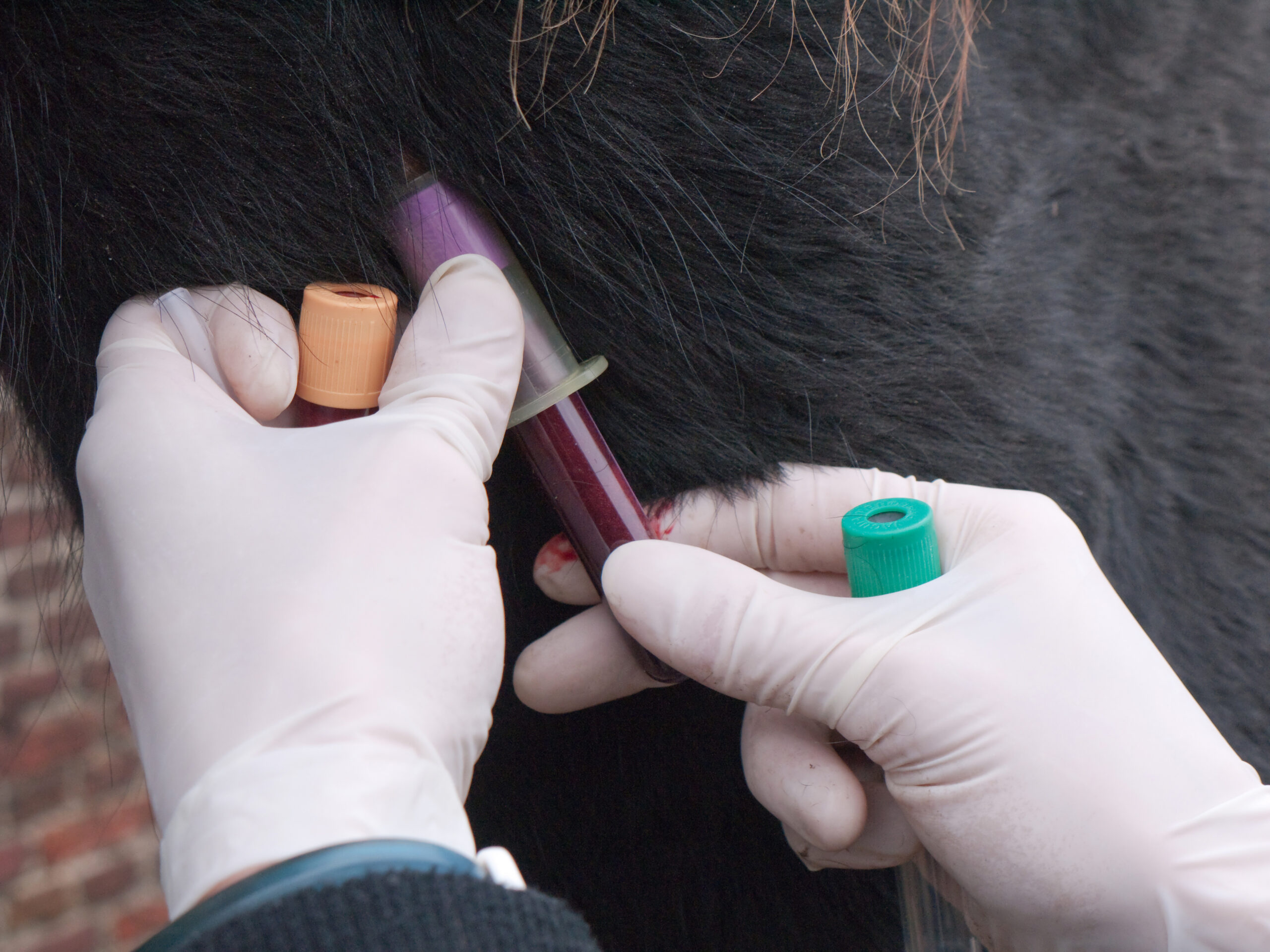
As horses age, regular health checks become more important. Many age-related conditions develop gradually and may not show obvious signs until they are well advanced. Routine blood testing gives veterinarians valuable insight into your horse’s health and can help detect problems early, when treatment is often most effective and further progression of diseases can be better prevented. A comprehensive senior horse profile typically includes a complete blood count (CBC), blood chemistry testing, fibrinogen, ACTH, insulin, and a fecal egg count (FEC). Together, these tests help provide a detailed picture of your horse’s overall health when interpreted alongside clinical examination findings and any previous test results or preexisting conditions.
The CBC: Checking Blood Cells and Immune Health
A complete blood count evaluates the cells circulating in your horse’s blood. The CBC is often one of the first tools veterinarians use to assess your horse’s overall health status. It focuses on three primary components:
- Red Blood Cells: These cells carry oxygen throughout the body. Low levels might indicate anemia, chronic disease, or blood loss.
- White Blood Cells: These cells help fight infection. Changes in their levels can signal active inflammation, infection, stress, or underlying immune system issues.
- Platelets: These play a critical role in blood clotting and wound healing and can also provide clues regarding infections.
Blood Chemistry: Looking Inside the Body
Blood chemistry testing measures substances in the blood that reflect how well major organs are functioning. By measuring specific enzymes and biomarkers released by organs, veterinarians can detect subtle health changes before a horse shows obvious signs of illness.
| Organ / System | Key Biomarkers | Clinical Significance |
| Liver Health | Specific enzymes & metabolic markers, including GGT, AST, ALP and bile acids. | Elevated values might indicate liver disease, bile duct problems, toxin exposure, or metabolic disturbances such as insufficient feed intake. |
| Kidney Function | Creatinine, urea | Increased concentrations might suggest impaired kidney function, dehydration, or reduced blood flow to the kidneys. |
| Muscle Health | Muscle enzymes (CK and AST) | Levels can rise following exercise, muscle injury, tying-up episodes, or other muscular disorders. |
| Protein Levels | Total protein, albumin, globulin | Helps evaluate nutritional status, reveal inflammatory processes or diseases causing loss of protein, and give insights into immune activity. |
| Electrolytes | Electrolytes include sodium (Na), Potassium (K), Chloride (Cl), Calcium (Ca), Magnesium (Mg), Phosphorus (P) | Can indicate a range of conditions in which electrolytes are lost or their levels are not properly controlled. May provide early warning signs of underlying disease before visible symptoms appear. |
| Triglycerides | Can be an indicator of metabolic health. They might be increased in horses with insulin dysregulation or PPID (Equine Cushing’s) or if a horse is not eating enough to meet the body’s needs. |
Fibrinogen: A Marker of Inflammation
Fibrinogen is an acute-phase protein whose blood concentration increases in response to inflammation, infection, or tissue injury. In horses, it is particularly useful for monitoring the progression of infectious and inflammatory diseases over time and for assessing treatment response during follow-up examinations. Elevated levels may be associated with conditions such as respiratory or intestinal infections. When interpreted alongside the CBC, fibrinogen helps veterinarians determine whether an active infectious or inflammatory process is occurring.
ACTH: Screening for Equine Cushing’s Disease (PPID)
One of the most important tests for older horses is adrenocorticotropic hormone. High ACTH levels can indicate pituitary pars intermedia dysfunction (PPID), commonly known as equine Cushing’s disease. PPID is common in senior horses and may be associated with:
- Delayed shedding or a long, curly hair coat (hirsutism).
- Muscle loss and general muscle wasting.
- Increased drinking and urination (polydipsia and polyuria).
- Increased susceptibility to laminitis.
- A wide range of other clinical signs.
Early detection of elevated ACTH allows for earlier management, tailored treatment, and a significantly improved quality of life for your senior horse. However, it is important to interpret results carefully, because ACTH can increase for reasons other than PPID and the results are not always definitive. In some cases, follow-up testing may be needed.
Insulin: Assessing Laminitis Risk
Insulin testing helps identify horses with insulin dysregulation, a condition linked to equine metabolic syndrome (EMS) and an increased risk of laminitis. Monitoring insulin levels can be especially valuable in older horses that are overweight, easy keepers, or have a history of laminitis. Notably, about a third of horses with PPID also have EMS, making concurrent testing highly recommended. In some cases, insulin testing might be combined with other markers of metabolic disease.
FEC: Smarter Parasite Control
A fecal egg count measures the number of parasite eggs present in a manure sample. Rather than deworming on a fixed schedule, many veterinarians now use FEC testing to develop targeted parasite-control programs. This approach helps protect your horse while reducing the risk of parasite resistance to common dewormers.
Key Takeaway
A senior horse blood profile provides far more than a snapshot of current health, establishing a baseline that can be monitored over time. Tracking changes year after year helps veterinarians identify emerging issues early and tailor care to your horse’s individual needs. For senior horses, routine testing is one of the most effective ways to support long-term health, comfort, and performance. Early detection of endocrine disorders, inflammation, metabolic disease, and organ dysfunction can make a significant difference in maintaining quality of life well into the later years.
Related Reading
- Understanding PPID: A Common Endocrine Disease in Senior Horses
- What Senior Horse Owners Need to Know About Equine Metabolic Syndrome (EMS)
- Factors That Can Affect a Horse’s ACTH Test Results
Sign up for My Senior Horse’s FREE newsletter to get the latest information about equids 15 years and older delivered straight to your inbox!
-
View all posts
Beatrice Lehmann, DVM, is a German-certified specialist in equine medicine and equine internal medicine.