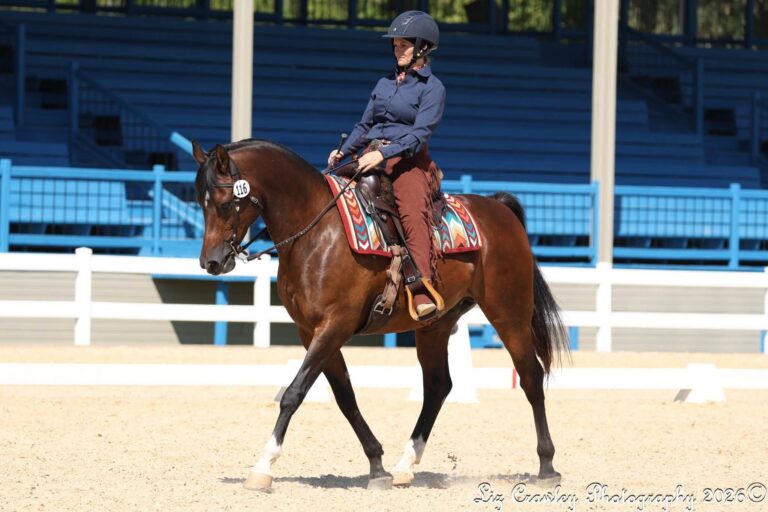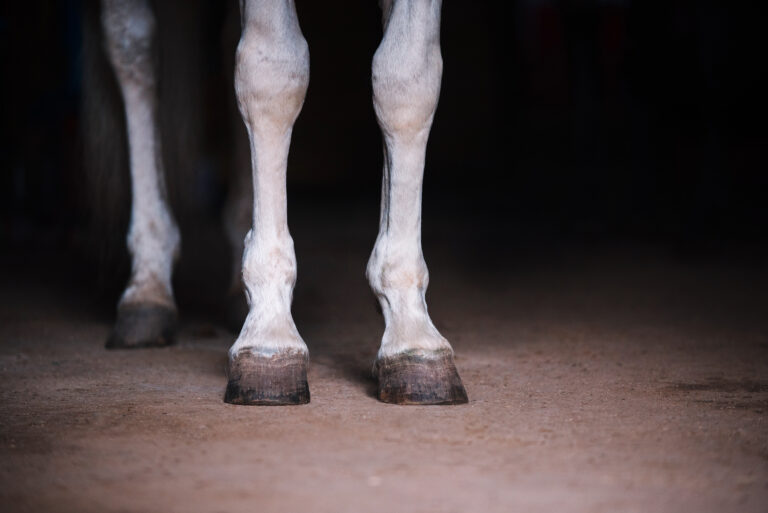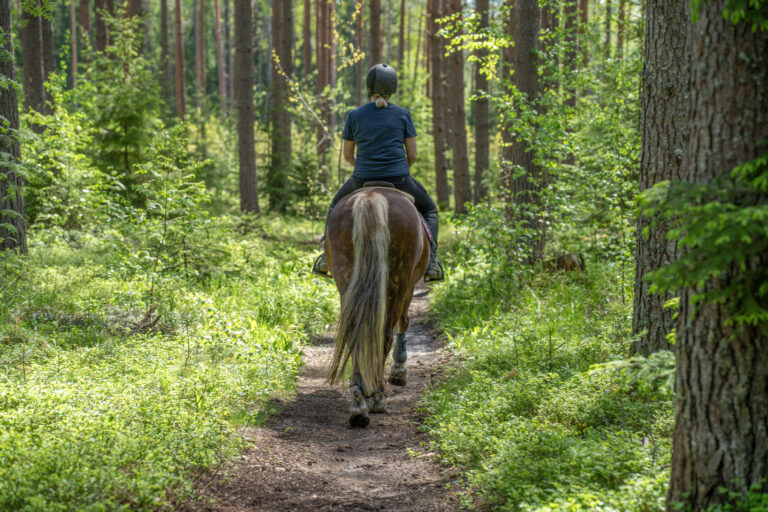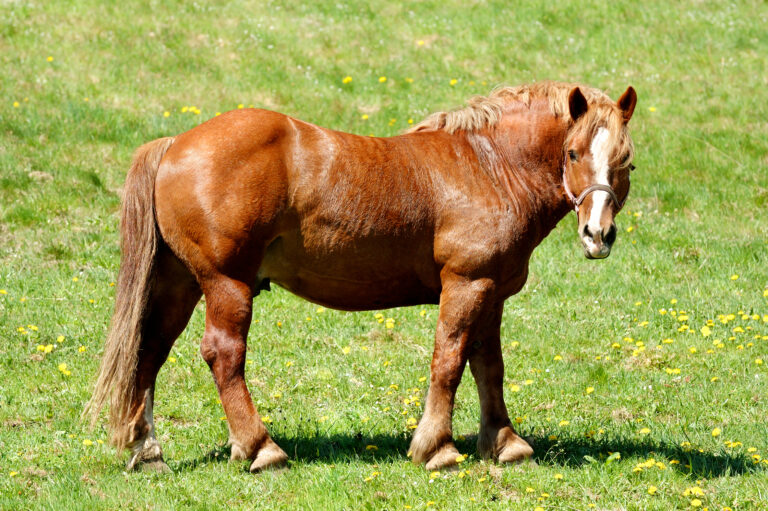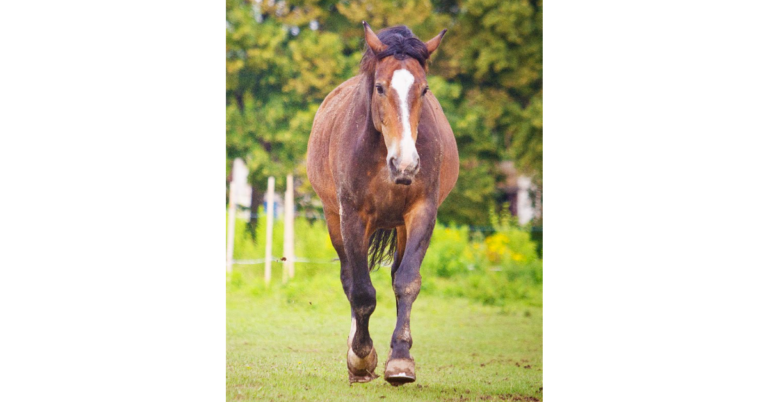
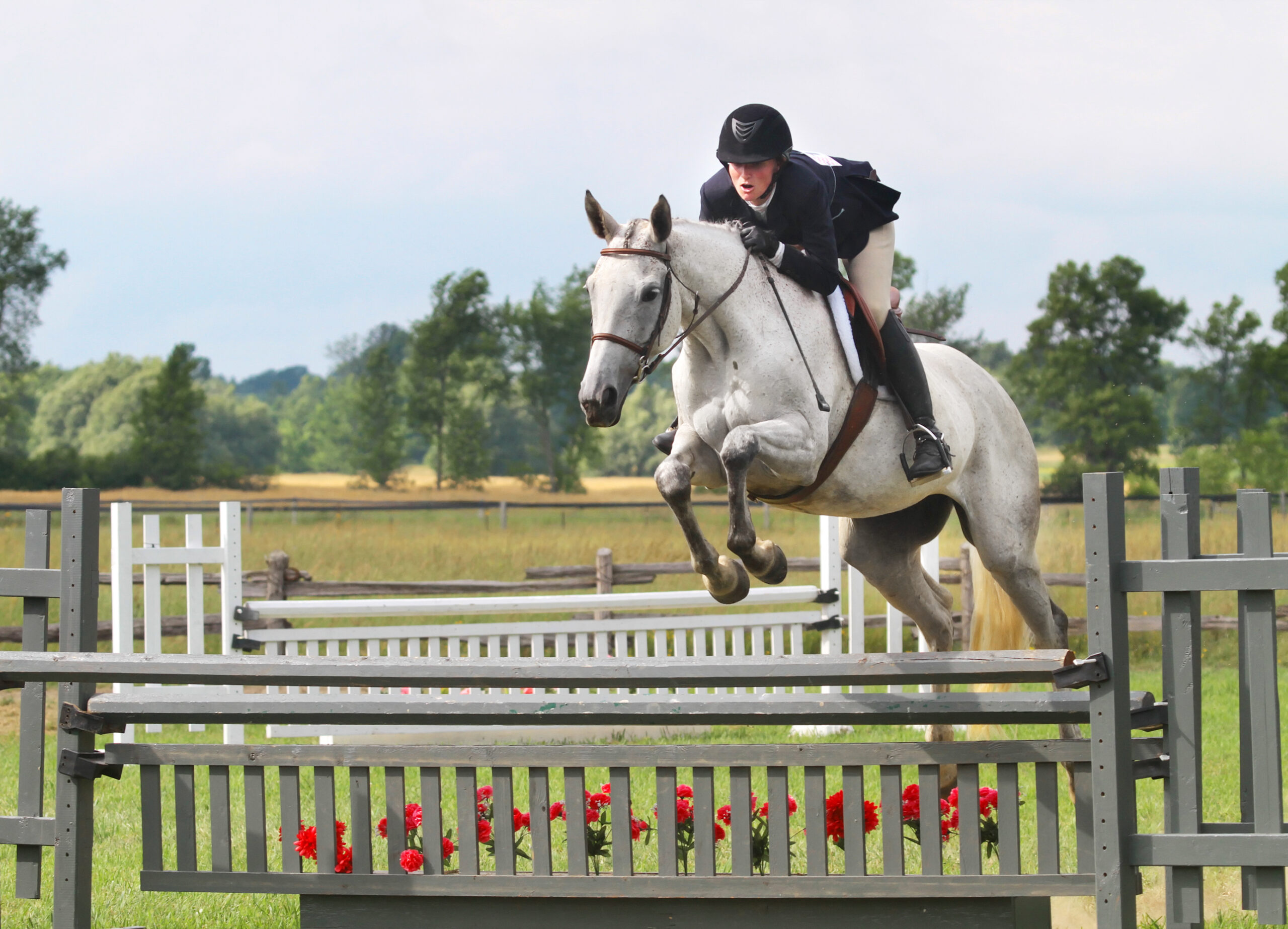
You’ve got a lovely competition horse in his golden years who, honestly, just seems to get better with age. Not only has he been receiving good scores, but he’s also looking—and apparently feeling—great. So, is it OK to keep showing him despite his advanced age?
Most likely yes, according to expert advice. While there are some important points to consider, such as the discipline’s demands, the intensity of the competition schedule, and the horse’s overall health and history, there’s no general age cutoff for horses to compete. It mostly comes down to the individual animal, says Roly Owers, MRCVS, CEO of World Horse Welfare, in Norfolk, U.K.
“What trumps here is that every horse is an individual,” says Owers. “Horses will tell you through their behavior how they’re managing and coping with what’s being asked of them. Equine behavior is such a valuable window into what a horse is feeling and thinking, and that’s what’s got to be our guide.”
Reading Your Horse’s Behavior
Knowing how to interpret behavior correctly requires knowledge of equine ethograms and pain scales, says Owers. No matter their age, horses that show signs of pain, resistance, or significant stress should undergo veterinary workups and be rested until the problem is resolved. Owners should also pay attention to horses’ reactions to being approached with a halter. If they used to approach you when you entered the field or wait patiently at the stall door and now turn the other way, for example, they’re probably not enjoying their work anymore. The horse could be experiencing pain that could resolve after diagnosis and treatment. Or, he might be telling you he’s ready to downgrade.
By contrast, says Owers, some horses clearly express that they’re not ready to step back from work. Horses that have spent much of their lives as athletes could become depressed and unthrifty if their working days come to a dramatic end and they no longer have a “job” to do. While many horses can be happy simply spending their time on good-quality pasture with a stable social group, some show signs of boredom or frustration from the lack of physical and mental stimulation.
Age-Related Considerations for Competing Horses
Even senior horses that appear “willing” to stay active sometimes can’t keep up with the physical demands of competition, Owers cautions. Older joints tend to become stiff and painful due to osteoarthritis, and “inflamm-aging” processes cause older horses to lose muscle tone. As such, owners should get confirmation from their veterinarians that their animals are still physically fit to compete.
Even if they are, aging horses gradually lose resistance against infectious diseases, especially respiratory ones, says Sanni Hansen, DVM, PhD, at the University of Copenhagen’s Department of Large Animal Sciences, in Tåstrup, Denmark. Not only are seniors more likely to pick up infections, but they’re also less responsive to vaccines. That means the competition environment involving exposure to many horses, combined with travel—also a source of immune suppression—could put older horses at increased risk of infectious diseases such as equine herpesvirus. As such, owners should take extra biosecurity precautions with their seniors and maintain lighter competition schedules.
Alternative Activities for Older Horses
Fortunately, there’s a lot of middle ground between competing and not competing, says Owers. Riders can choose to show their seniors at lower levels, compete less often, continue working at home without showing, leisure ride, switch to groundwork, or change the horse’s discipline to something they can still enjoy. Some former equine athletes, for example, do well in new careers as therapy horses.
“There are all sorts of different roles that horses can fulfill throughout their lives,” Owers says. “The idea of ‘retirement’ is absolutely not a binary thing.”
What matters most is finding the right level of activity that optimizes the welfare of each individual horse, he adds.
“Owners want their horses to have longevity of competition, but this should only be if that’s possible for them and if that’s what the horse wants to do,” says Owers. “It’s never a one-size-fits-all. But it must always be in the interest of equine welfare.”
Related Reading
- When Is a Horse Considered Old?
- My Senior Horse Podcast: Senior Exercise
- Planning Retirement for an Older Horse
Sign up for My Senior Horse’s FREE newsletter to get the latest information about equids 15 years and older delivered straight to your inbox!
-
View all posts
Christa Lesté-Lasserre is a science journalist specialising in animal health and behaviour, life sciences, and evolutionary processes. Her articles and stories have appeared in major science magazines and literary reviews in multiple languages across the globe. Based in France's greater Paris area, Christa holds an MA from the University of Mississippi and a BA from Baylor University in Texas, complemented by postgraduate work in life sciences at the University of Paris René Descartes.
A Pulitzer Center grantee for her coverage of the COVID-19 pandemic for Science magazine and recipient of American Horse Publications awards for her articles on equine behaviour, Christa focuses on shaping scientific studies into the stories they tell.