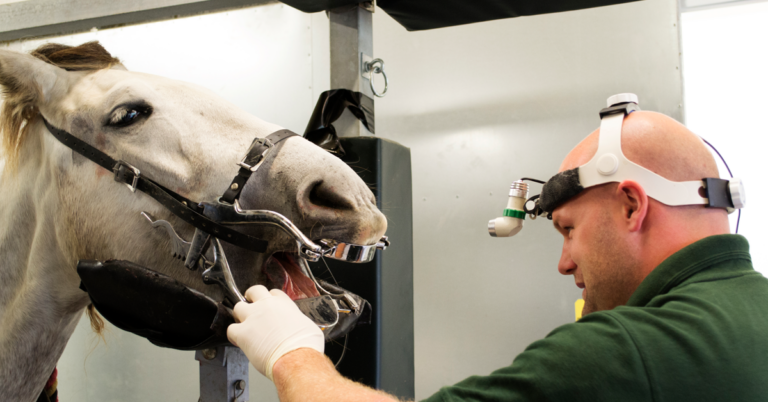
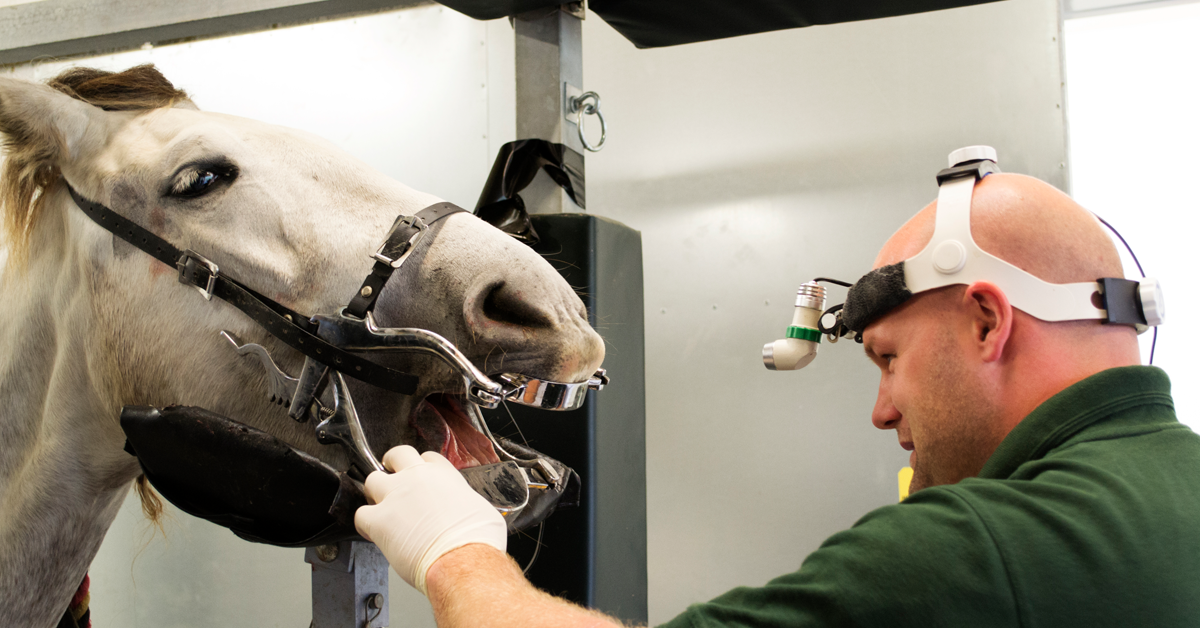
Researchers from multiple countries studied case reports of 710 tooth extractions in 442 horses.1 The clinical reports were from the Centre of Equine Health and Research at the University of Veterinary Medicine Vienna, Austria, between January 2018 and January 2022.
The study goal was to “describe clinical features, treatments, complication rates, and short-term outcomes of horses undergoing oral cheek tooth extraction and treatment of odontogenic sinusitis, and to compare findings between geriatric and non-geriatric horses.”
Researchers termed geriatric horses as those 20 years of age or older.
Why Tooth Removal?
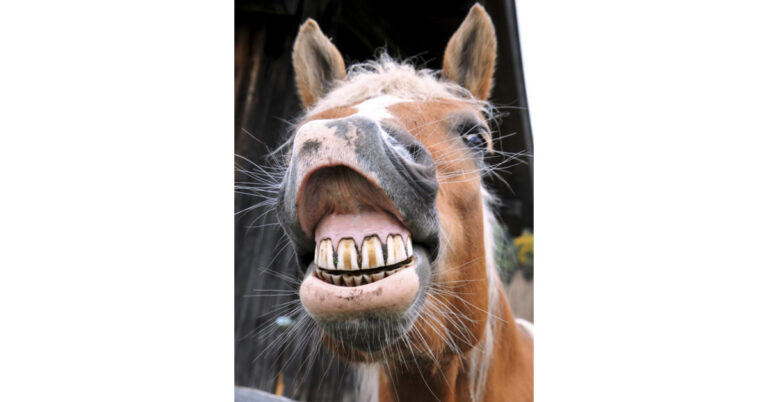
Horses have hypsodont cheek teeth. That means the teeth continue to erupt from the gum throughout the animal’s life. At some point, there is no more tooth to erupt.
Aged horses can suffer from various dental issues that might necessitate cheek tooth removal to alleviate pain and encourage better chewing.
Study Horses
This study included 154 geriatric horses (34.8%) and 288 non-geriatric horses (65.2%).
Most horses were warmbloods (240; 54.3%), followed by other large-breed horses (94; 21.3%), ponies (90; 20.4%), and draught horses (18; 4.1%).
Geldings comprised 248 (56.1%) of the study subjects, followed by mares (172; 38.9%) and stallions (22; 5.0%).
Researchers noted that 100 horses (22.6%) had sinus disorders associated with dental disease. Sinusitis was more frequently observed in non-geriatric horses in this study.
Study Results
Researchers said older horses did not experience higher complication rates or worse short-term outcomes compared to younger horses. This is despite the fact that geriatric horses required multiple tooth extractions more frequently than younger horses in the study.
They noted that older study horses less commonly required invasive extraction techniques and antibiotic treatment.
In this study, antibiotic administration and selection were based on veterinarian preference.
Researchers assumed that shorter roots and weakened periodontal ligaments resulted in a higher success rate of simple oral forceps extractions in geriatric horses. “Whereas non-geriatric horses more often required intraoral sectioning or access via buccotomy (through the cheek).
“The technically easier, faster, and less traumatic extractions in geriatric horses could have influenced clinicians’ decisions to reduce or omit antibiotic therapy in these cases,” they said.
Complications of Surgery
Researchers observed that the overall short-term complication rate in this study was higher than previously reported: 29.6% of cases had complications vs. 13.5%–18.4% reported in previous studies.
“This likely reflects the inclusion of horses with odontogenic sinusitis and their treatment contributing to a higher complication rate,” noted the researchers.
Duration of hospitalization and occurrence of complications did not differ between age groups, they said.
Final Words
As a summary, the researchers said geriatric horses in this study often required multiple teeth to be extracted compared to younger horses, often due to periodontal disease.
Complication rates did not differ between age groups, and short-term outcomes were favorable in geriatric horses.
Reference
- Cheek tooth extraction in geriatric versus non-geriatric horses. Elias Mair, Omid Nekouei, Patricia Trummer-Schug, Rhea Haralambus, Nora Mareike Biermann. Equine Veterinary Journal. May 2026.
Related Content
- My Senior Horse Podcast: Tooth Removal. Dr. Jack Easley with Kimberly S. Brown. MySeniorHorse.com
- Understanding EOTRH: A Common Dental Disease in Senior Horses. Kimberly S. Brown with Dr. Jack Easley. MySeniorHorse.com
- My Senior Horse Podcast: Dental Care. Kimberly S. Brown with Dr. Jack Easley. MySeniorHorse.com
- Tips on Feeding Older Horses with Dental Issues. Dr. Pat Harris. MySeniorHorse.com
Sign up for My Senior Horse’s FREE newsletter to get the latest information about equids 15 years and older delivered straight to your inbox!