Sue Dyson, MA, Vet MB, PhD, DEO

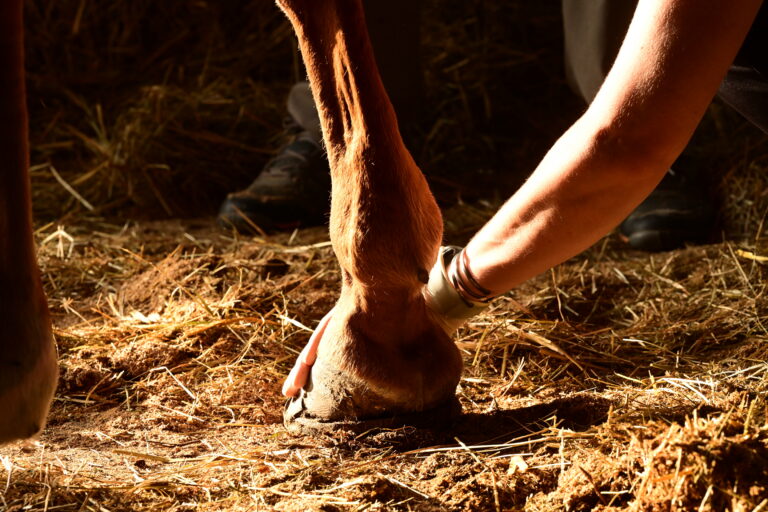
observe and palpate horse limb
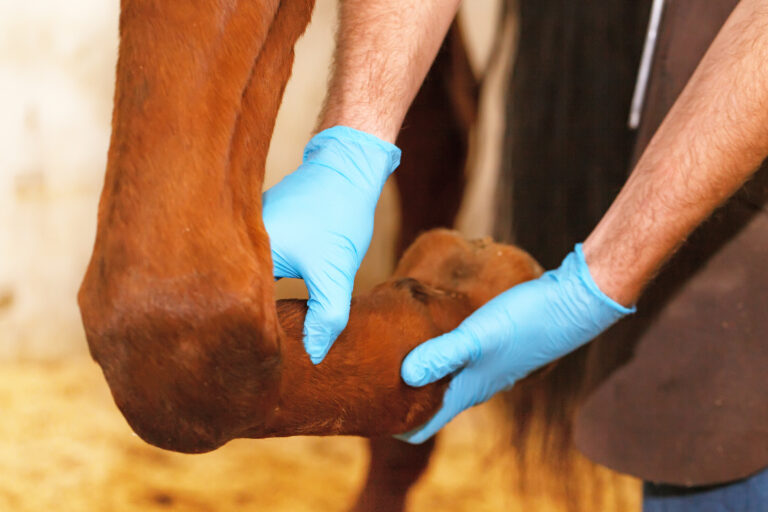
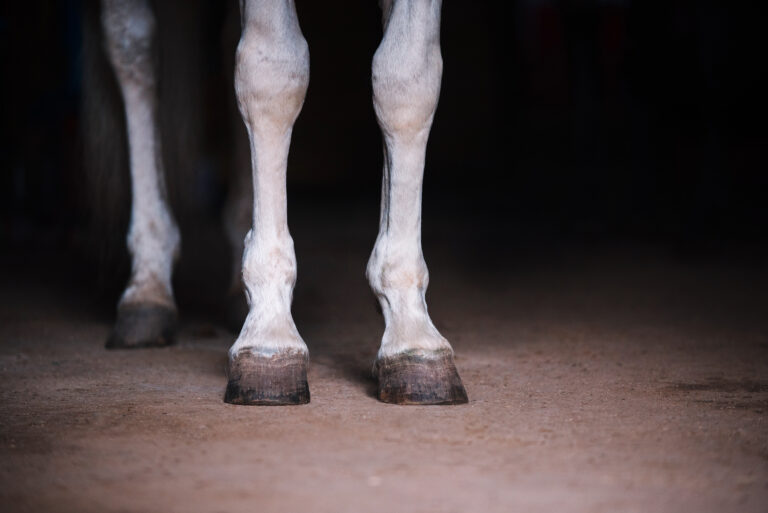
Observation and Palpation of an Older Horse’s Limbs
Owners of senior equids should learn more about observing their animals and understanding what they see and feel, especially in horse limbs.
The horse's ears against the sky
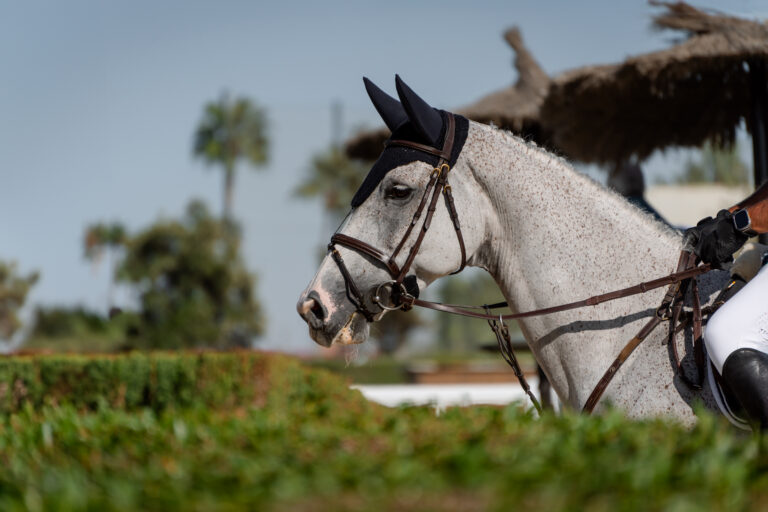
Horses and the Science of Hearing
Horses hear different frequencies than humans, and they use their ears for both hearing and communication.
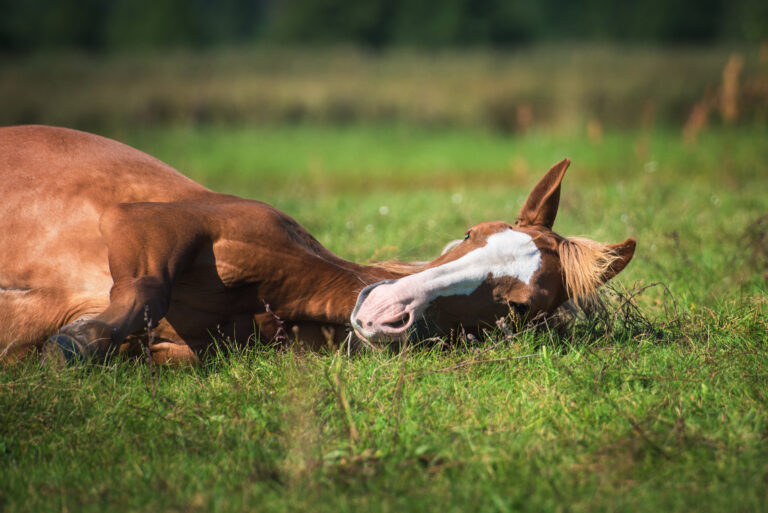
Red horse sleeping on the grass in summer
Horses and the Science of Sleep
Learn more about the importance of sleep for optimal equine welfare in this video from the producers of Horses and the Science of Harmony.
Horses and the Science of Contentment
Dr. Sue Dyson says it is important to know your horse and be attentive to any slight changes in behavior.
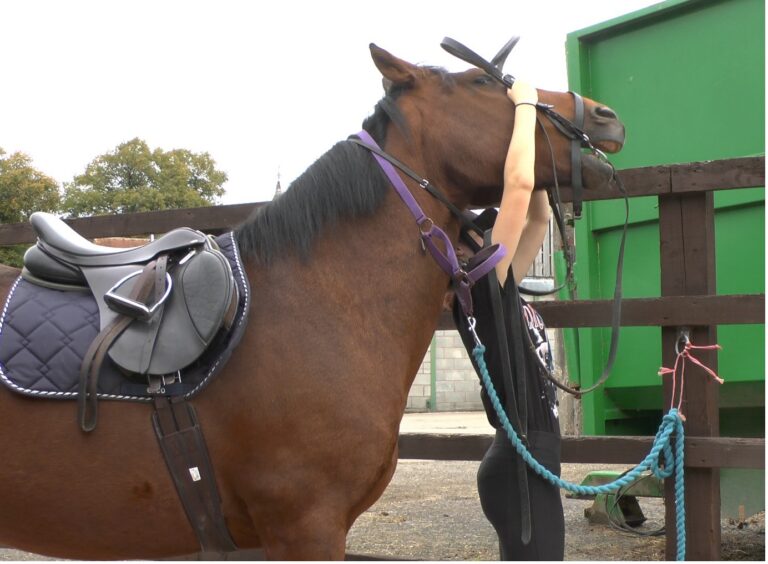
behavior horse bridle tacking up
Horse Behavior During Tacking and Mounting
If your horse is exhibiting an altered behavior when tacking and mounting, it could be a sign of anticipation of discomfort during ridden exercise.
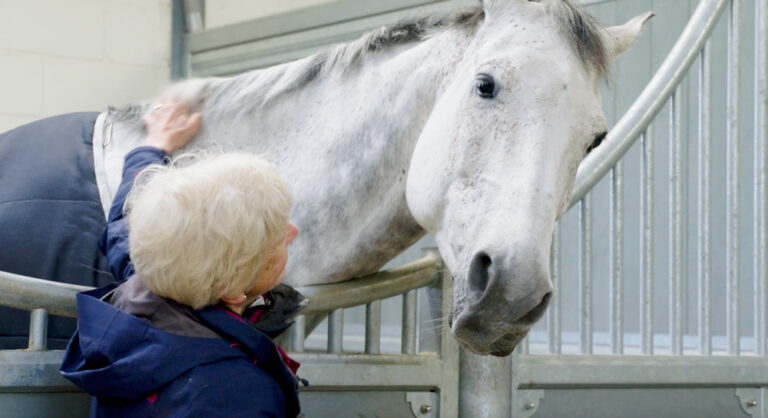
scratching base of withers Dr. Sue Dyson
'Feel-Good' Horse Touch, Such As Scratching
Use stroking, scratching, and massage for bonding, inducing relaxation, and potentially a ‘feel good’  factor.
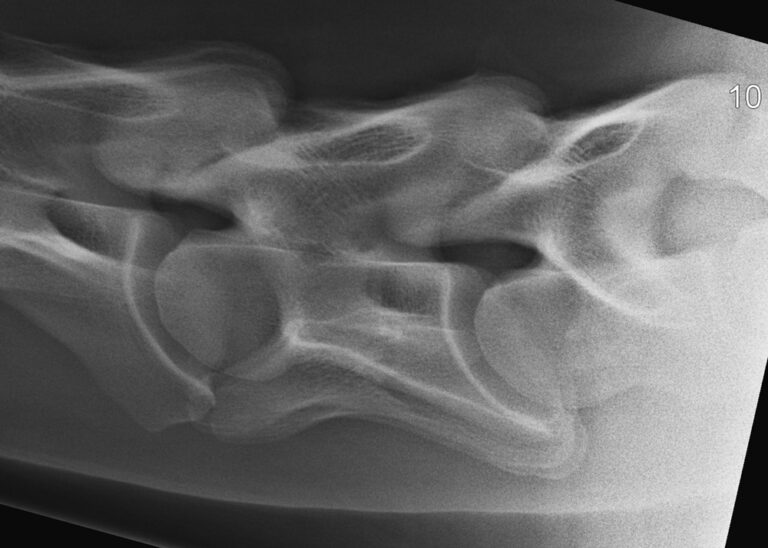
vertebrae
Radiographic Abnormalities of Equine Neck Vertebrae
Dr. Sue Dyson discusses the importance of interpreting neck radiographs appropriately to determine the likely clinical significance of vertebrae abnormalities.
horse vertebrae
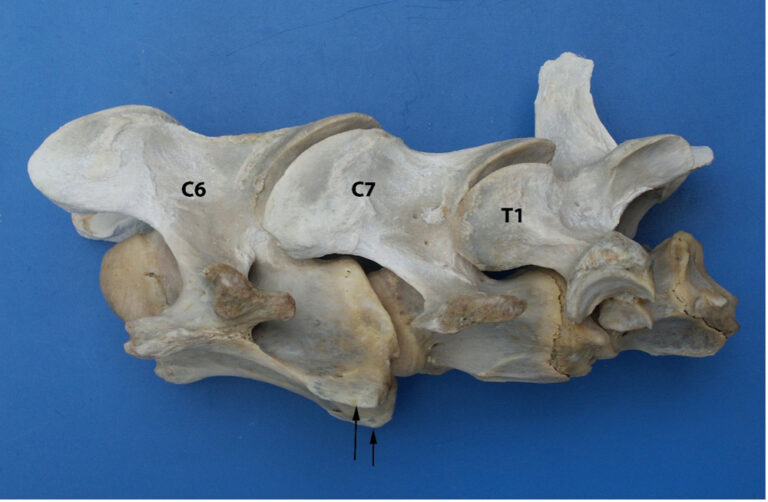
Are Horses Born with Neck Vertebrae Variants Prone to Health Issues?
Be wary of associating variations in the shape of the sixth and seventh cervical vertebrae with health issues in horses.
equine neck muscle wastage
Clinical Features of Primary Neck Problems in Horses
Can abnormalities in a horse's neck vertebrae cause problems? Yes. Do those abnormalities always cause issues? No!
lame horse behavior
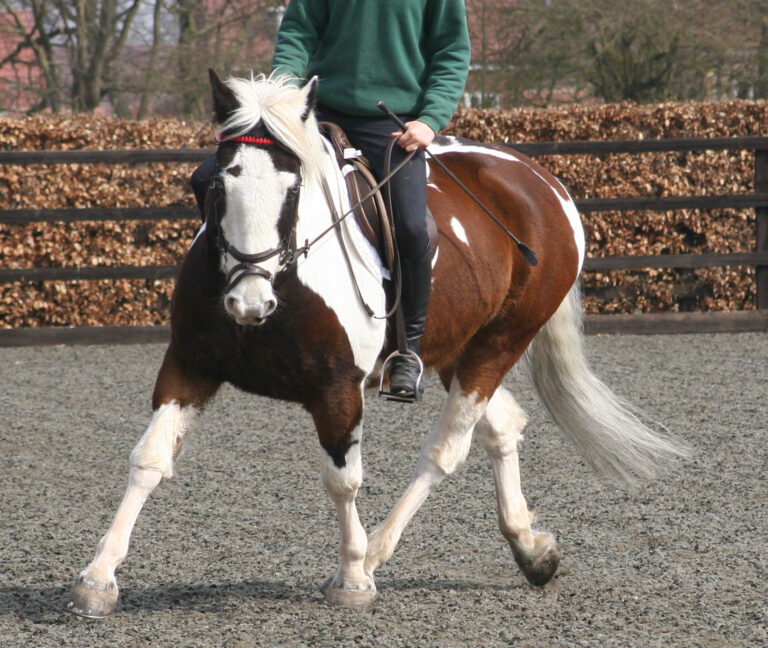
How an Uncomfortable Horse Might Feel to a Rider
Dr. Sue Dyson explains how various behaviors a rider feels can be translated into what area might be painful to a horse.
behavior horses with flag tail
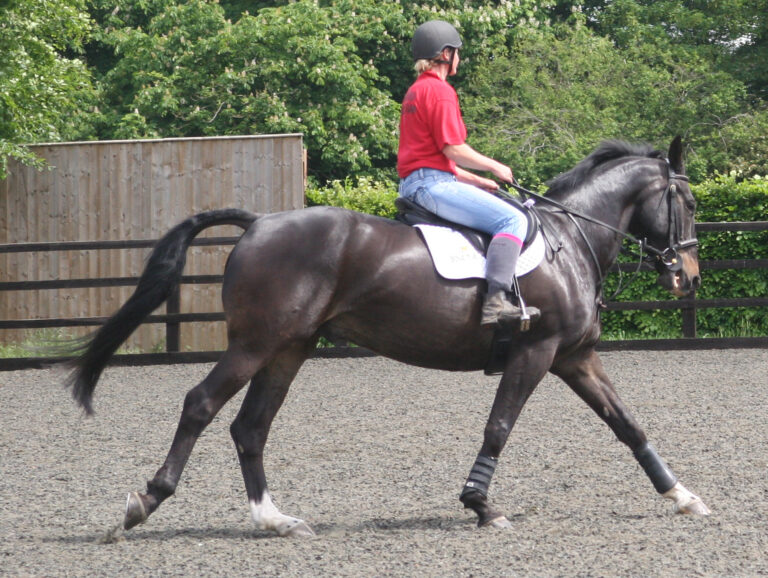
Additional Behavior and Musculoskeletal Pain Signs in Ridden Horses
Dr. Sue Dyson covers some additional equine behaviors that might be manifestations of musculoskeletal pain in ridden horses.
behavior ears back with intense stare
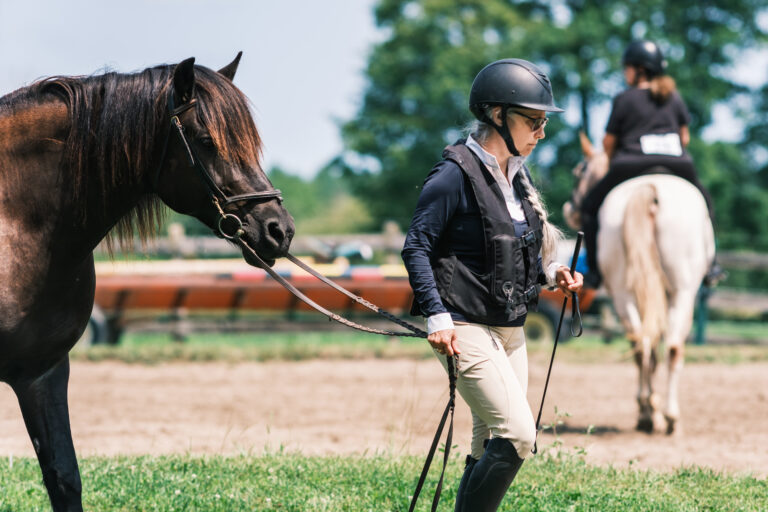
Ridden Horse Performance Checklist: Behaviors in Ridden Horses that Might Signify Discomfort
There is substantial evidence that riders and trainers are poor at recognising lameness. Often poor performance or a failure to progress in training is blamed on either the horse or the rider. Instead,...
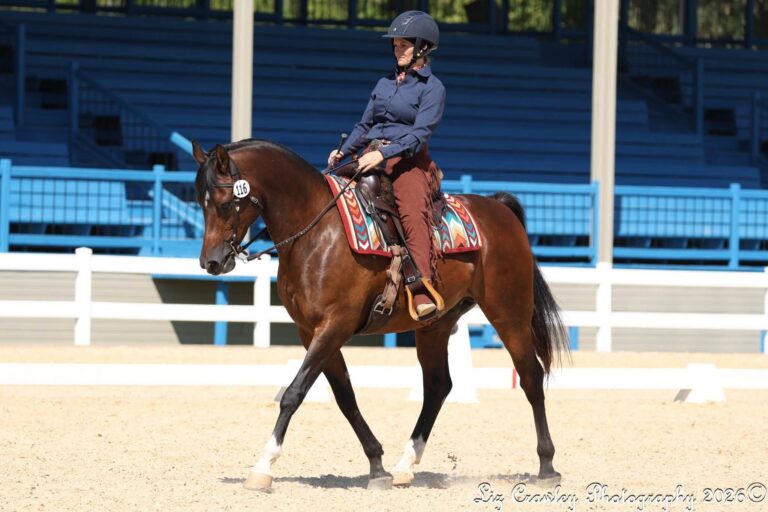
comfortable horse ridden
How a Comfortable Horse Should Feel During Ridden Exercise Part 2
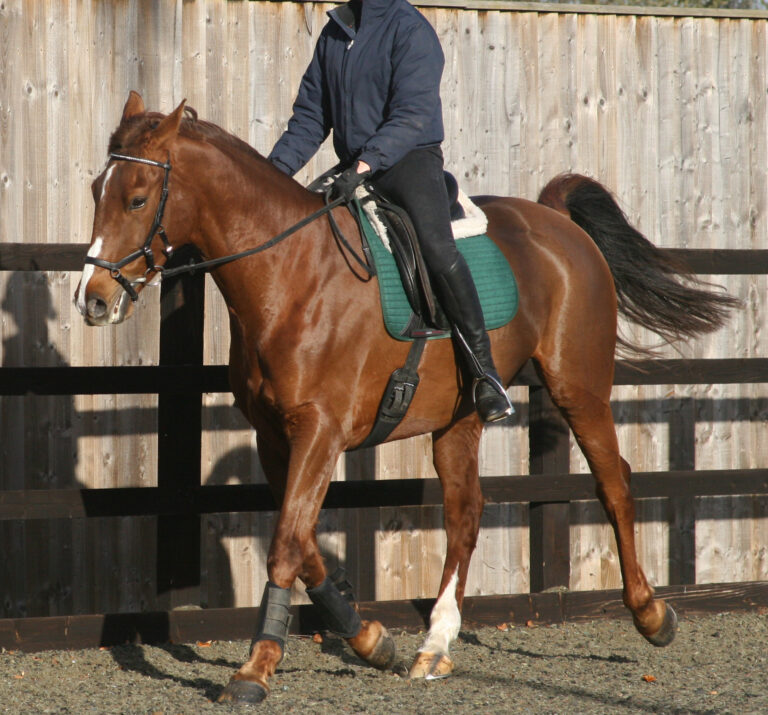
An appropriately trained, non-lame, comfortable horse with well-fitting tack should be responsive to a rider’s cues when in an arena. That is true whether the horse is on the left or the right rein, and...

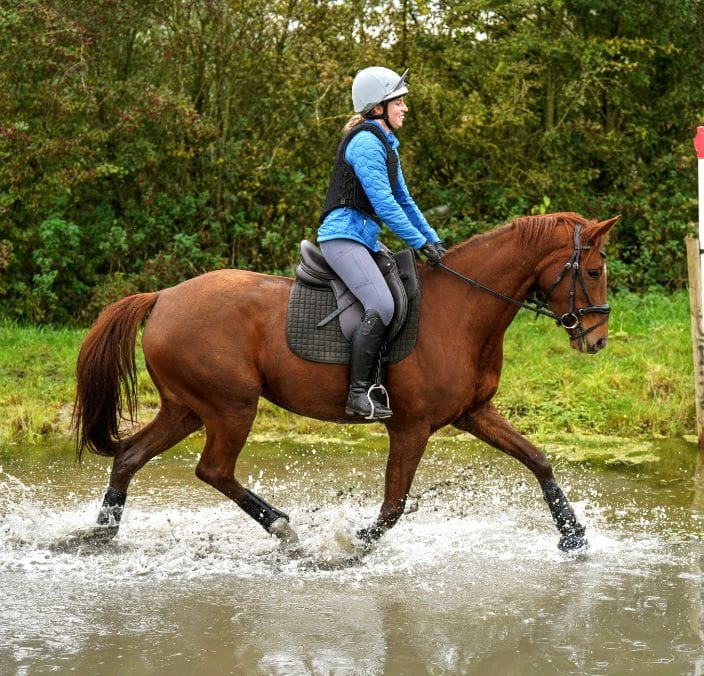
comfortable horse trotting water
How a Comfortable Horse Should Appear During Ridden Exercise Part 1
There are differences in behaviour between horses that are comfortable during ridden exercise and those that are not.
READER FAVORITES
Eating hay in the snow
Understanding Horses’ 3 Fs: Friends, Forage, and Freedom
aged gray donkey how long horse donkey mule live
How Long Can a Horse, Pony, Donkey, or Mule Live?
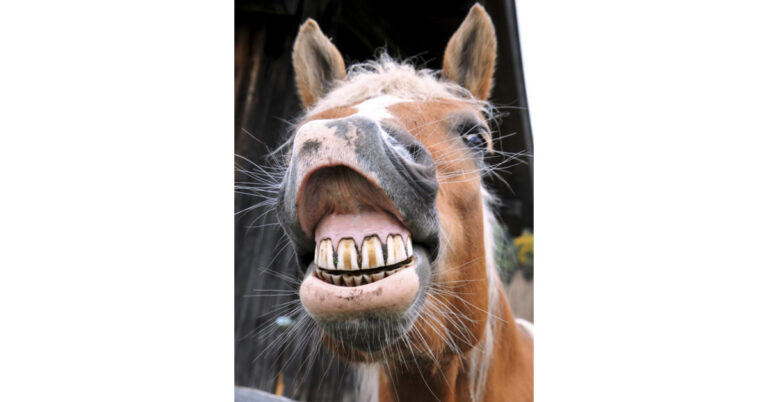
horse big smile lots of teeth
Horse Teeth by Age
horse digestive system diagram
Horse Digestive System Diagram
POLLS & QUIZZES
FUN STUFF
senior horse graying face
Senior Horse Learning and Retention Research
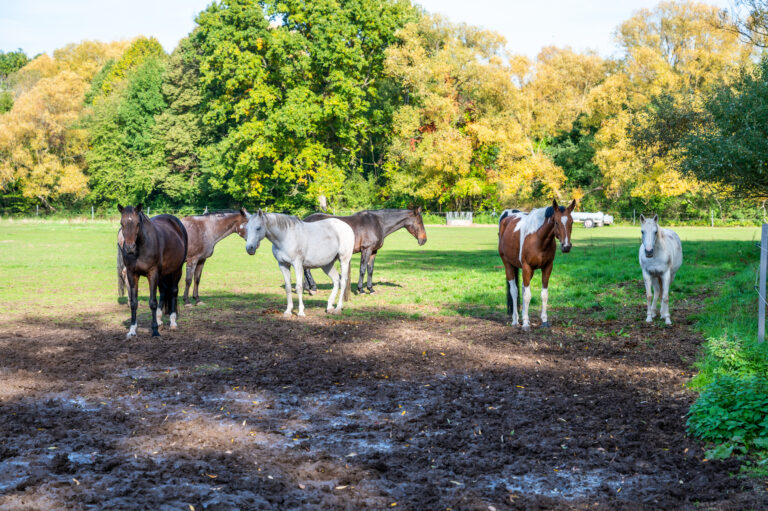
senior horse herd
My Senior Horse Podcast: Managing Senior Herds Part 2
donkeys in field
Donkey Domestication, Physiology, and Disposition
managing senior horse in herds
My Senior Horse Podcast: Managing Senior Herds Part 1
NEWSLETTER

Sign up here for the My Senior Horse Newsletter. Get updates and information to your inbox once a week.

"*" indicates required fields

This field is for validation purposes and should be left unchanged.
Name*
Country*