
A global team of researchers collaborated to investigate risk factors for strangulating lipoma obstruction (SLO) in horses. Strangulating lipomas can cause colic that usually is deadly without surgical intervention.
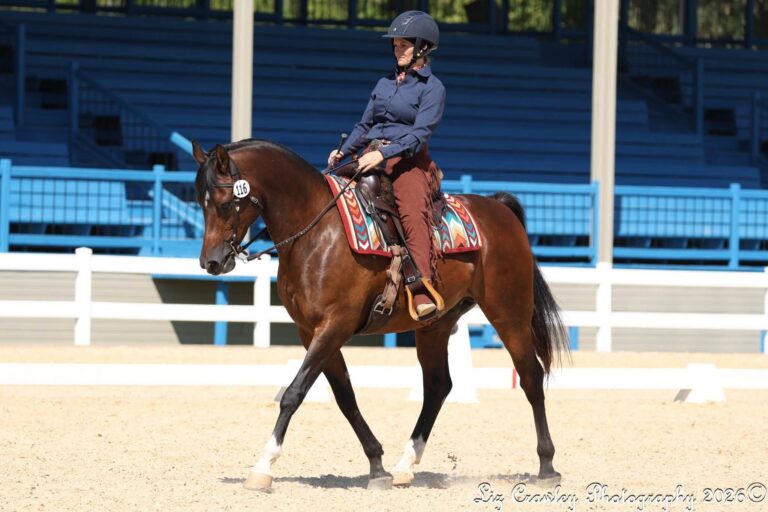
Older horses are at increased risk of strangulating lipoma obstruction, according to several research studies. SLO cases had a mean age of 16–19 years. Geldings have double the likelihood of SLO compared to mares, based on previous research. Research also found certain breeds are at increased risk of strangulating lipomas, including ponies, Saddlebreds, Arabians, and American Quarter Horses.
Research on Stangulating Lipoma Colic
Researchers in the U.K. and U.S. conducted a prospective, multicenter study between January 2022 and May 2024. The study included horses that had strangulating lipomas confirmed by exploratory laparotomy at the four participating hospitals. Researchers randomly selected three controls per case, matched on clinic and time.
Research Results
In addition to the risk factors noted above (age and sex), the researchers found strangulating lipomas were “more likely in horses with a prior history of laminitis or increased stabling in the previous four weeks.”
They also found management strategies to maintain optimal weight and address equine metabolic syndrome were protective.
The researchers noted, “Factors that predispose to lipoma formation, such as increased adiposity, would appear to be plausible potential risk factors. However, this is an area in which limited investigation has been undertaken.
“Increased weight and body condition score (BCS) have been suggested to be risk factors for SLO; however, this was not confirmed in a retrospective study.
“In addition, a cadaver study found that both insulin dysregulation (measured by serum glucose and insulin) and histological evidence of pituitary hyperplasia were associated with the presence of mesenteric lipomata.
“Therefore, investigation of markers of adiposity and endocrine disease, including equine metabolic syndrome (EMS), on the risk of SLO is justified,” the researchers concluded.
Reference
Risk factors for equine strangulating lipoma colic: An international, case–control study. Equine Veterinary Journal 2025. Alexandra Gillen, Diana Hassel, Sam Gonzalez, Victoria Savage, Anje Bauck, David Freeman, Debra C. Archer.
Further Content
- Characteristics of Equine Metabolic Syndrome. Dr. Simon Bailey. MySeniorHorse.com
- Insulin Dysregulation and Cresty Neck Score. MySeniorHorse.com
- Diagnosis and Management of Equine Metabolic Syndrome. Kimberly S. Brown. MySeniorHorse.com
Sign up for My Senior Horse’s FREE newsletter to get the latest information about equids 15 years and older delivered straight to your inbox!