PPID

11 PPID progression
Monitoring PPID Progression in Senior Horses
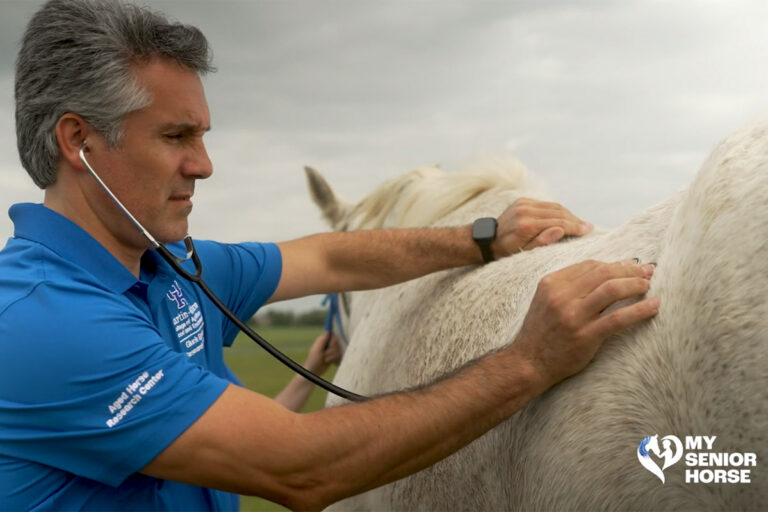
Paying attention to clinical signs and hormone levels is key to monitoring a horse diagnosed with PPID and taking steps to manage the disease.
8 seasonal testing considerations
Seasonal Considerations When Testing Horses for PPID
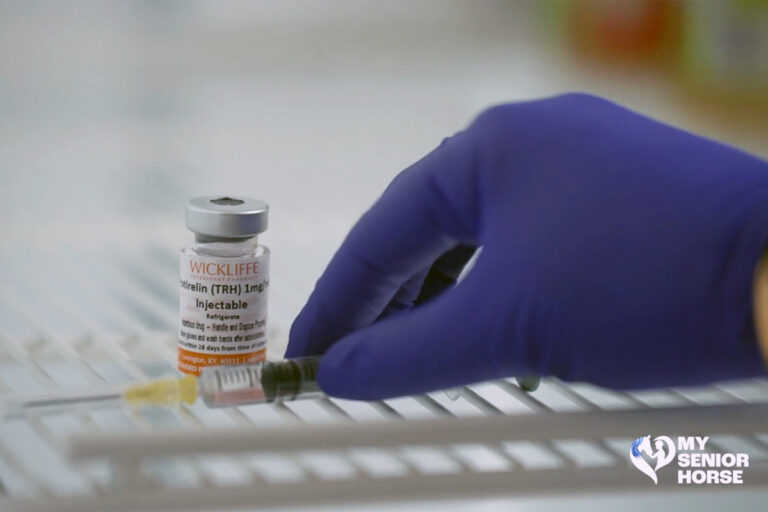
Basal ACTH and TRH stimulation test results can vary seasonally, which can lead to false positive results when testing horses for PPID.
7 PPID early signs
What Are the Early Signs of PPID in Horses?
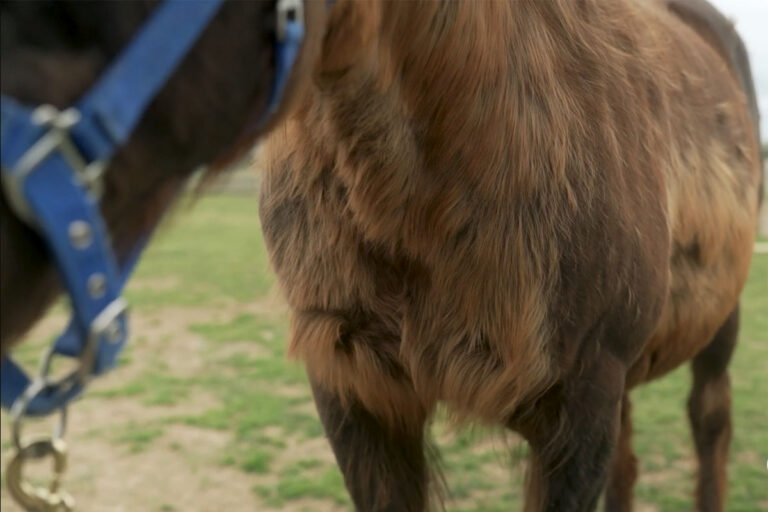
Owners of aging horses should familiarize themselves with the early signs of PPID, which can develop gradually and resemble other conditions.
Screenshot 2026-07-27 at 10.39
Understanding PPID, EMS, and Insulin Dysregulation in Horses
Dr. Edd Knowles describes the key differences between these three endocrine disorders that can develop in older horses.
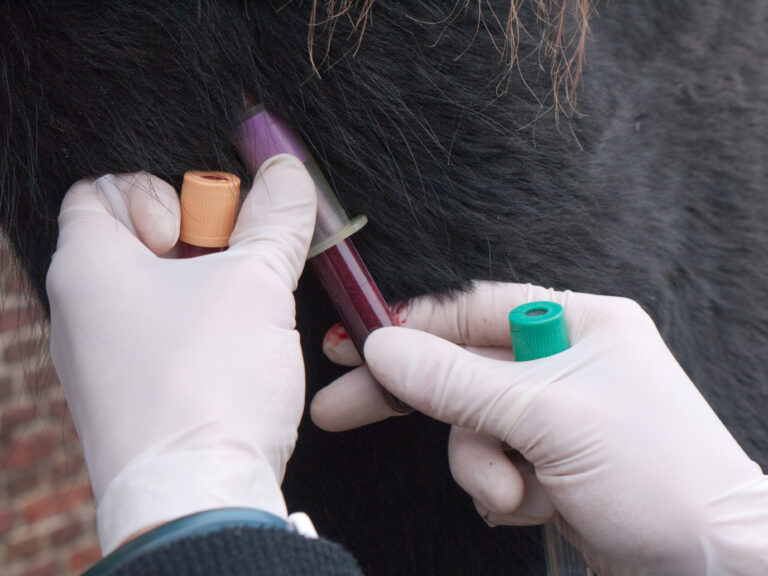
Veterinarian takes blood from a Friesian horse from the neck vein with vacutainer blood tubes
The Importance of Routine Blood Testing for Senior Horses
A senior horse blood profile can help owners and veterinarians detect and manage endocrine disorders, inflammation, metabolic disease, and organ dysfunction early.
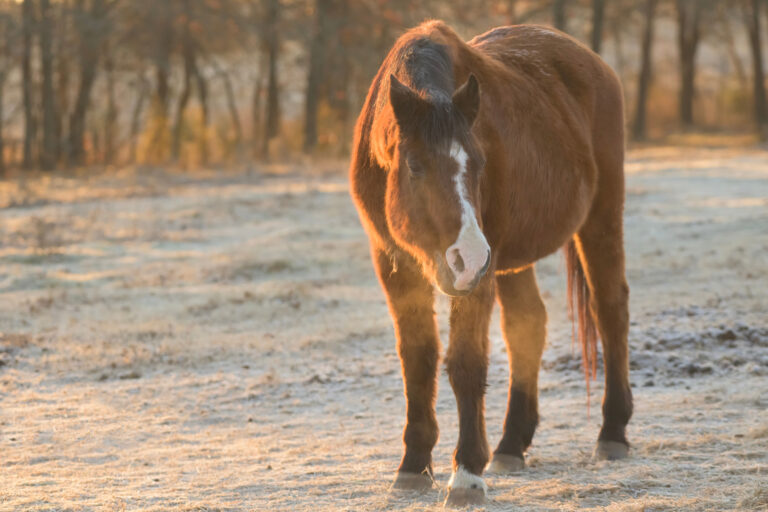
A very old Arabian horse in snowy pasture on a cold winter morning, with sunrise lighting up his breath in the air
Medical Events and Life Expectancy in PPID Horses
Researchers review what a PPID diagnosis could mean for older horses’ long-term health.
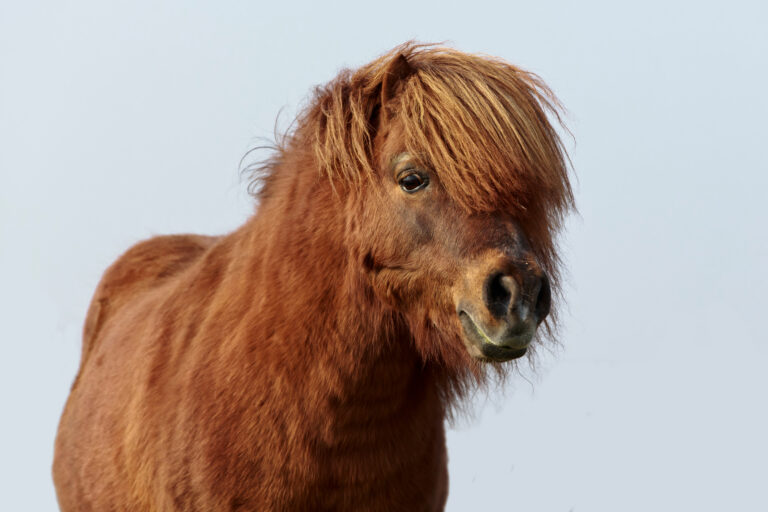
Shetlandhengst
Factors That Can Affect a Horse’s ACTH Test Results
Measuring ACTH is the most common test for diagnosing and monitoring horses with pituitary pars intermedia dysfunction (PPID).
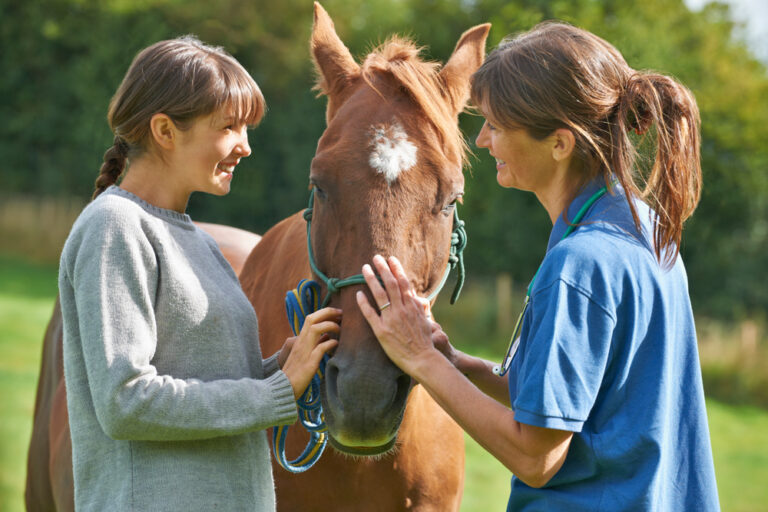
annual wellness exam vet horse owner
My Senior Horse Podcast: Annual Wellness Exam
In this episide, Dr. Toby Pinn-Woodcock helps horse owners understand what to expect at their senior horse's annual wellness exam.
Horse closeup portrait retired aged to paddock pastures
Understanding the Aging Equine Immune System 
Horses experience less profound immune system changes than humans as they get older. However, researchers still have much to learn about equine aging.
Dr. Rachel Lemcke presents on PPID and insulin dysregulation ID
Horse Breeds, PPID, and Insulin Dysregulation
Some horse breeds are prone to endocrine diseases, specifically pituitary pars intermedia dysfunction (PPID) and insulin dysregulation (ID).
Nicolas C. Galinelli, DVM, PhD candidate
Nicolas C. Galinelli, DVM, PhD Candidate 
Nicolas C. Galinelli is a DVM and PhD candidate whose main professional interests are equine endocrinology, medicine, and nutrition.
Simon Bailey, BVMS, PhD, FHEA, DipECVPT, FRCVS
Simon Bailey, BVMS, PhD, FHEA, DECVPT, FRCVS
Simon Bailey, BVMS, PhD, FHEA, DECVPT, FRCVS, is a professor and deputy head of school at the Melbourne Veterinary School.
READER FAVORITES
Ombre Liz Crawley Photography2
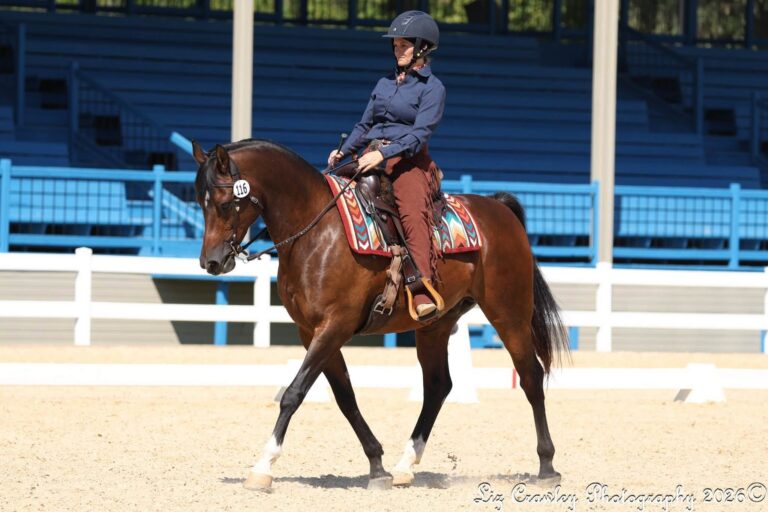
Older, Wiser, and Winning: Meet Senior Arabian Ombre
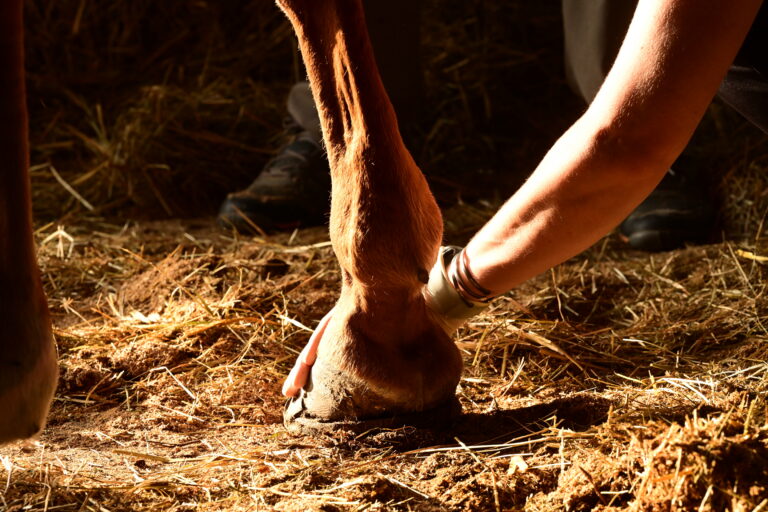
Horse owner touching her horse's hoof, potentially to monitor for signs of laminitis.
Understanding the Three Stages of Laminitis in Horses
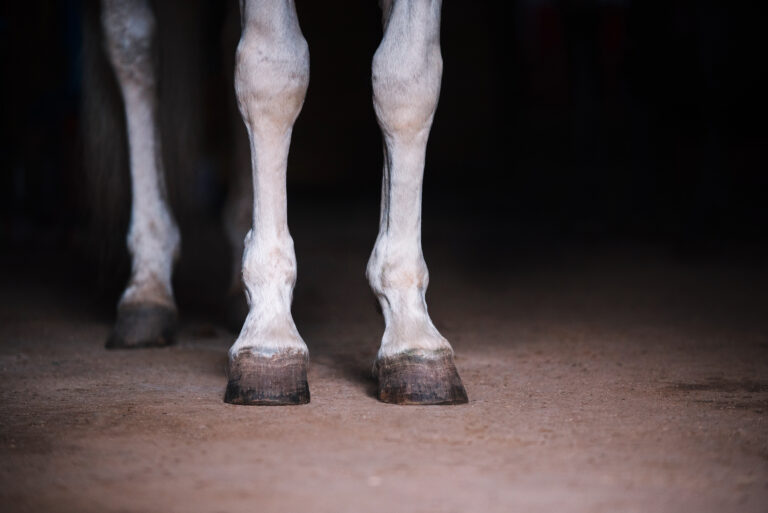
White horse legs close up
Anatomy of the Equine Carpus and Metacarpus
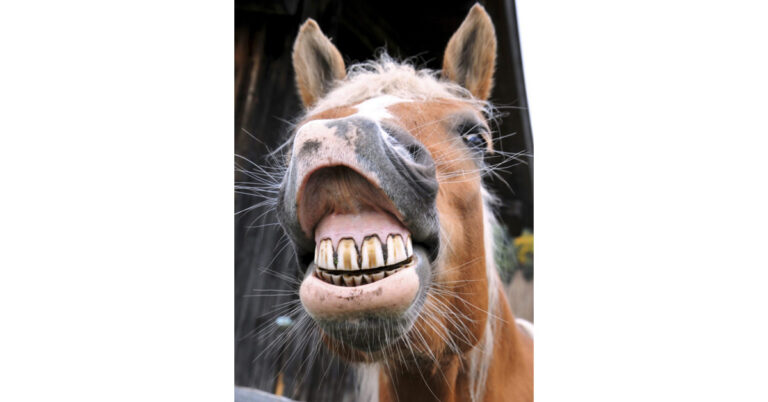
Horse teeth
Horse Teeth by Age
POLLS & QUIZZES
FUN STUFF
senior safety Tinsel Anderson Sling Redwings
My Senior Horse Podcast: Safety Considerations for Senior Horses
9 managing NSC levels
Managing NSC Levels in Senior Horses
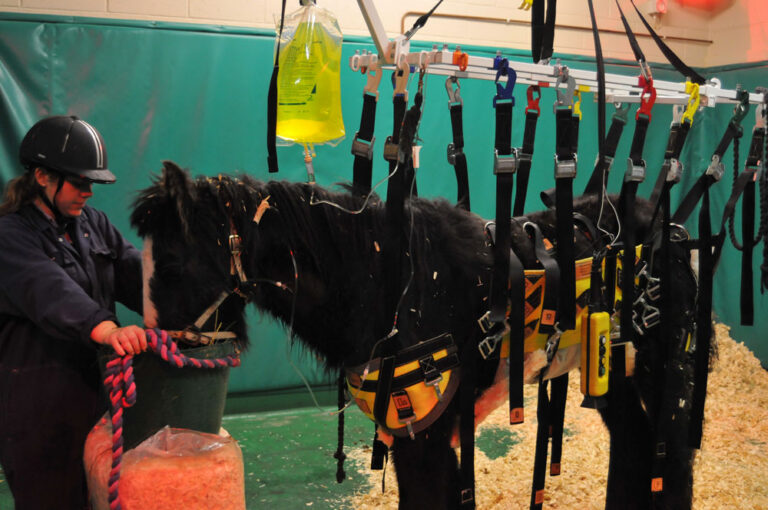
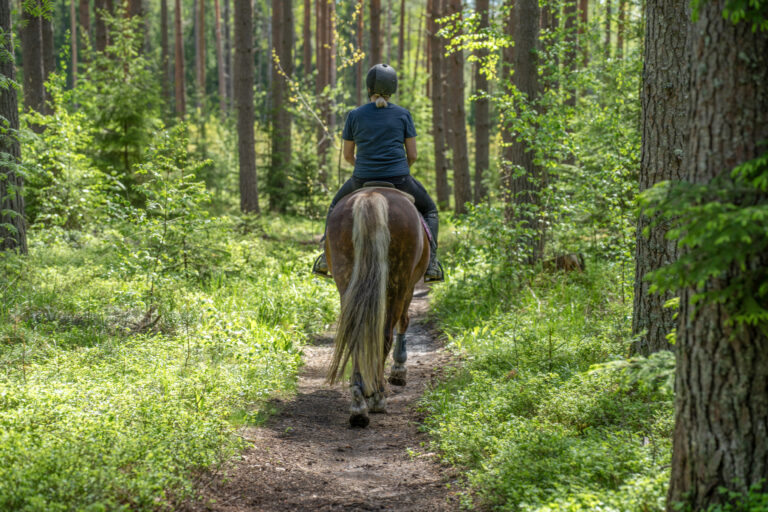
retired horse on trail ride
My Senior Horse Podcast: When Is It Time for a Senior Horse to Slow Down or Retire?
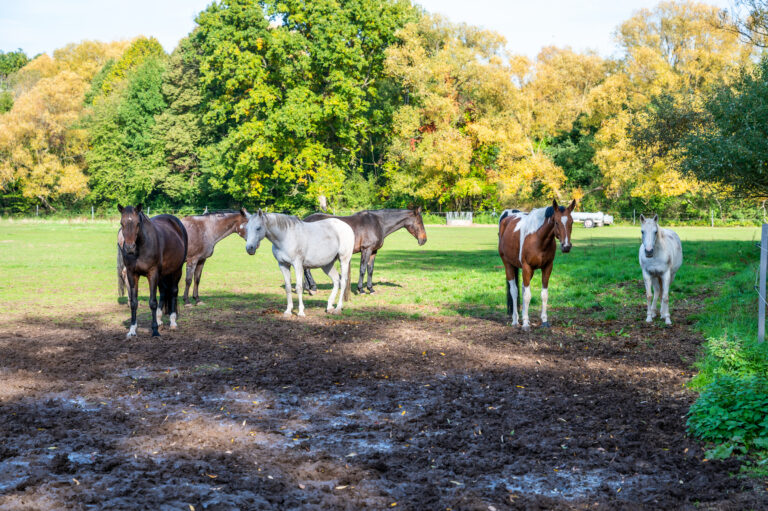
aged horses herd of senior equids
New Research Reveals Age-Related Differences in Movement Among Senior Horses
NEWSLETTER

Sign up here for the My Senior Horse Newsletter. Get updates and information to your inbox once a week.

"*" indicates required fields
This field is for validation purposes and should be left unchanged.
Name*
Country*